
Pharmacology
Phenytoin Pharmacology: Pharmacokinetics, Mechanism of Action, Therapeutic Uses and Adverse Effects
Source presentation · 3 min read
Edits save on this browser. Download a copy for your records.
Antiepileptic drugs classification
| First generation (Classic) drugs | Second generation (newer) drugs |
|---|---|
| Phenytoin | Vigabatrin |
| Carbamazepine | Lamotrigine |
| Valproic acid | Topiramate |
| Ethosuximide | Levetiracetam |
| Phenobarbital | Gabapentin & pregabalin |
| Benzodiazepines | Tiagabine |
Overview
- Aka Diphenyl Hydantoin, famous trade name: Dilantin
- It is a first generation antiepileptic Drug that is used in management of seizures and epilepsy
- Most famous and the oldest nonsedating antiepileptic drug
- Phenytoin first synthesized by German chemist Heinrich Biltz in 1908
Pharmacokinetics
- Phenytoin is available is oral formula and IV formula , “phenytoin” is not given intravenously because it may lead to purple glove syndrome which purple discoloration accompanied by pain and edema distal to the site of injection
- Fos phenytoin is a pro drug to phenytoin that can be given IV with less risk for purple glove syndrome because it is more water soluble
- Absorption of the oral formulas is complete
- Distribution: phenytoin is highly bound to plasma proteins by 90% and prone to displacement by other drugs that compete for the binding to the plasma proteins (e.g. valproic acid, and warfarin), and by pathologies where there is low serum albumin => displacement lead to toxicity
- Phenytoin is metabolized by CYP2C9 & CYP2C19 to inactive metabolite excreted in urine, at therapeutic doses it follows zero order kinetics because the liver reach the maximum capacity to metabolize the drug
- Therapeutic window is between 10 and 20 mcg/ml (narrow) and Half life is around 24 hours
- Phenytoin is CYP inducer, and decrease the blood levels of many other antiepileptic drugs
Mechanism of action
- Blocks voltage gated Na+ channels in the brain and heart
- It is classified as antiarrhythmic drug class 1
Therapeutic uses
- Used in prevention of focal onset seizures, generalized onset Tonic clonic seizures and in treatment of status epilepticus
- Phenytoin may worsen other types of seizure like absence seizures, juvenile myoclonic seizures and Dravet’s epilepsy
- Previously it was used as antiarrhythmic drug and classified as Class I antiarrhythmic drugs
Adverse effects
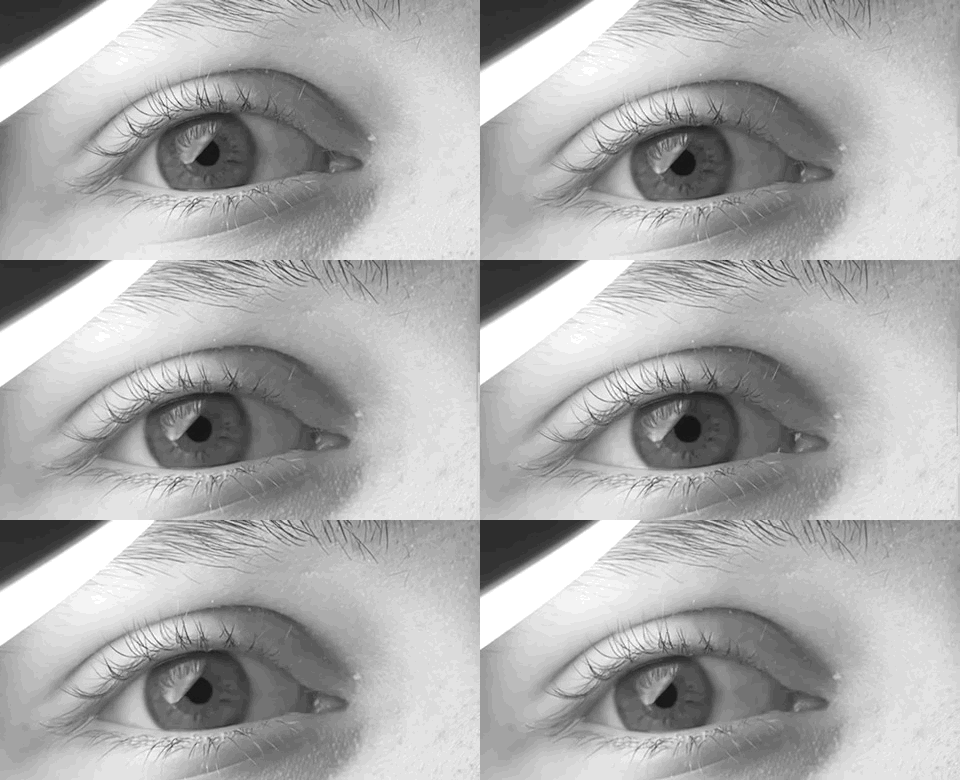
- CNS: nystagmus
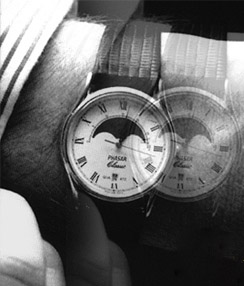
- CNS: diplopia
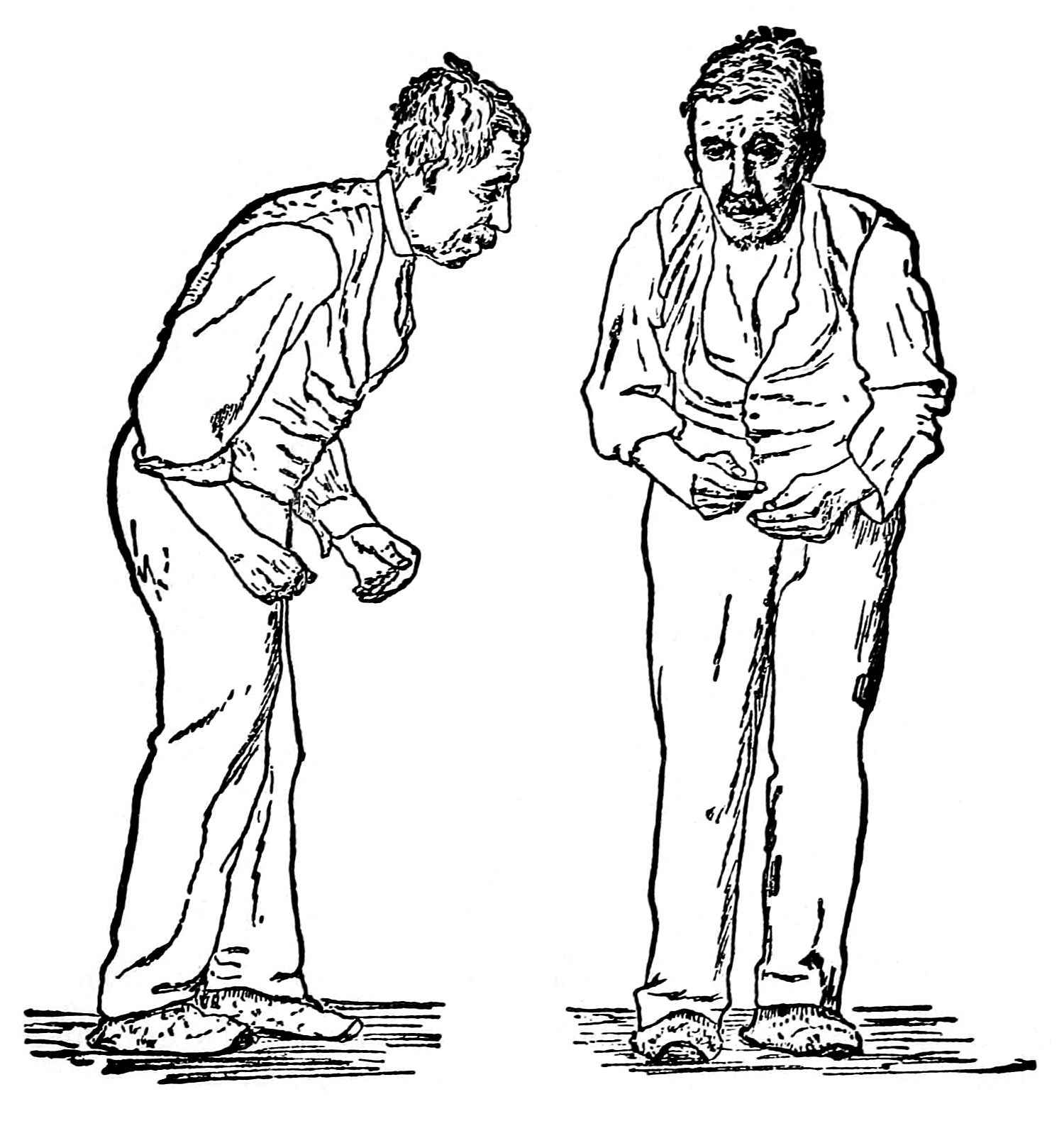
- CNS: ataxia
- Liver: microsomal enzyme induction
- Blood megaloblastic anemia (due to increase folic acid metabolism)
- Gingival hyperplasia and Hirsutism occur to some degree in most patients
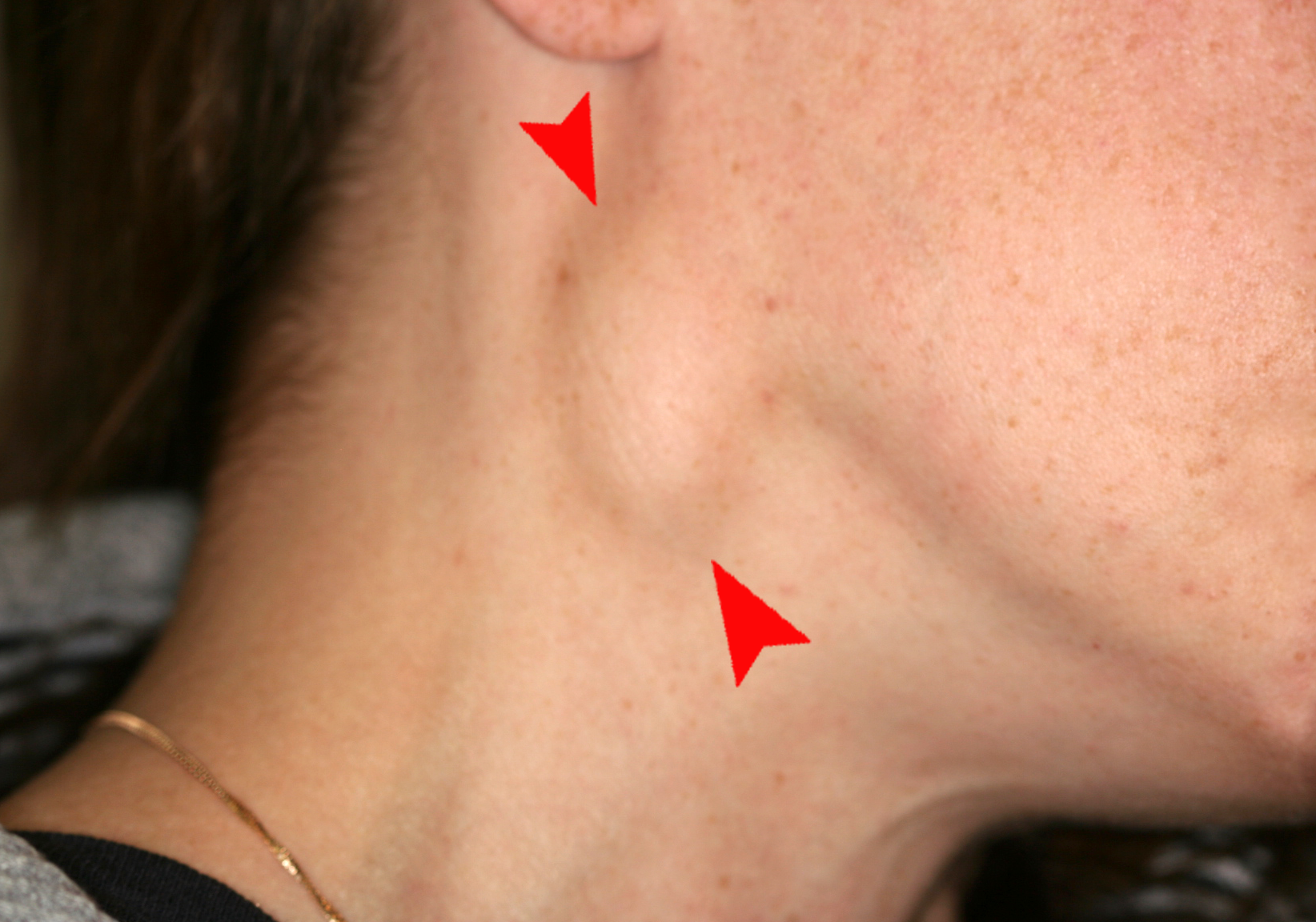
- Lymphadenopathy and hypersensitivity reactions are rare
- With long term use result in Osteomalacia due to abnormalities in vit D metabolism
- With long term use there is coarsening of facial features and mild peripheral neuropathy
- Pregnancy: teratogenic lead to craniofacial anomalies (fetal hydantoin syndrome) and neural tube defects (spina bifida)
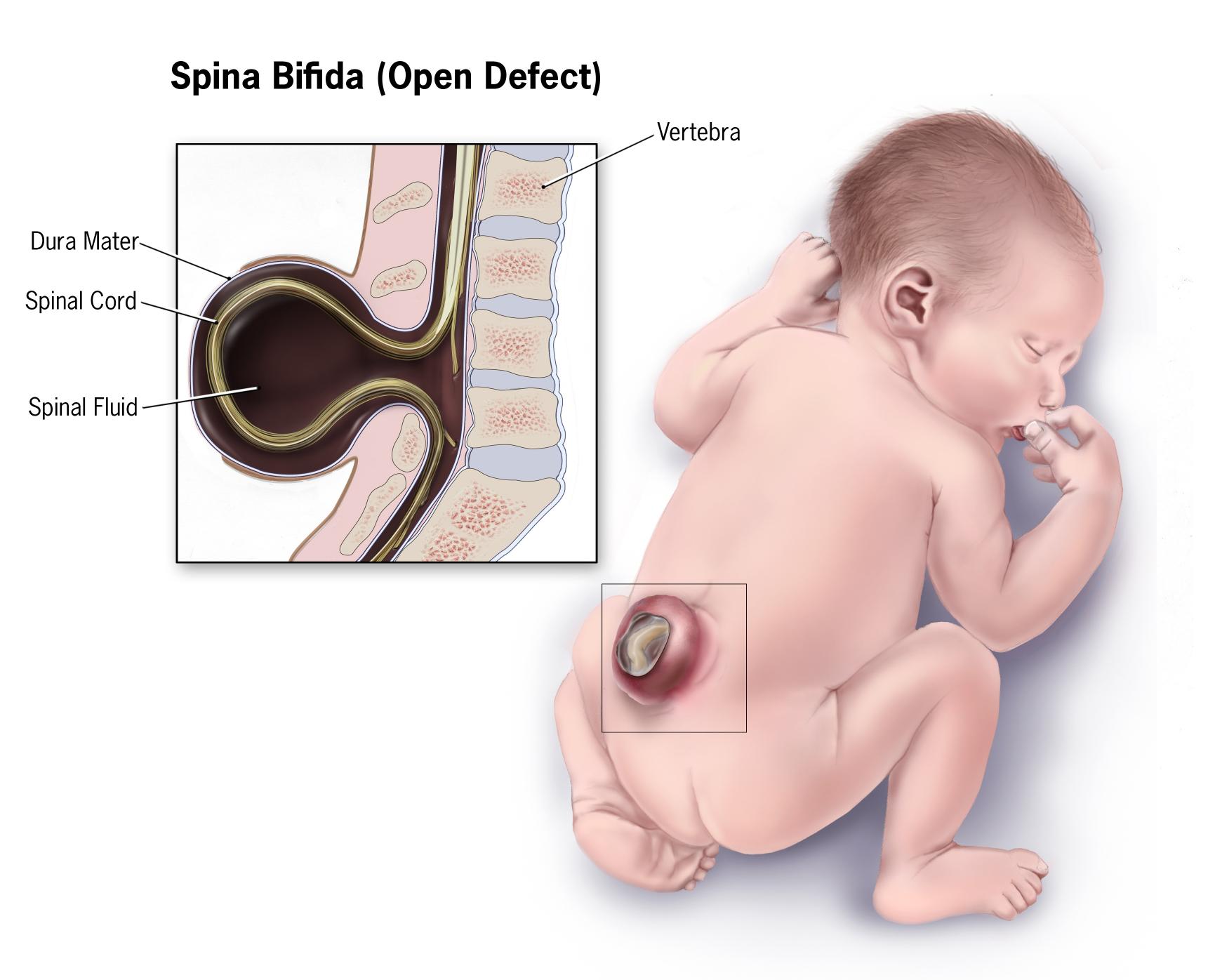
Fetal hydantoin syndrome
- Intrauterine growth restriction
- Microcephaly
- Intellectual difficulty
- Hypoplastic nails and distal phalanges
- Heart defects: ASD, VSD, PDA …
- Cleft lip
Phenytoin toxicity
- Early signs of phenytoin reaching therapeutic levels are nystagmus and loss of smoothness of eye movements and neither of those is indication for decreasing dose
- Once therapeutic dose exceeded then diplopia and ataxia develop and those require dose adjustment to be resolved,
- With higher doses confusion, lethargy and coma develop
- Rapid infusion of intravenous phenytoin lead to bradycardia, hypotension and asystole, care must be taken to administer IV phenytoin with a rate slower than 50 mg/ minute
Continue learning
Practice the topics covered in this lecture.