
Pharmacology
Sucralfate (Anti Ulcer Drug): Mechanism of Action, Therapeutic Uses & Adverse Effects
Source presentation · 3 min read
Edits save on this browser. Download a copy for your records.
Sucralfate
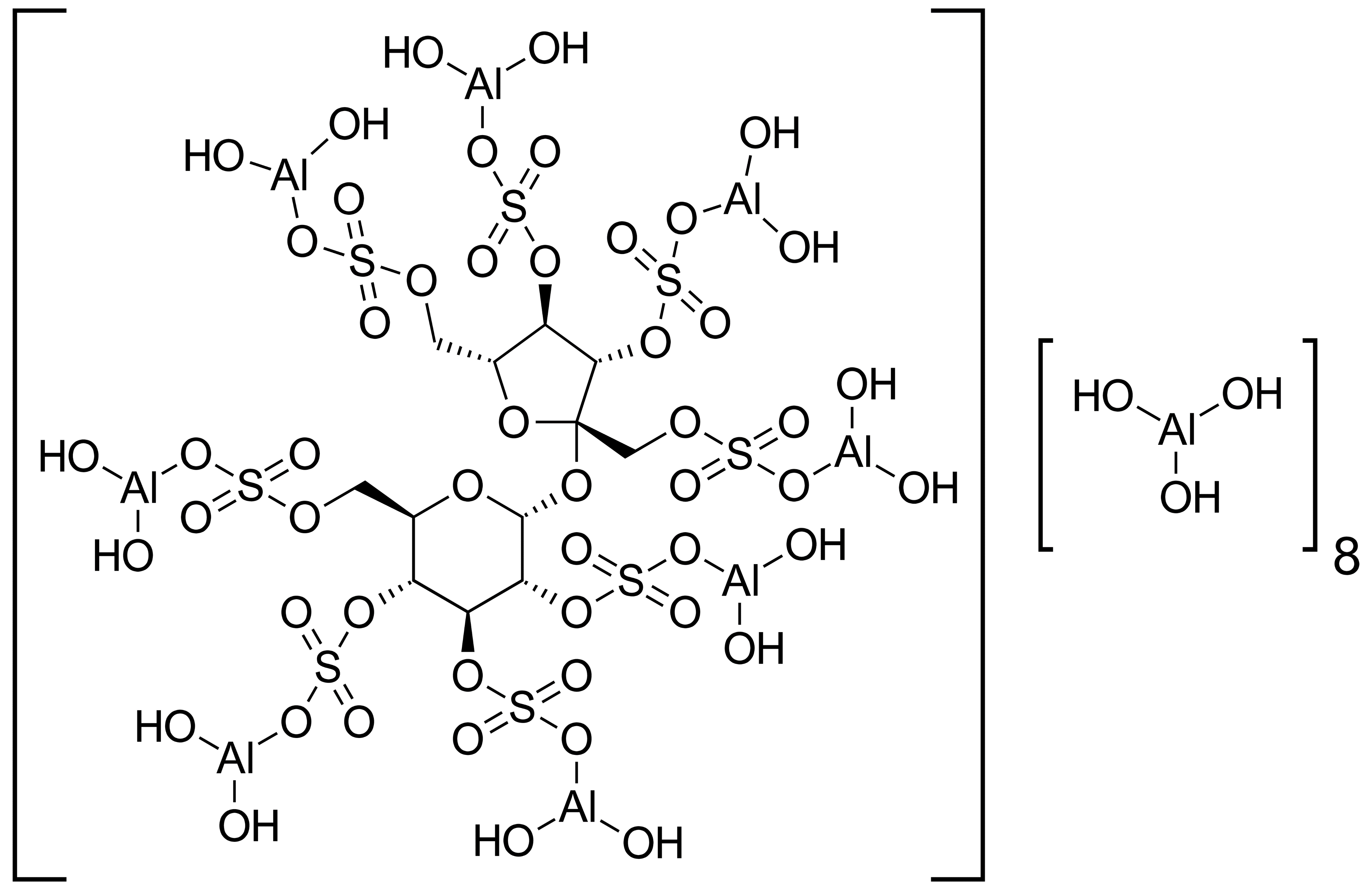
- Sucralfate is anti ulcer drugs, it is an aluminum with the sucrose octa sulfate
Mechanism of action
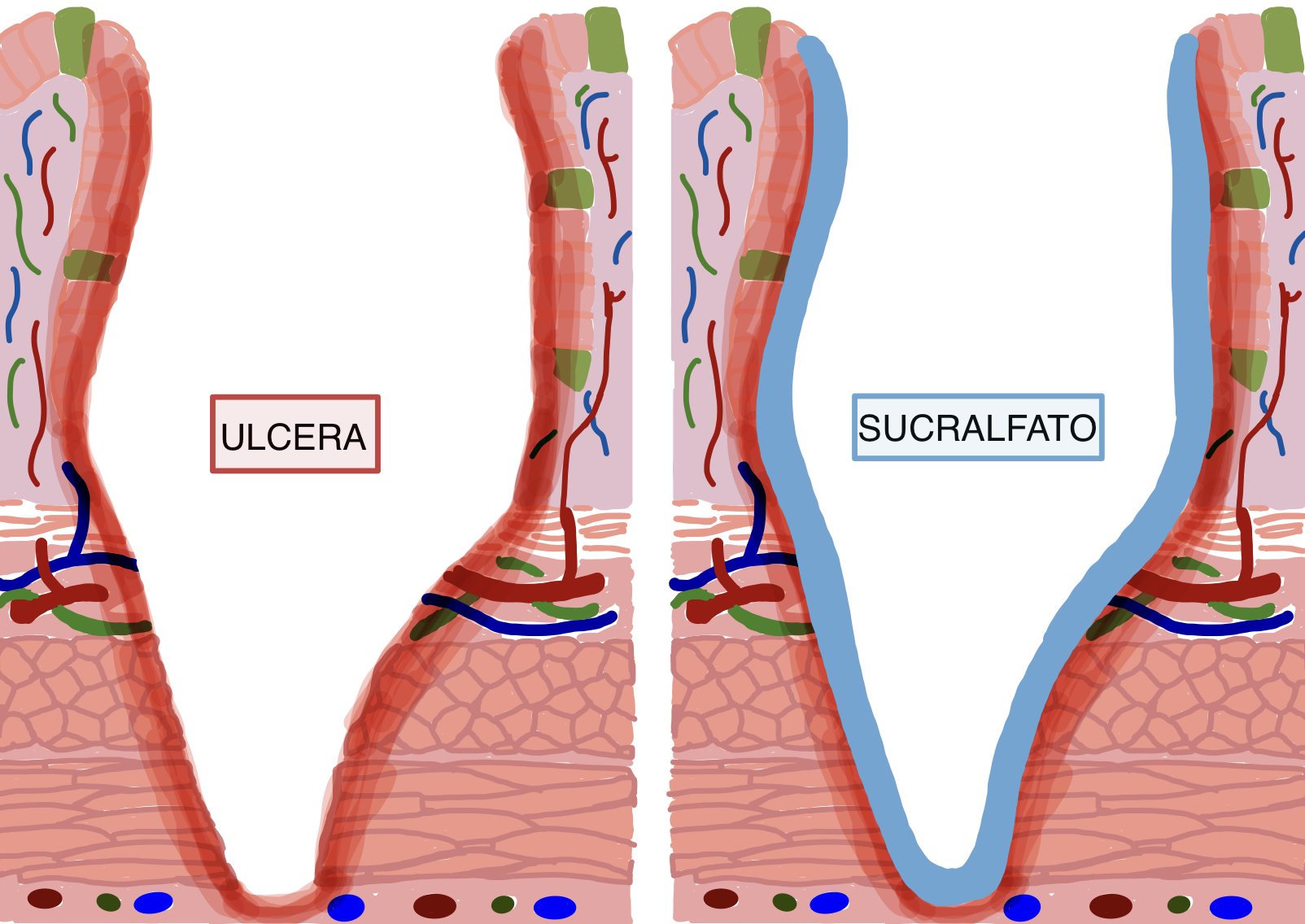
- Sucralfate doesn’t have a buffering or antisecretory effect against acid BUT it forms a protective coat and protects the gastric and duodenal mucosa from pepsin, HCl and bile salts
- The protective coat is formed when the sucralfate binds to positively charged proteins in exudates
- Sucralfate also increase mucous production (by increasing prostaglandin production), also increase mucus viscosity, sulfation and aluminum and carbohydrate contents and prevent mucus breakdown by pepsin => leading to better mucosal protection from acid
- Sucralfate increases prostaglandin production leading to higher bicarbonate production by the stomach and duodenum (bicarbonate work to neutralize the acid)
- Sucralfate also increases the binding of epidermal growth and tissue growth factors to the tissues leading to angiogenesis and better tissue repair
Therapeutic uses
- It is FDA approved for treatment of duodenal ulcers, its efficacy for this use is comparable to the efficacy of H2 blockers
Off label uses include:
- Gastric ulcers
- Dyspepsia: same efficacy as H2 blockers
- Epithelial wounds: used as a topical drug in treatment of ulcers (including oral ulcers in Behçet disease), inflammatory dermatitis, mucositis (including chemotherapy induced mucositis) and burn wounds
Off label uses also include:
- Radiation proctitis by using sucralfate enema
- prevention of ulceration in diversion colitis
- Stress ulcer prophylaxis
- GERD
- Sucralfate is used in treatment of peptic ulcer disease not related to NSAIDs use; because NSAIDs lead to over secretion of acid which is best treated with antisecretory drugs (PPIs and H2 blockers)
Pharmacokinetics
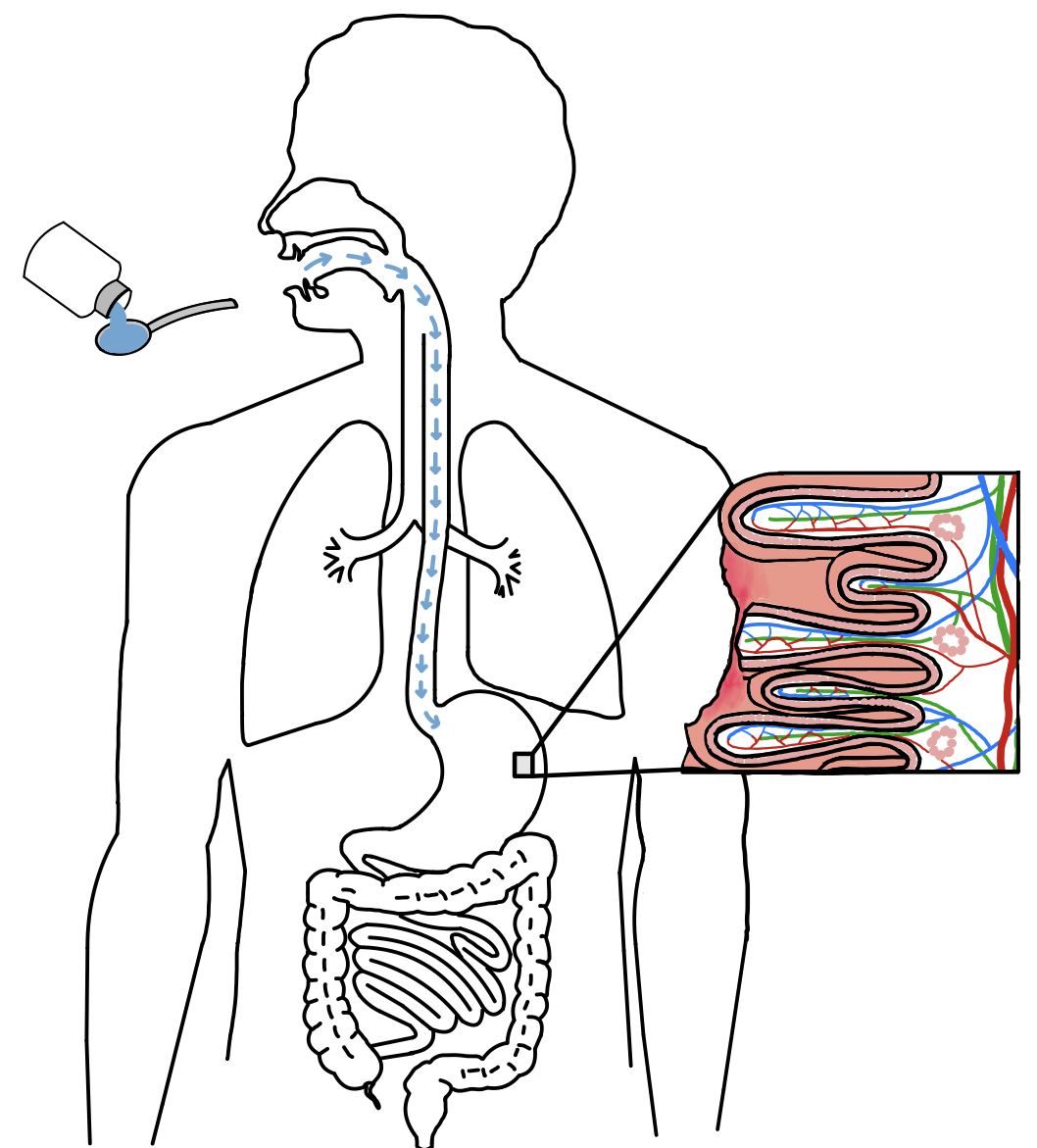
- Sucralfate is available as oral, rectal and topical formulas
- Only 5% is absorbed from the oral formula, onset of action after 1 hour of administration with up to 6 hours duration of action
- It is broken down into aluminum and sucrose octa sulfate in the GI tract, it is not metabolized by the kidney or liver
Adverse effects
- The most common adverse effect is constipation which is seen in up to 10% of patients
- Hyperglycemia is seen in diabetic patients using this med
- Other adverse effects include: nausea and vomiting, flatulence, headache, dry mouth, pruritis, skin rash, formation of undigested and partially digested materials in the stomach, aluminum toxicity and hypophosphatemia
- If this medication is administered IV by mistake, it may lead to fatal complications such as pulmonary emboli and cerebral edema
- Use of this medication in patients with renal failure may lead to aluminum toxicity (use with caution)
- Aluminum toxicity present with non specific symptoms such as proximal muscle weakness, bone pain, fractures and changes in mental state
Drug interactions
Sucralfate if administered at the same time with the following medications, it decreases their concentrations:
- Digoxin
- Levothyroxine
- Furosemide
- Quinolones
- Oral phosphate supplements
- Warfarin
- Antivirals
- Bisphosphonates
- Pheytoin
- There has to be a 2 hour gap between administration of sucralfate and any of these medications
- Antacids administered within 15 minutes of sucralfate can reduce its efficacy because sucralfate requires acidic environment to work
- Multivitamins can increase its serum concentrations
Contraindications
- Absolute: documented hypersensitivity reactions
- Relative: uncontrolled diabetes, impaired swallowing and end stage renal disease
Continue learning
Practice the topics covered in this lecture.