
Pediatrics
Epiglottitis: Signs and Symptoms, Causes, Diagnosis and Treatment All Explained
Source presentation · 4 min read
Edits save on this browser. Download a copy for your records.
Epiglottitis
- Epiglottitis (Supraglottitis) is acute inflammation of the epiglottis, and it is a medical emergency because there is a risk of sudden airway obstruction and death
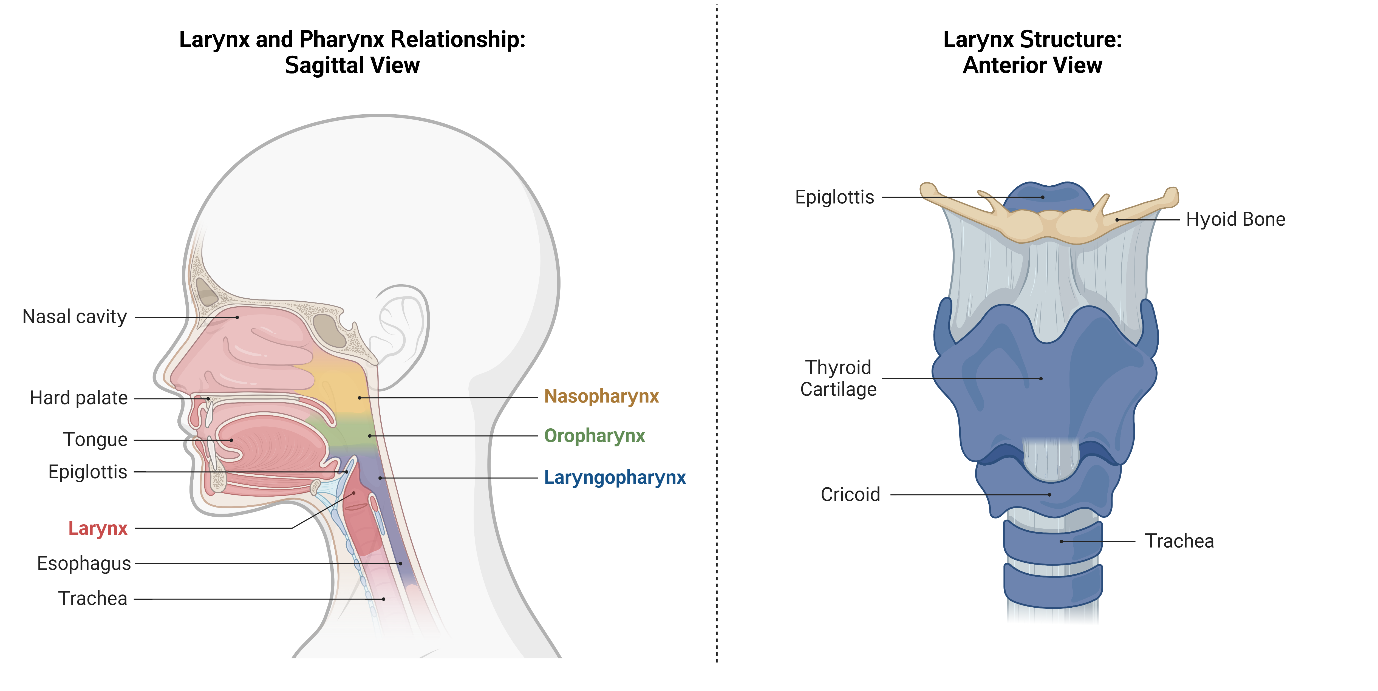
- Epiglottis is a piece of tissue located at base of the tongue that prevents food from entering the trachea
Etiology
- Epiglottitis is rare nowadays, because it is mainly caused by Hemophilus influenzae type b, and vaccination (Hib vaccine) has decreased its occurrence.
- Now it is mostly caused Streptococcus and Staphylococcus species and that occur in immunized children. Candida may be a cause in immunocompromised patients.
Clinical features
- It is characterized by an acute rapidly progressive course of high fever, sore throat, dyspnea and respiratory distress
- The degree of respiratory distress at presentation is variable and lack of respiratory distress at presentation is deceiving and it could be the first manifestation
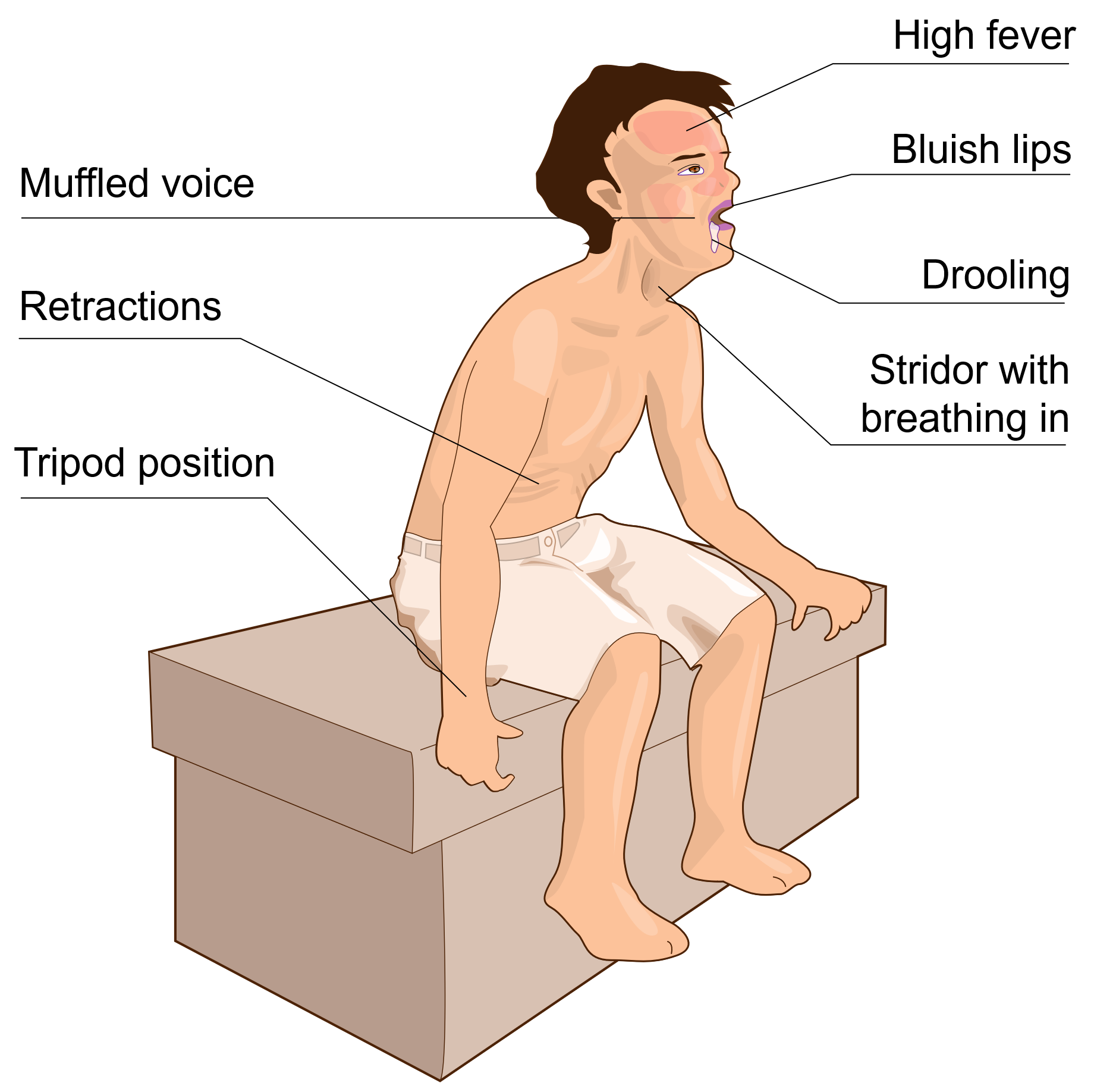
- The classic presentation is usually a healthy child suddenly develops sore throat and fever and within hours, the child appear toxic
- Swallowing is difficult, breathing is labored and drooling is present
- The child may sit in tripod position, sitting upright and leaning forward with chin up and mouth open while bracing on the arms
- A brief period of air hunger and irritability is followed by rapidly increasing cyanosis and coma
- Stridor is a late finding and suggest near complete airway obstruction
- The barking cough (typical of croup) is rare in Epiglottitis
- Usually no other family members are ill with acute respiratory symptoms
Diagnosis
- The diagnosis is clinical in patients presenting with the classic presentation
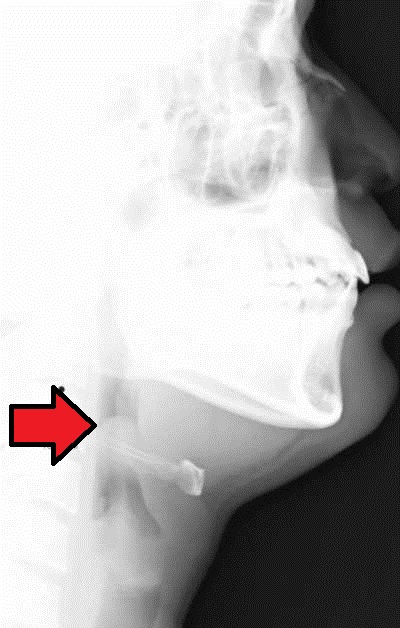
- If the diagnosis is uncertain, then lateral neck films should be taken at the bedside in extension and during inspiration with a minimum of disturbance. Thumb sign might be seen
- If it is not seen then diagnosis require visualization using laryngoscope in the operating room or in the intensive care unit
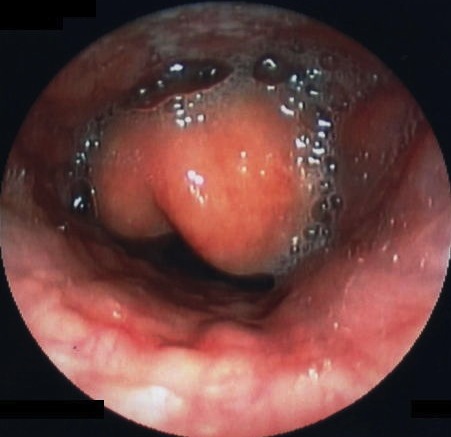
- The epiglottis is large, cherry red and swollen in epiglottitis
- Anxiety provoking interventions such as phlebotomy, IV placement, placing the child supine or direct inspection of the oral cavity should be avoided until the airway is secure because they may lead to airway compromise
- If patient require to be transported, a physician skilled in airway management and intubation should accompany the child at all times
- Blood cultures are positive in up to 90% of patients, whereas cultures from the epiglottis are less sensitive.
Treatment
- Establish a definitive airway using either endotracheal or nasotracheal intubation or if failed then tracheostomy regardless of the degree of apparent respiratory distress because around 6% of children with epiglottitis without a definitive airway die compared to < 1% of those with a definitive airway
- The duration of intubation depends on the clinical course of the patient and duration of epiglottic swelling and extubation is done when swelling subsides, examination is done using direct laryngoscope or flexible fiberoptic laryngoscope
- intubation usually last for 2-3 days because response to antibiotics is rapid
- During preparation for intubation by gathering the right personnel and equipment
- Keep the patient seated and upright. Provide oxygen and administer nebulized racemic or L-epinephrine.
- In the event of total airway loss, attempt bag-valve-mask ventilation.
- Steroids are used to decrease mucosal edema of the epiglottis. Use methylprednisolone 2 mg/kg IV or dexamethasone 0.15 to 0.6 mg/kg IV.
- Administer antibiotics: cefuroxime 50 mg/kg/dose IV, cefotaxime 50 mg/kg/dose IV, or ceftriaxone 50 mg/kg/dose IV are appropriate empiric options. In regions with increased cephalosporin resistance, vancomycin 10 mg/kg/dose IV should be added.
Continue learning
Practice the topics covered in this lecture.