
Pharmacology
Clozapine Pharmacology: Mechanism of Action, Therapeutic Uses & Adverse Effects
Source presentation · 5 min read
Edits save on this browser. Download a copy for your records.
Clozapine
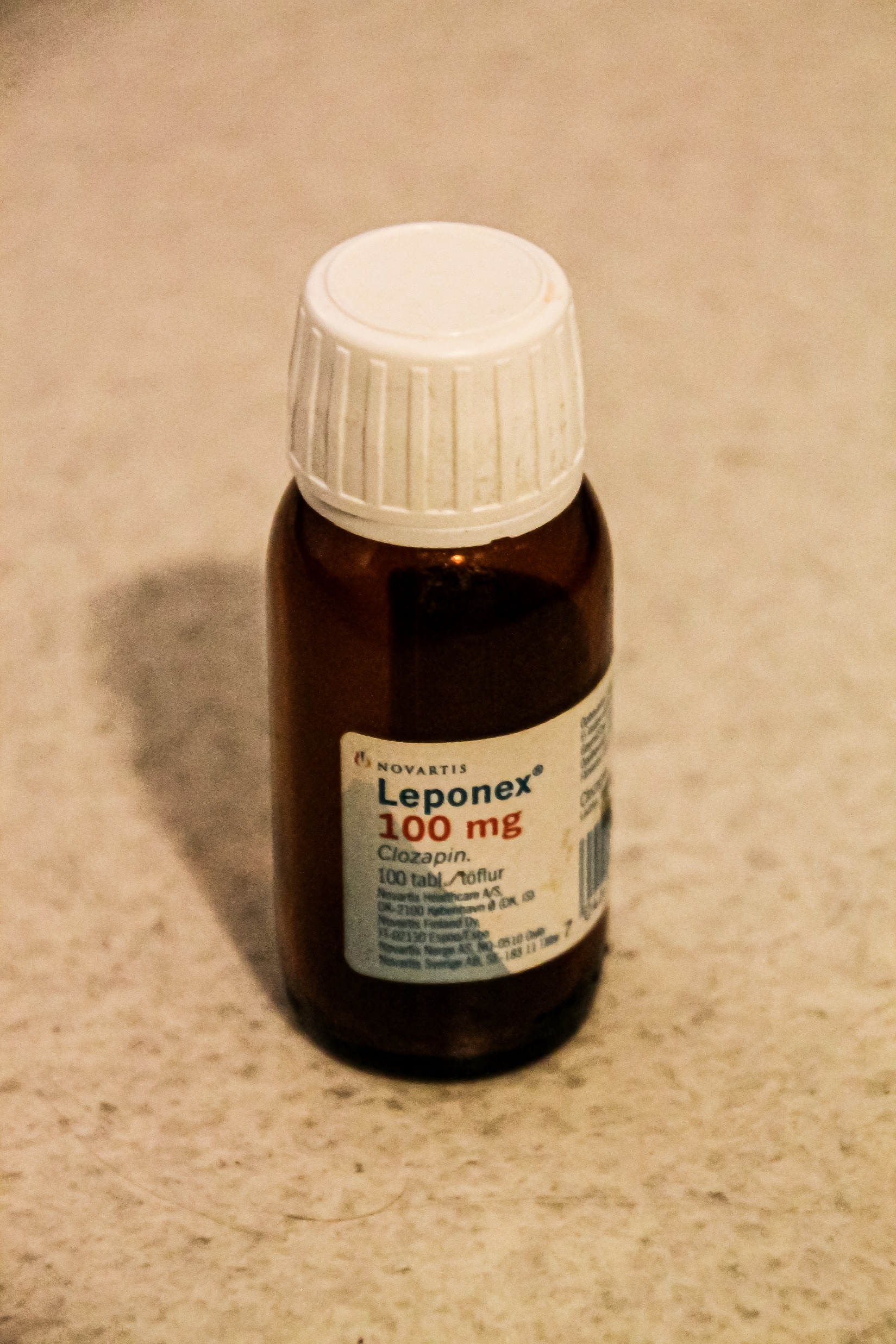
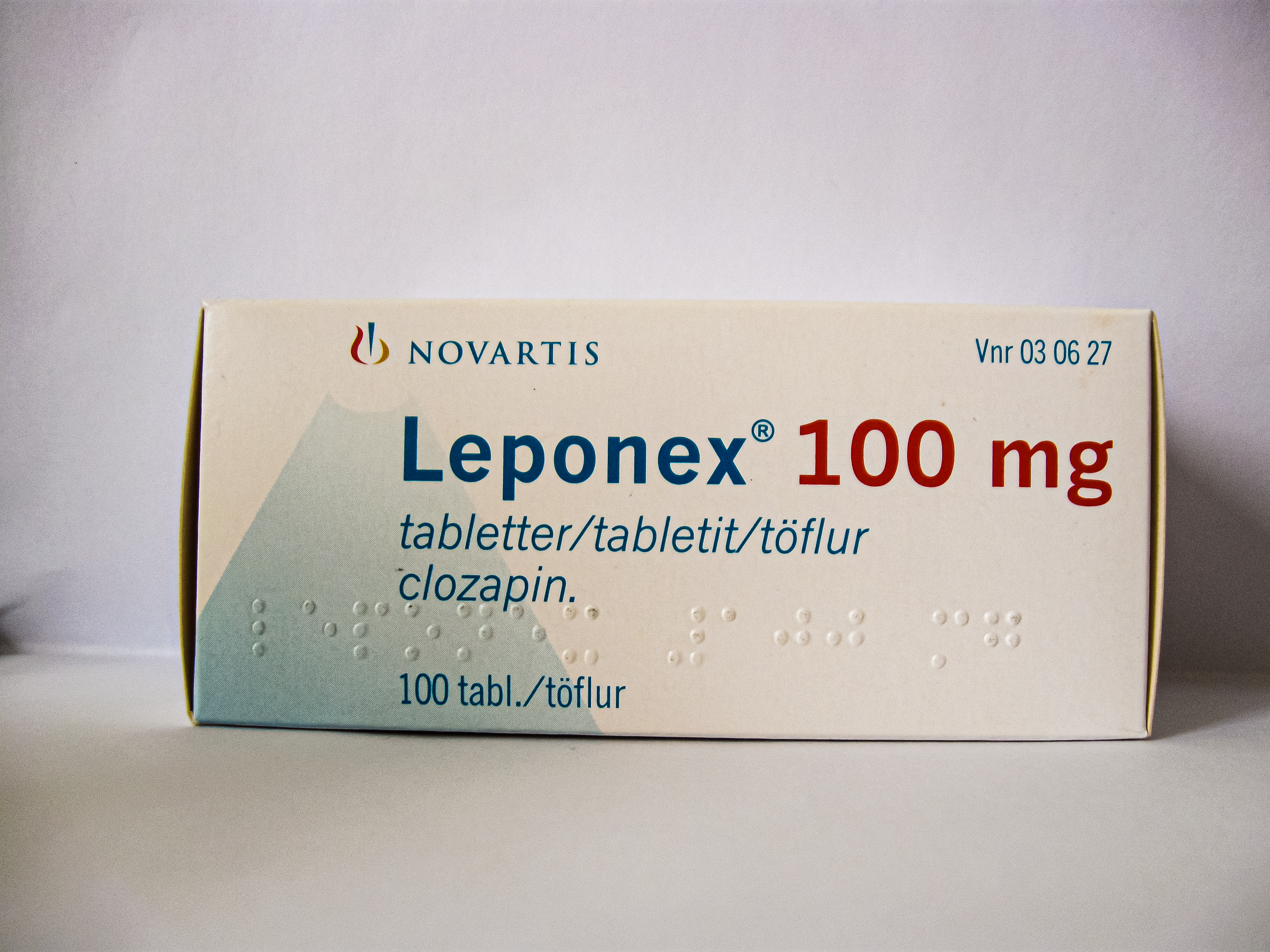
Overview
- Famous trade names: Clozaril and Leponex
- It is atypical antipsychotic medication (new, second generation) and the first atypical to be discovered
- It is mainly used in treatment of schizophrenia and schizoaffective disorder in resistant cases
- Clozapine was synthesized in 1958 by the Swiss pharmaceutical company Wander AG
Pharmacokinetics
- Available as oral formula only
- It is well absorbed with bioavailability of 60% due to first pass metabolism
- Metabolized extensively by the liver via CYP enzymes, especially CYP1A2 and excreted through urine and feces
- Elimination half life is 14 hours
Mechanism of action
- clozapine antagonizes serotonin 5HT receptors and dopamine receptors
- Serotonin antagonism makes clozapine good in managing the negative symptoms of schizophrenia, like social isolation, poverty of speech, lack of motivation and inability to feel pleasure
- Antagonism of serotonin by this medication also lead to relief of some of the extrapyramidal side effects that occur as a result of dopamine antagonism
- BUT serotonin antagonism lead to weight gain and metabolic changes as adverse effects with the use of this medication
- Clozapine antagonizes dopamine but it has higher affinity to dopamine D4 receptors more than D2 receptors which lead to less extrapyramidal symptoms compared to other antipsychotics
- Dopamine antagonism in the mesolimbic and mesocortical pathway which lead to relieving of the positive symptoms of schizophrenia

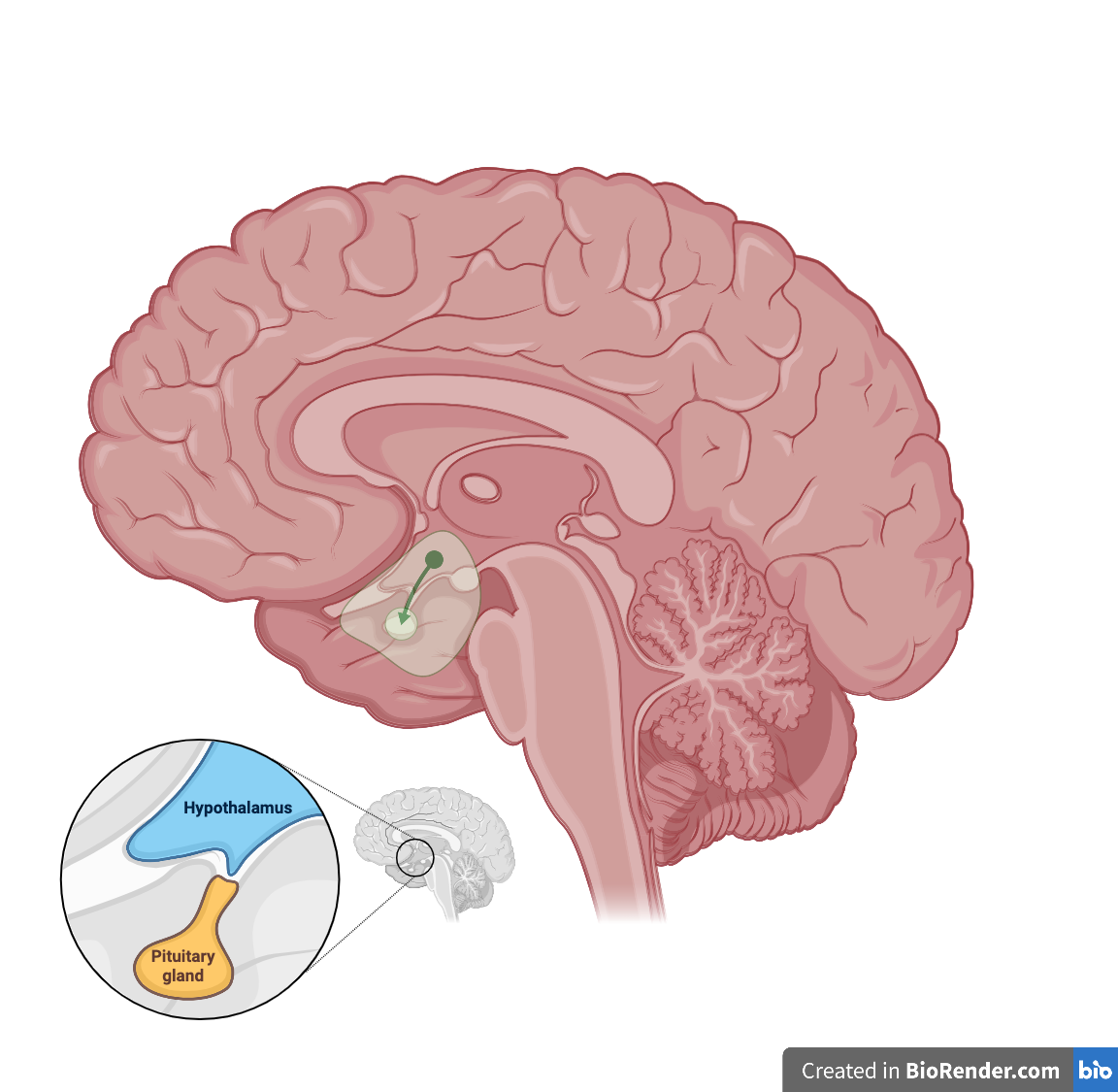
- It also blocks dopamine in the tuberoinfundibular pathway but it has lower risk of hyperprolactinemia compared with other antipsychotics
- It has anti histamine activity which lead to drowsiness
- It also block muscarinic receptors including M1, 2, 3, 5; it is agonist at M4
- It blocks alpha adrenergic receptors to some degree too
Therapeutic uses
- Use of clozapine in treatment of schizophrenia has shown better symptoms control and reduced risk of hospitalization and drug discontinuation but it is not used as a first line because it may lead to agranulocytosis and GIT hypomotility which may kill the patient (that will be discussed in the adverse effects part of this video)
It is used in treatment of schizophrenia and schizoaffective disorder in:
- Patients who didn’t have adequate response to two other antipsychotic medications (resistant cases)
- Patients who are unable to tolerate other antipsychotics due to extrapyramidal side effects
- Patients who develop tardive dyskinesia while on some other antipsychotic medication
- It is used in treatment of psychosis that occur as a side effect to Parkinson’s disease treatment
- It is used for reducing risk of suicide in people with schizophrenia or schizoaffective disorder who has high suicide risk
- Third line in treatment of manic phase of bipolar disorder (lithium being first line, other atypicals being second line)
Dosage
- According to FDA, max dose is 900 mg/day, average dose is 300 mg/day for women and 400 mg/day for men
Adverse effects
- Clozapine used as a second line because it may lead to agranulocytosis (agranulocytosis likely to be fatal) in the first year and a half of treatment, after that risk reduces, also because it lead to GIT hypomotility (surprisingly most common cause of death from this medication more than agranulocytosis even)
- clozapine lead to bone marrow suppression and agranulocytosis (1% of cases) which is severe neutropenia less than 500 /mm
- Risk factors for agranulocytosis are old age, female, concurrent tx with medications that cause same condition, monitor with CBC
- It may lead to GIT hypomotility which may lead to severe constipation, fecal impaction, paralytic ileus, bowel obstruction, acute megacolon, ischemia or necrosis
- It may lead to myocarditis (3% of cases) which is inflammation of the heart muscle, also fatal
- Risk factors for myocarditis include rapid titration of the drug, concurrent use of SSRIs, illicit substance abuse
- Most common adverse effect of clozapine is hypersalivation in 60% of the patients, clozapine is agonist in M4 which is highly expressed in salivary glands
- Weight gain, high blood sugar levels due to serotonin antagonism
- It also block alpha adrenergic receptors to some degree leading to postural hypotension and palpitation
- Increased risk of death if used in patient with dementia related psychosis
- Extrapyramidal symptoms are not common with this medication because of its anticholinergic effects and serotonin antagonism and its higher affinity for dopamine D4 more than D2 receptors
- Increase risk of seizures in seizure disorders patients
- Anticholinergic side effects: Elevated temperature, sedation, constipation and urinary retention
- Periorbital edema (rare)
Clozapine withdrawal
- Abrupt withdrawal of clozapine lead to cholinergic rebound effects, those include
- Indigestion
- Diarrhea
- Nausea/vomiting
- Hypersalivation
- Sweating
- Insomnia
- Agitation
Drug interactions
- Fluvoxamine (SSRI), theophylline, ciprofloxacin all inhibit metabolism of the medication leading to increased blood levels and overdose
- Carbamazepine increase metabolism of this medication leading to low plasma levels and treatment failure and it also increase risk of agranulocytosis
Clozapine overdose
- Symptoms of overdose include sedation, confusion, tachycardia, seizures and ataxia
Continue learning
Practice the topics covered in this lecture.