
Pharmacology
Lamotrigine Pharmacology: Mechanism of Action, Therapeutic Uses and Adverse Effects
Source presentation · 2 min read
Edits save on this browser. Download a copy for your records.
Antiepileptic drugs classification
| First generation (Classic) drugs | Second generation (newer) drugs |
|---|---|
| Phenytoin | Vigabatrin |
| Carbamazepine | Lamotrigine |
| Valproic acid | Topiramate |
| Ethosuximide | Levetiracetam |
| Phenobarbital | Gabapentin & pregabalin |
| Benzodiazepines | Tiagabine |
Overview
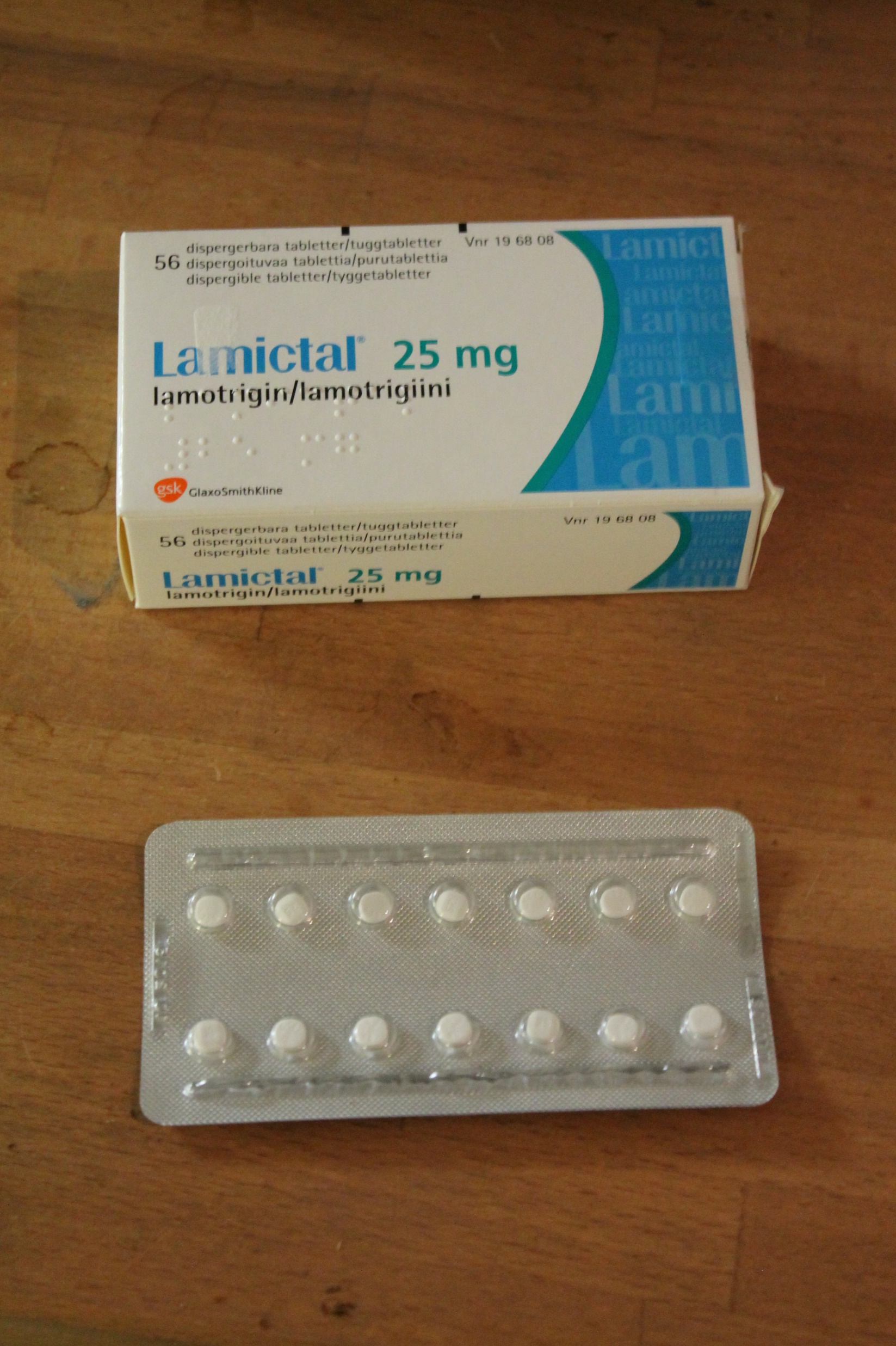
- Trade name: Lamictal
- It is one of the most widely prescribed antiepileptics in treatment of focal seizures
- it was first used in 1990 in Ireland to treat epilepsy
Mechanism of action
- It blocks voltage gated sodium channels (similar to most of the first Gen antiepileptics)
- It also inhibit the presynaptic release of glutamate and aspartate
Therapeutic uses
- It is effective in treatment of focal seizures (same with the carbamazepine)
- It is also effective against idiopathic generalized onset tonic clonic seizures and Lennox Gastaut syndrome
- It is also effective in treatment of Absence seizures (but not as effective as ethosuximide or valproate)
- Preferred in pregnancy due to low teratogenic potential
- It used off label in treatment of bipolar disorder, fibromyalgia, schizophrenia and depression
Adverse effects
Lamotrigine is generally well tolerated but it may lead to:
- Headache
- Nausea and vomiting

- CNS: diplopia

- Skin rash (allergic) and rarely progresses to SJS (higher risk if combined with valproic acid)
- Insomnia (most antiepileptics cause sedation instead)

Pharmacokinetics
- Lamotrigine is well absorbed with bioavailability of 98%
- Distribution: binds to proteins by 55%, the rest is distributed to the tissues especially the brain where it exert its effects, Vd is 1.2
- It is metabolized by glucuronidation in the liver and excreted in urine
- Eliminated by first order kinetics and Half life is around 24 hours
Drug interactions
- Lamotrigine is commonly combined with valproate, valproate inhibits lamotrigine metabolism leading to increase of its drug levels and half life
- So lamotrigine dose should be reduced if combined with valproate
Continue learning
Practice the topics covered in this lecture.