
Pharmacology
Benzodiazepines Pharmacology: Mechanism of Action, Therapeutic Uses & Adverse Effects
Source presentation · 5 min read
Edits save on this browser. Download a copy for your records.
Overview
- Benzodiazepines are sedative hypnotics drugs, sedative hypnotics also include barbiturates, z drugs and other hypnotics
- They largely replaced barbiturates in treatment of anxiety disorders, insomnia and seizures because they are safer and more effective
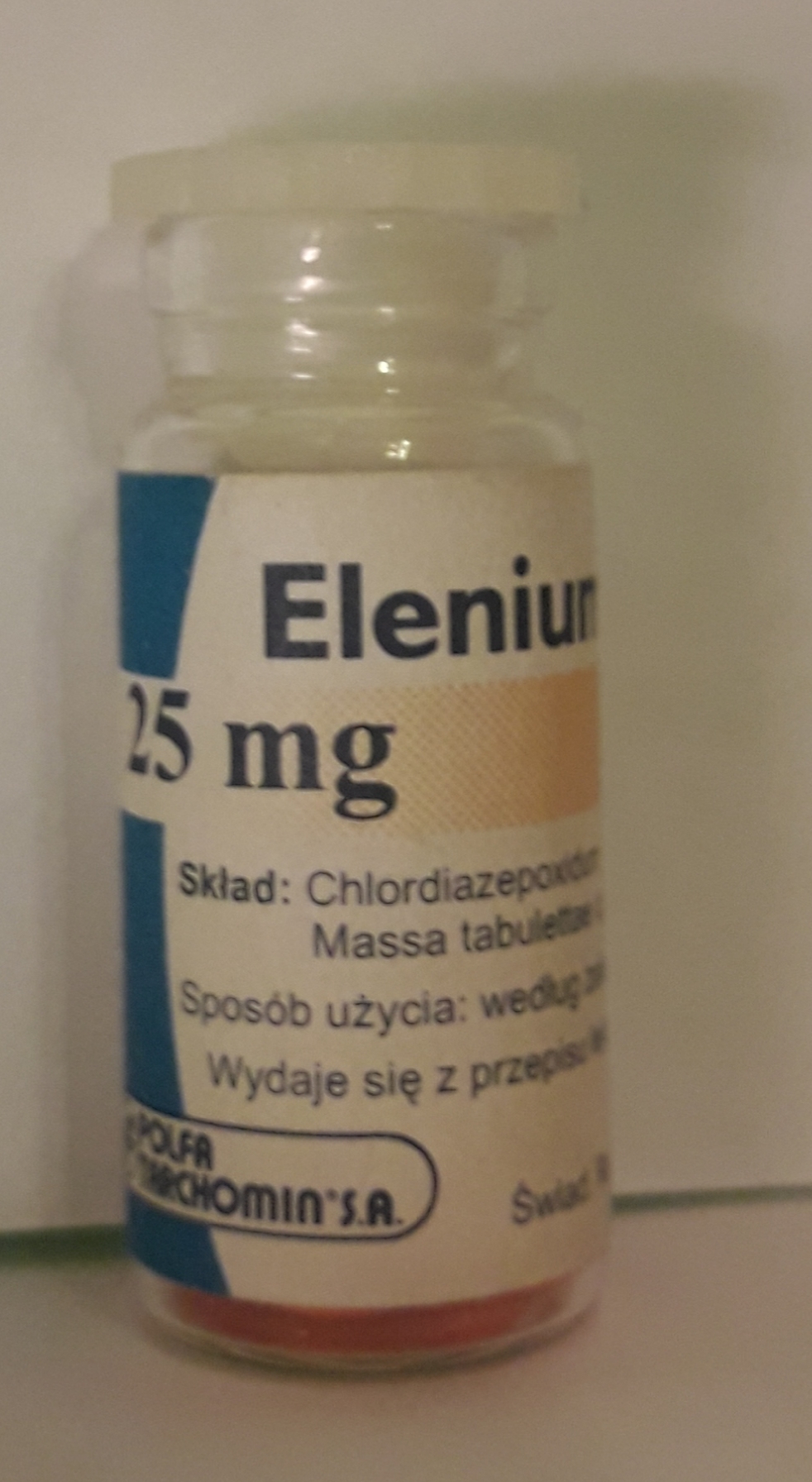
- Chlordiazepoxide was the first benzodiazepine to be discovered in 1955 by the chemist Leo Sternback
Sedative and Hypnotic effects
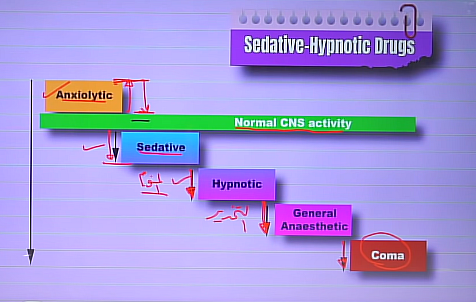
- Sedative effect is when there is reduction in CNS activity, leading to reduction in anxiety and exertion of a calming effect
- Hypnotic effect is when there is reduction in CNS activity even more than sedation, leading to drowsiness and sleep
- Benzodiazepines can achieve both of these effects depending on the dose

benzodiazepines classification
| Examples | Duration | T1/2 | |
|---|---|---|---|
| Ultra short acting | Remimazolam | 30 min | 30 min |
| Short acting | Midazolam Triazolam | 1 h | 2 h |
| Intermediate acting | Alprazolam- Lorazepam Temazepam – Oxazepam Nitrazepam | 6-8 h | 5-20 h |
| Long acting | Diazepam – Clonazepam Flurazepam | 8- 14 h | 50- 100 h |
Pharmacokinetics
- Absorption: oral formulas of most of these medications are well absorbed, and bioavailability is good
- Distribution: benzodiazepines are highly lipid soluble and it distribute to most of the body tissues including brain, but then it rapidly redistribute to less vascular tissues like muscle and fat, decreasing its concentrations in plasma and brain, redistribution lead to termination of its central effects
- Metabolized in the liver mainly by oxidation into active metabolites and conjugation with glucuronic acid to form inactive metabolites, lorazepam undergoes conjugation directly without oxidation
- In liver disease, old age and microsomal enzyme inhibitors, oxidation process is greatly reduced while conjugation is not much affected, so it is better to use benzos that are metabolized by conjugation (lorazepam)
- Excreted renally
Mechanism of action
- benzodiazepines work on GABA A receptors in the CNS, same with the barbiturates and z drugs
- GABA receptors composed of five subunits and they are the chief inhibitory receptors in the CNS
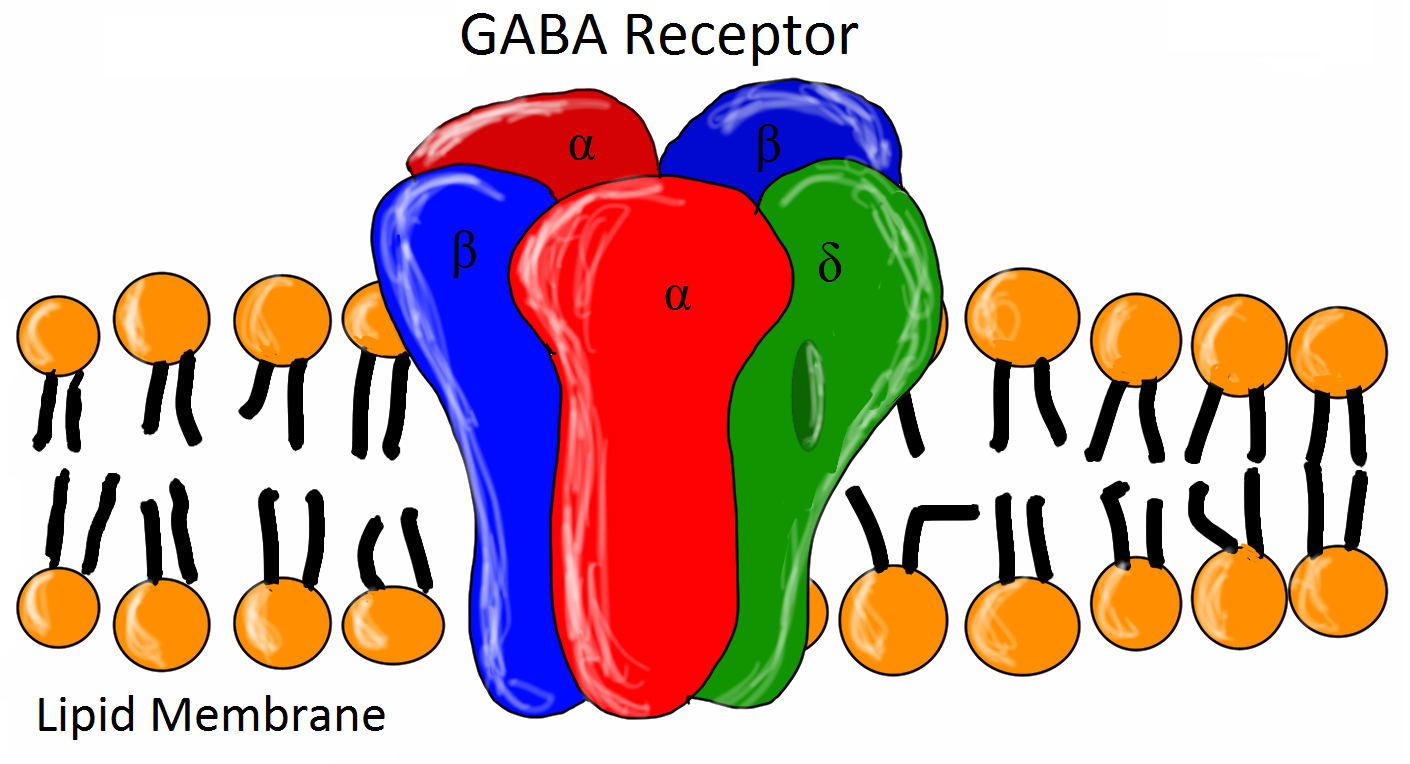
- GABA receptors are normally activated by GABA neurotransmitter (gamma aminobutyric acid), GABA bind into one of the receptor subunits to activate it
- Activation of the receptor lead to the opening of the ion channel that allows chloride ions to pass through it leading to reduction in neuronal excitability and inhibition of nerve transmission => CNS inhibition
- Benzodiazepines cause enhancement of GABA, by interacting with the alpha and gamma subunits of the GABA A receptors, which lead to increase chloride ion flow resulting in hyperpolarization and CNS depression
- Benzodiazepines increase the frequency of the opening of chloride channels in GABA A receptors only in the presence of GABA neurotransmitter, if GABA neurotransmitter is absent then no effect for benzodiazepines, and that is the opposite of the barbiturates, because barbiturates work even if GABA is absent
Pharmacologic effects
- Antianxiety effect at small doses
- Sedative and Hypnotic effect in larger doses
- Anesthetic effect with midazolam when used intravenously
- Euphoria, hallucinations, dizziness and paresthesia
- Anticonvulsant effect, clonazepam is used in treatment of absence seizures
- Anterograde amnesia: inability to remember events happened during drug’s action
- Muscle relaxation
Therapeutic uses
- Benzodiazepines are used as the first line in cessation of seizure activity and status epilepticus in emergency departments, especially midazolam, lorazepam and diazepam
- Benzodiazepines are used in the short term management of generalized anxiety disorder, panic attacks and some types of phobias; SSRI are used in the long term management of these disorders
- They also used in treatment of insomnia, second line after z drugs
- Clonazepam is used in treatment of myoclonic seizures and absence seizures
- Benzodiazepines also used for short surgical procedures
- Benzodiazepines are safe and effective for short term use only < 6 weeks, beyond that tolerance and dependence, cognitive impairment occur
Adverse effects
- Tolerance and physical dependence due to decrease sensitivity of GABA receptors and increase levels and receptor upregulation of excitatory transmitters such as NMDA glutamate receptors
- Rebound insomnia after discontinuation
- Hangover: state of psychomotor depression occurs in the following day after use of long acting drugs (residual effect)
- Memory disturbance
- Respiratory depression and respiratory arrest
- Drowsiness and confusion
- Headache
- Nausea and vomiting
- Double vision
- In neonates, benzodiazepines rarely lead to laryngospasm and bronchospasm, ventricular arrhythmias and syncope
Contraindications
- Severe respiratory insufficiency
- Sleep apnea syndrome
- Acute narrow angle glaucoma because they increase IOP
- Pregnancy (teratogenic): used if benefit outweigh risks
- With other CNS depressant drugs like alcohol
Use in renal and hepatic impairment
- Hepatic impairment: lorazepam is the safest in hepatic impairment
- Renal impairment: there is decreased clearance of the drug, lorazepam maybe safe in ESRD patients but dose has to be adjusted
Toxicity
- Benzodiazepines can be abused by people and overdose can occur from that, overdose can also occur unintentionally due to hepatic or renal problems
- Benzodiazepines toxicity symptoms include CNS depression in form of loss of consciousness and shallow breathing
Treatment of toxicity
- Flumazenil is antidote to benzodiazepines toxicity, flumazenil may lead to withdrawal seizure if administered in high dose
- Management of the ABC
- IV fluids
- Activated charcoal is contraindicated

Continue learning
Practice the topics covered in this lecture.