
Pharmacology
Zoloft (Sertraline) Side Effects with Explanation
Source presentation · 2 min read
Edits save on this browser. Download a copy for your records.
Intro
- Zoloft (Sertraline) is SSRI medication that is used in the treatment of depression, anxiety disorders and panic attacks
- It works by blocking the reuptake of serotonin leading to increased serotonin levels in the neurons synapse
- It is generally well tolerated by most patients, but sometimes may lead to side effects that will be explained here
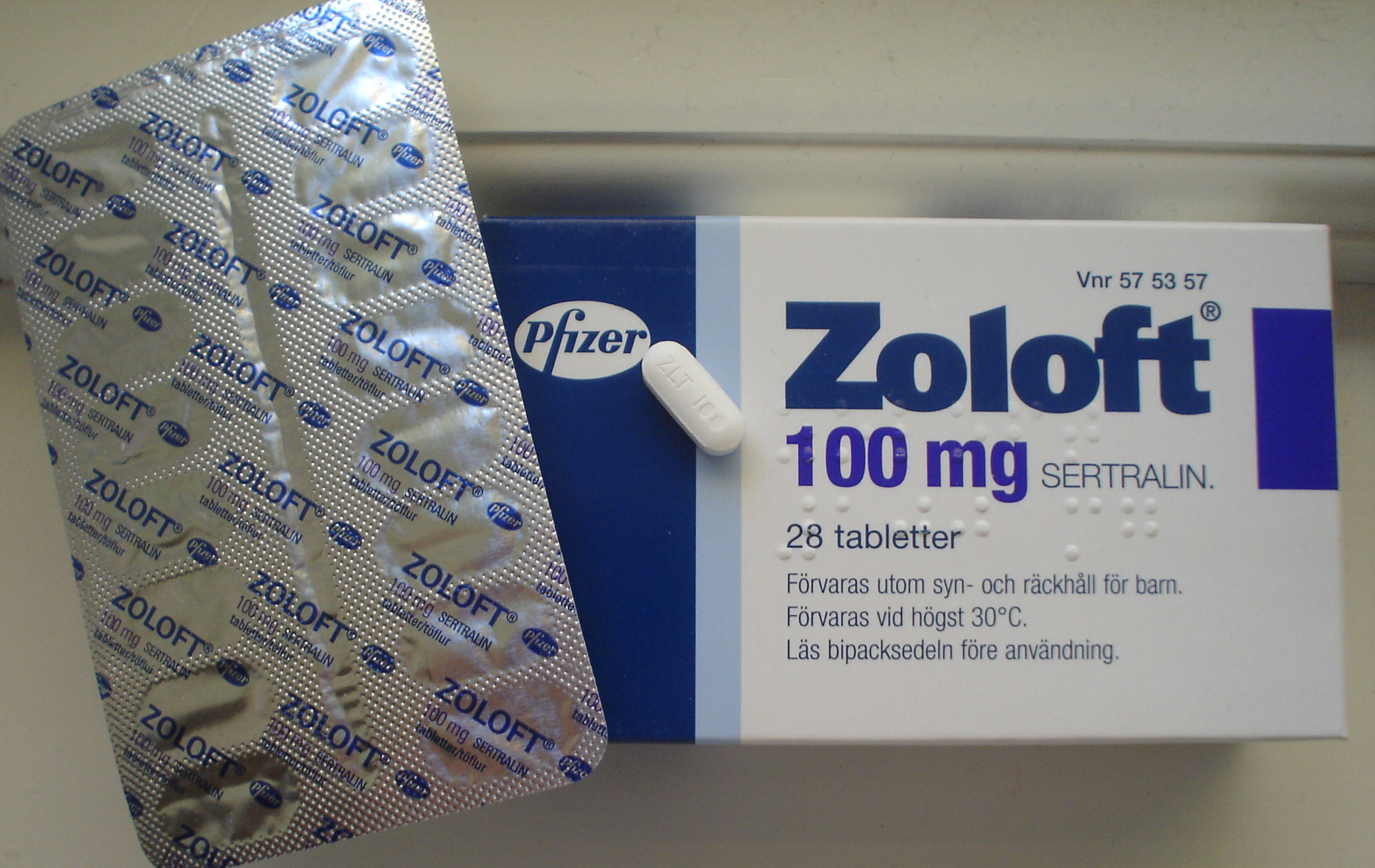
Random Side effects
- Diarrhea
- Nausea and abdominal pain
- Dry mouth
- Lightheadedness
- Yawning
- Insomnia
- Dizziness
- Excessive Sweating
- Confusion
- Tremor
- Fatigue
- Weight gain
Emotional blunting
- Reduced intensity of positive and negative emotions, apathy and decreased motivation
- This is dose dependent
Sexual side effects
- Anorgasmia, decreased libido, genital numbness and sexual anhedonia in both genders, erectile dysfunction in males
- Mechanism of by which Zoloft causes sexual side effects is not very well understood
- Sexual side effects are managed with the use of medications such as sildenafil
Increased Suicide risk
- Higher risk of suicide especially during the first few months of the use of this medication especially in people younger than 25 years old
Withdrawal syndrome
- Occur where there is abrupt interruptions or sudden withdrawal of the medication
- Symptoms include dizziness, insomnia, anxiety, agitation and irritability
- This might occur even when missing a single dose
Higher risk for Bipolar switch
- This side effect occur in patients with bipolar disorder
- Zoloft may precipitate the switch from depression in to hypomania or mania especially when used as monotherapy
- the risk of switching is back to normal if Zoloft is taken with mood stabilizers
Increased bleeding risk
- Because it may inhibit platelet aggregation
QT interval prolongation
- QT interval prolongation: this is dose dependent and not that significant compared with other SSRI (citalopram)
Serotonin syndrome
- Caused by increased the serotonin levels
- Occurs especially in case of combination of Zoloft with other drugs that elevate the serotonin levels like the TCA, triptans, tramadol, lithium, St John’s wort and tryptophan
- Symptoms of serotonin syndrome include altered mental status, autonomic changes such as tachycardia and neuromuscular changes such as tremor, rigidity and myoclonus
Induce SIADH
- This occur especially in patients aged 65 and older
- Lead to hyponatremia
- This lead to symptoms like muscle pain, headache and disorientation
Continue learning
Practice the topics covered in this lecture.