
Clinical medicine
Sinus Arrhythmia: ECG Characteristics, Presentation & Treatment
Source presentation · 2 min read
Edits save on this browser. Download a copy for your records.
Sinus arrhythmia
- Some variation in sinoatrial node discharge rate is common, normally it should be less than 120 ms (3 small squares in ECG paper) between the longest and shortest P-P interval
- Sinus arrhythmia is when the variation exceeds 120 ms
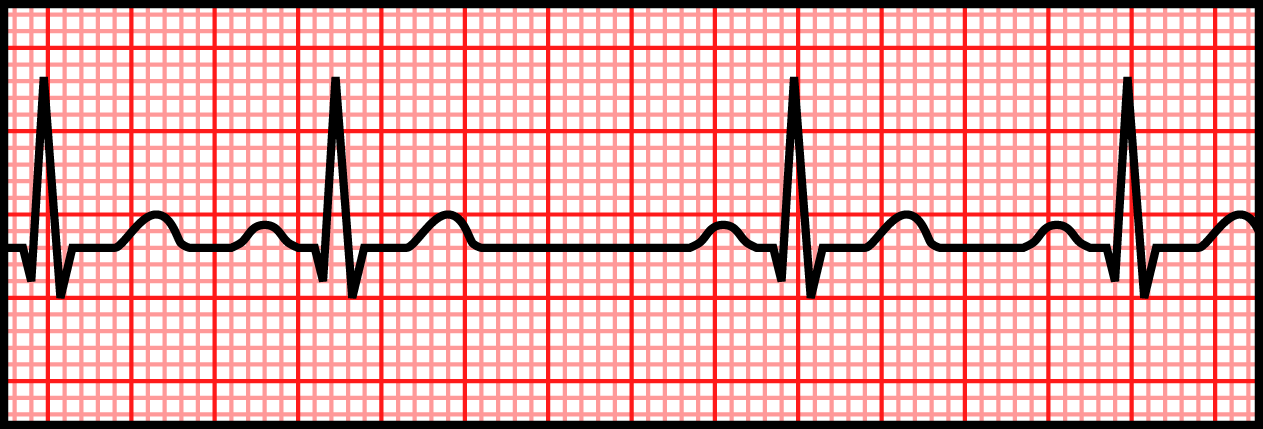
ECG characteristics of sinus arrhythmia include:
- Normal sinus P waves (P wave is monoform and in pattern consistent it originating from the sinus node) and PR interval
- 1:1 atrioventricular conduction (AV conduction)
- Variation of at least 120 ms between the shortest and longest P – P interval
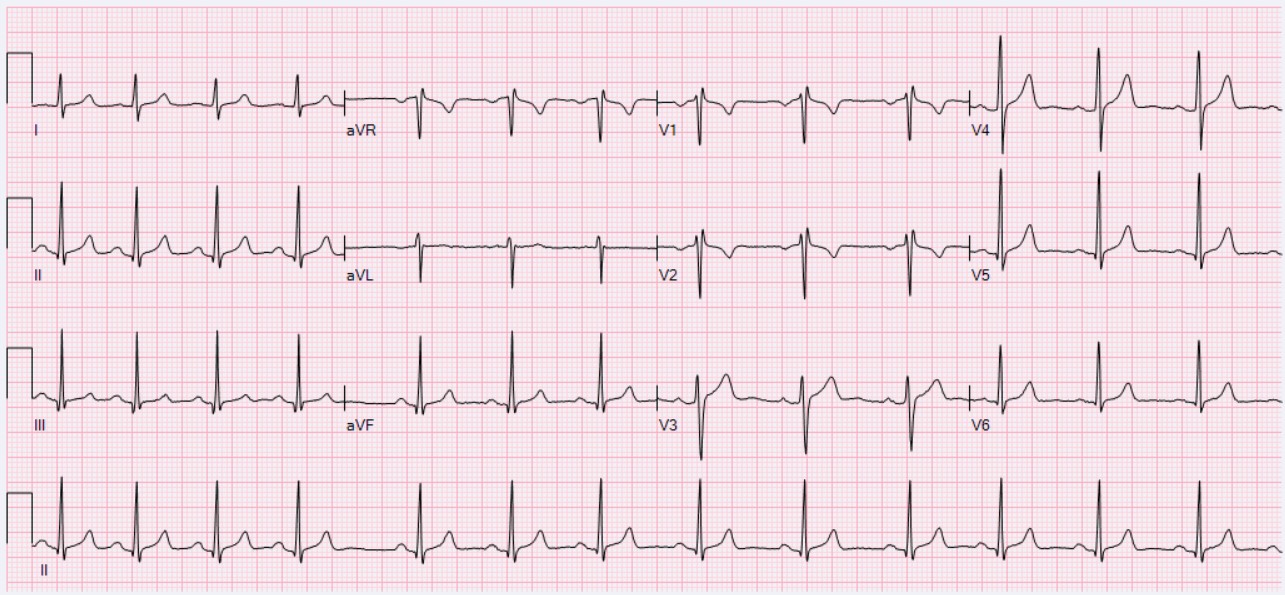
- Occasional junctional escape beats maybe present during very long P-P interval
- No treatment is required

- Sinus arrhythmias are affected primarily by respiration (because during respiration, intermittent vagus nerve activation occurs, which result in beat-to-beat variation in the resting heart rate)
- Sinus arrhythmia commonly found in children and young adults, disappearing with advancing age
- It indicates good cardiovascular health
Presentation
- Sinus arrhythmia is an incidental finding on ECGs
- Rarely it may lead to symptoms like SOB and palpitation
DDx
- If two or more different P waves morphologies are present then atrial ectopy, wandering atrial pacemaker or another competing non sinus focus maybe present
Continue learning
Practice the topics covered in this lecture.