
Orthopedics
Orthopedic Trauma Basic Principles Free Course | Introduction
Source presentation · 2 min read
Edits save on this browser. Download a copy for your records.
Orthopedics Trauma Basic Principles
Class overview
- 20 videos
- Class intro
- Bone fracture mechanisms
- Types of fractures
- Fracture displacement patterns and fracture description
- Fracture healing
- Fracture healing outcomes
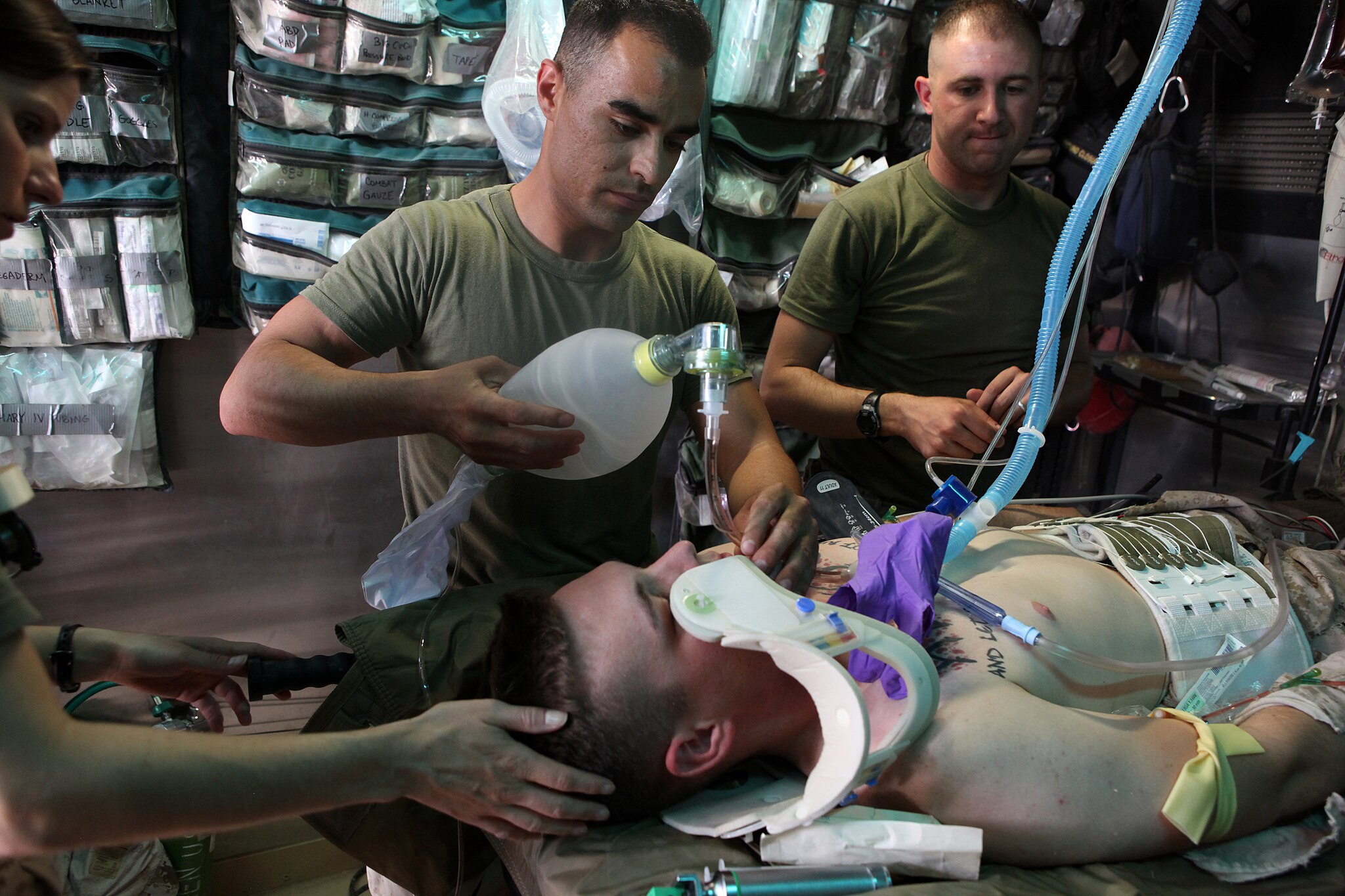
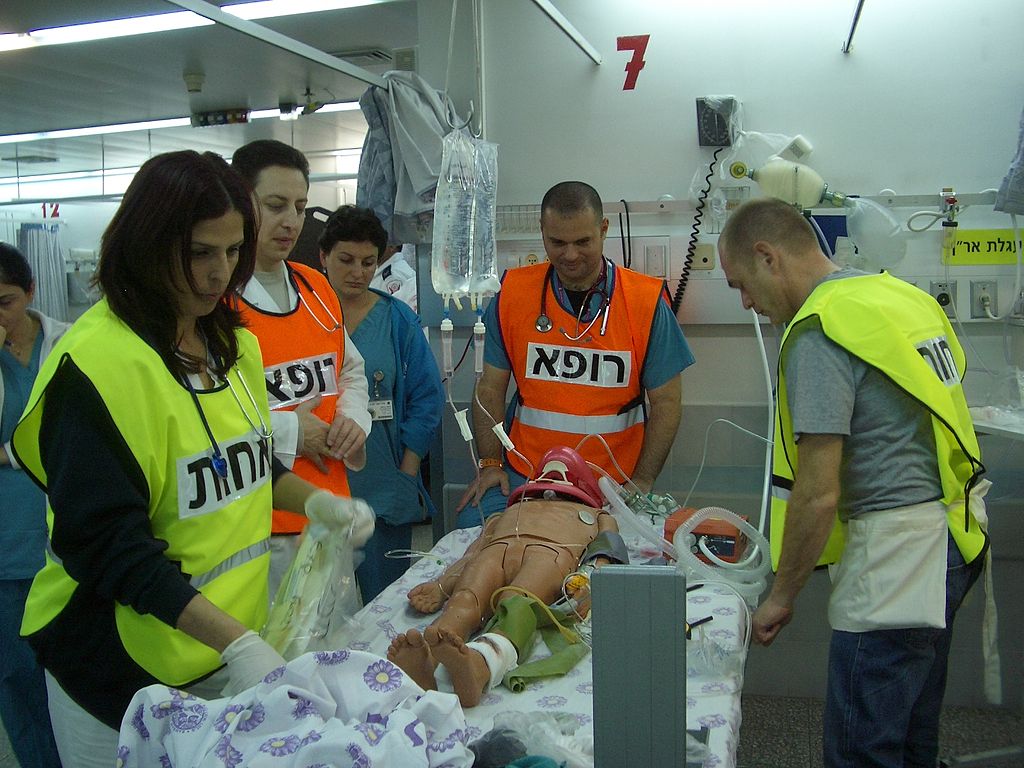
- Emergency management of trauma patient
- History taking and examination in orthopedic trauma
- X ray interpretation in orthopedic trauma
- Closed soft tissue injuries
- Management of closed fractures
- Gustilo Anderson classification of open fractures
- Management of open fractures
- Stress fractures
- Pathological fractures
- Physeal injuries
- Compartment syndrome
- Fracture complications: visceral, vascular and nerve injuries
- Fracture complications: joint stiffness, joint instability and osteoarthritis
- Joint injuries: sprains, strains, dislocations and subluxations
Orthopedic Trauma definition
- Orthopedic Trauma refers to injuries to bones, joints, ligaments, tendons caused by falls, motor vehicle accidents and sports.
- Orthopedic Trauma includes medical and surgical management of those injuries.
Fracture definition
- Fracture is a break or crack in the continuity of the bone, Can occur in any part of any bone
- Results in:
- pain
- swelling
- deformity
- instability
- change in sensibility
- loss of function
Other definitions
- Ligament is tissue connects bone with another bone while tendon connect muscle with a bone.
- Dislocation is movement of a bone from its normal position in its joint, due to stretch or tear of the ligaments and other structures holding the joint.
- Subluxation is partial dislocation of a bone within its joint.
- Sprain is ligamentous injury.
- Strain is injury to a tendon or to a muscle.
Bone types
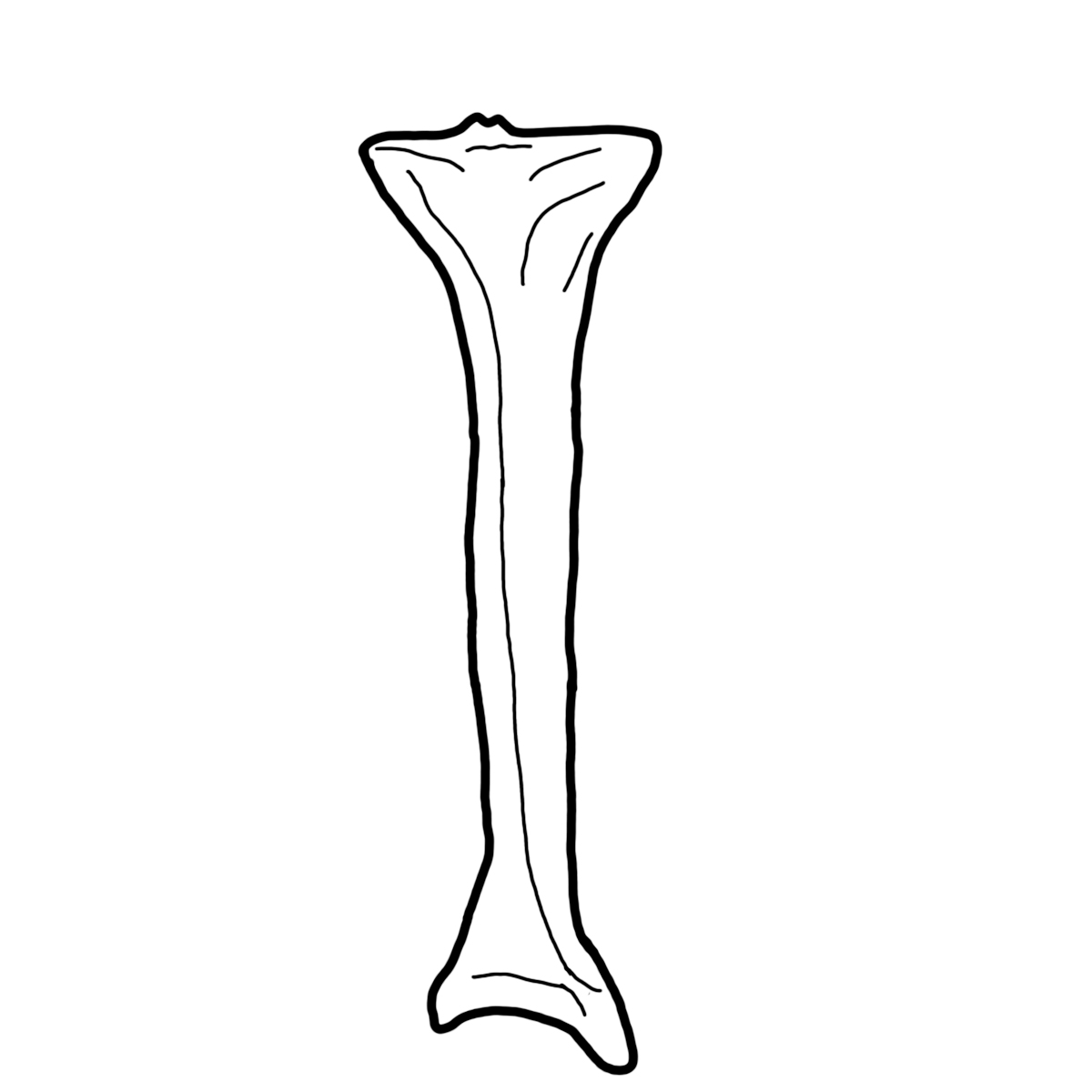
- Cortical bone
- Compact, dense, strong
- Found in the outer layer of the shafts of long bones, outer surface of flat bones such as skull, ribs and pelvis (80% of adult skeleton)
- Slow turnover rate (slower healing)
- Cancellous bone
- Trabecular, spongy, weaker than cortical bone
- Found in the ends of long bones and inner layer of their shafts and in the vertebral bodies, also found in inner layer of skull, ribs and pelvic bones (20% of adult skeleton)
- High turnover rate (faster healing)
Some terms
Continue learning
Practice the topics covered in this lecture.