
Pharmacology
Risperidone Pharmacology: Mechanism of Action, Therapeutic Uses & Adverse Effects
Source presentation · 4 min read
Edits save on this browser. Download a copy for your records.
Risperidone
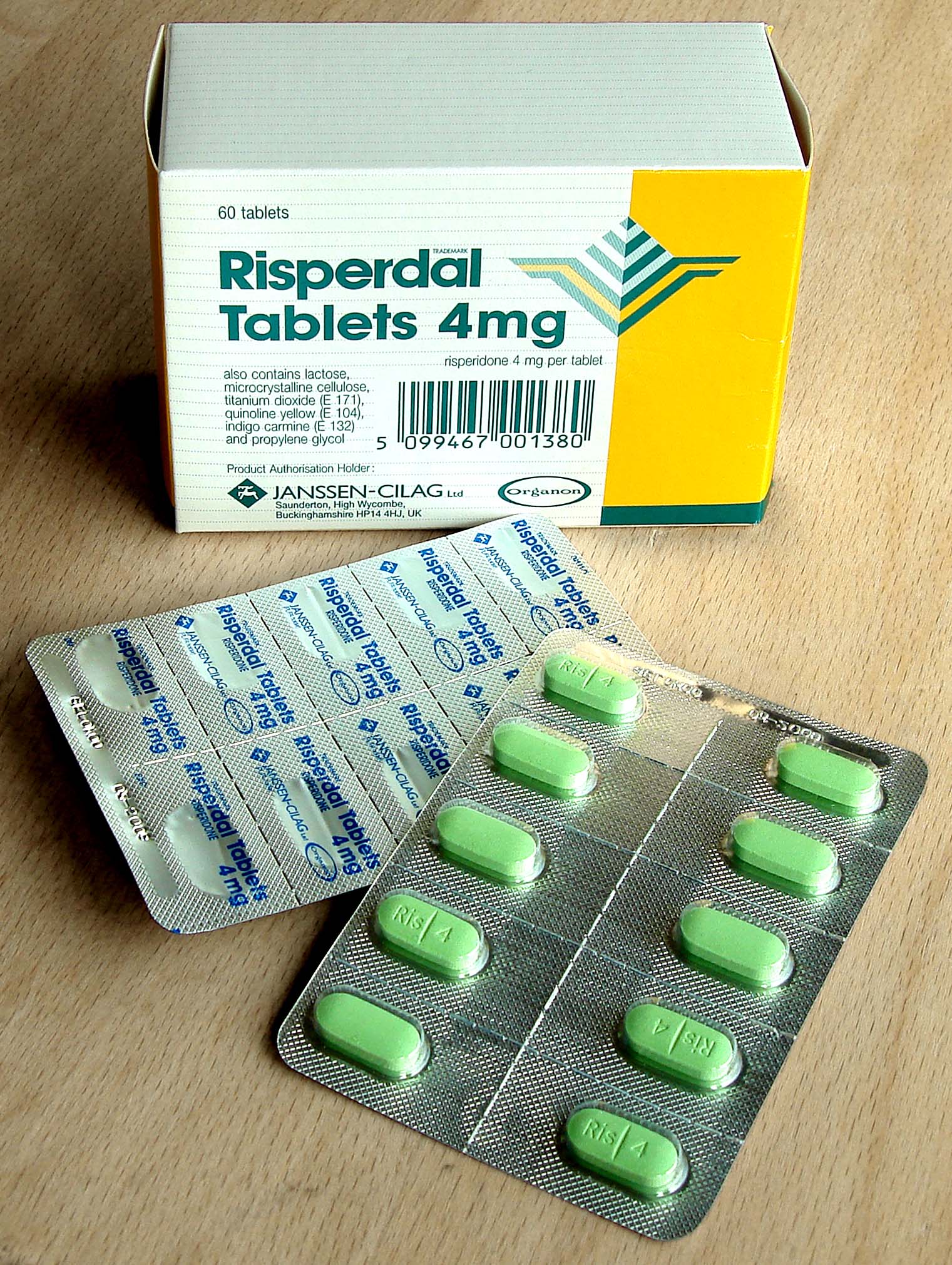
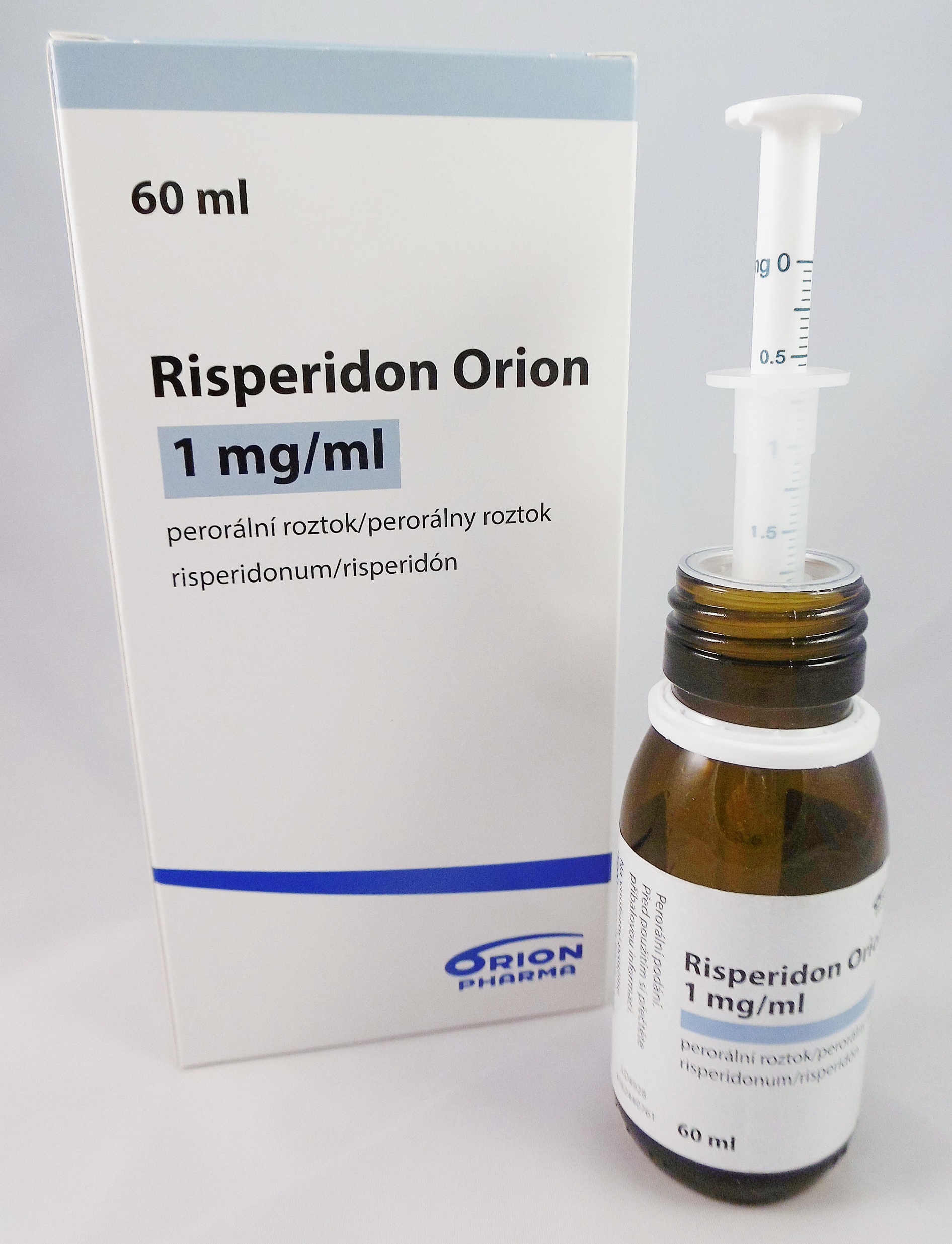
Overview
- Famous trade name is Risperdal
- It is atypical antipsychotic medication (new, second generation)
- It is used in treatment of schizophrenia and some other mental disorders and it is better tolerated than typical antipsychotics because of fewer side effects
- Risperidone synthesized in 1980 in Belgium
Pharmacokinetics
- Risperidone is available as oral, IM, and IV formulas, there is long acting injectables with duration of action of 2-4 weeks
- Long acting formulas provide improved compliance and reduced relapse rates compared to oral formulas
- Oral formula of the risperidone has good absorption with bioavailability of 70%
- It is metabolized by the liver by CYP enzymes especially CYP2D6
- excreted mainly through urine and it also excreted through feces
Mechanism of action
- Risperidone antagonizes serotonin 5HT receptors and dopamine D2 receptors
- BUT it has more serotonin antagonism than dopamine antagonism and that what it make different from typical antipsychotics
- Serotonin antagonism makes risperidone good in managing the negative symptoms of schizophrenia, like social isolation, poverty of speech, lack of motivation and inability to feel pleasure
- Antagonism of serotonin by this medication also lead to relief of some of the extrapyramidal side effects that occur as a result of dopamine antagonism
- BUT serotonin antagonism lead to weight gain and metabolic changes as adverse effects with the use of this medication
- Risperidone work by antagonizing dopamine D2 receptors in the brain
- It blocks dopamine in the mesolimbic and mesocortical pathway which lead to relieving of the psychosis
- It also blocks dopamine in the nigrostriatal pathway which lead to extrapyramidal symptoms as adverse effects
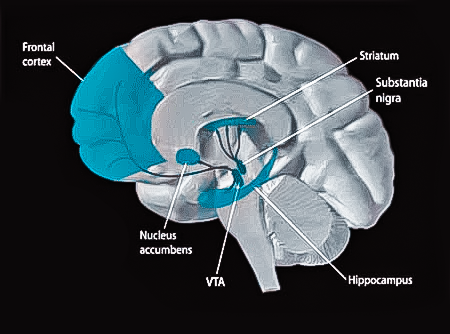
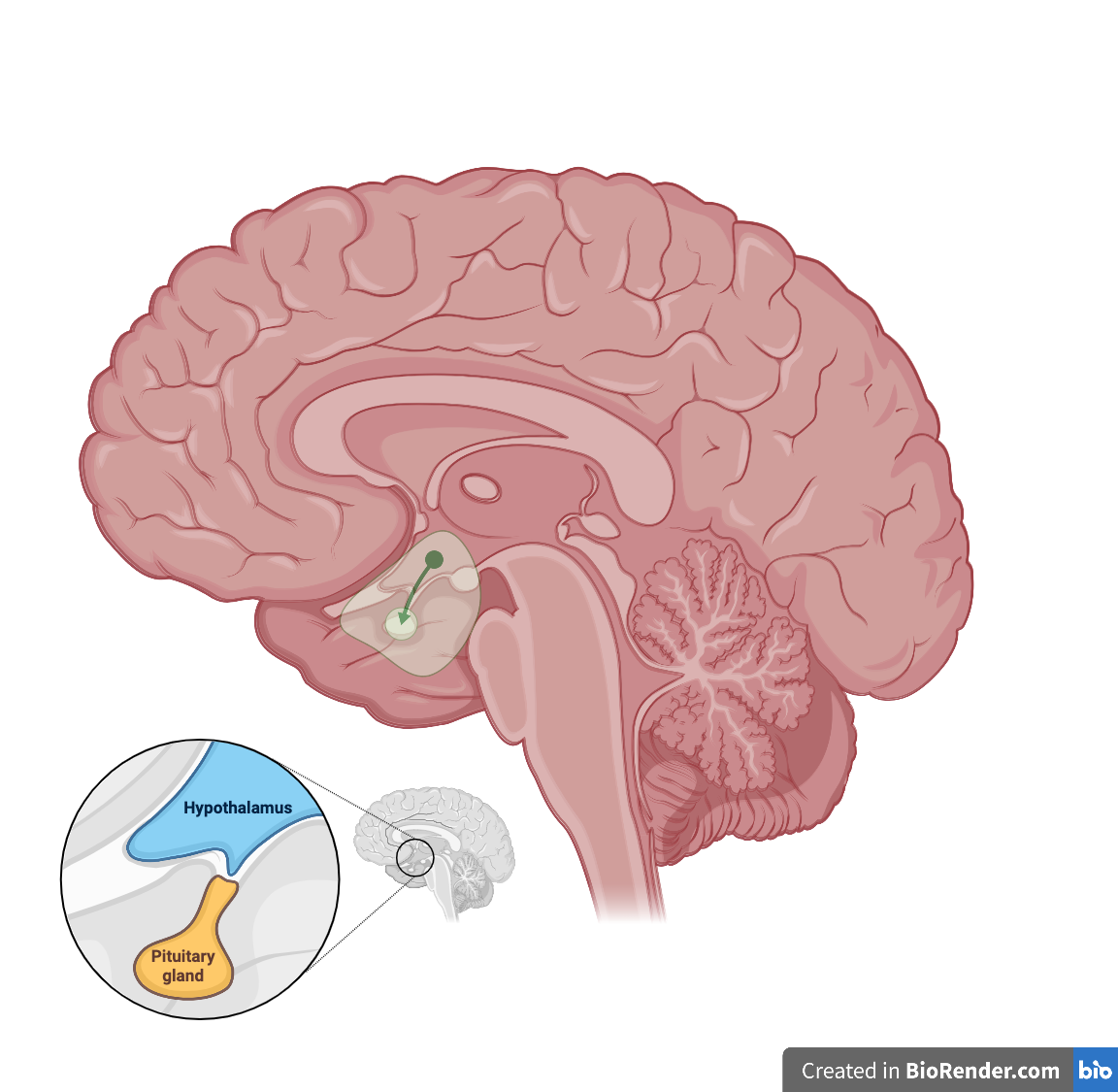
- It also blocks dopamine in the tuberoinfundibular pathway lead to hyperprolactinemia as an adverse effect
- It has anti histamine activity which lead to drowsiness
- It blocks alpha adrenergic receptors to some degree too
FDA approved therapeutic uses
- Schizophrenia (in adults and children aged 13 and older): risperidone is more effective in treating schizophrenia than all typical antipsychotics except for haloperidol
- Acute manic or mixed episodes of bipolar disorder: as monotherapy for adults and children aged 10 and older
- Acute manic or mixed episodes of bipolar disorder: as adjunctive with lithium or valproate
- Autism in children aged 5 and older: risperidone controls problematic behaviors, aggression, self injury and rapid mood changes
Non FDA approved therapeutic uses
- Dementia: they produce slight benefits in dementia patients, but there is increase risk of death (because it increase risk of stroke)
- Psychotic polydipsia
- PTSD, delirium, depression, borderline personality, conduct disorder and Tourette disorder
Dosing
- For schizophrenia: start with 1 mg daily then increase the dose by 0.5 mg every six to seven days to target 2 mg daily, doses exceeding 4 mg per day are rarely more effective, max dose is 16 mg per day; for elderly same dose except you increase by 0.25 mg every six to seven days instead of 0.5 mg
- For acute manic episodes of bipolar disorder: 2 to 3 mg daily dose, max dose is 6 mg per day
- Daily dose in both disorders can be taken at once or divided into two doses
Adverse effects
- Weight gain, high blood sugar levels and metabolic problems
- Sedation
- Hyperprolactinemia lead to sexual dysfunction
- Increase risk of seizures in seizure disorders patients
- Extrapyramidal symptoms (movement disorders): risperidone produce more extrapyramidal symptoms than other atypical antipsychotics does
- Acute dystonia: muscle spasm develops within hours to days after initiation
- Akathisia: restlessness develops days to months after initiation
- Tardive dyskinesia: uncontrollable repetitive movements develops after years of initiation
- Muscle rigidity
- Neuroleptic malignant syndrome
- Muscle rigidity
- Hyperthermia
- Autonomic disturbance
Warning
- There is increased risk of death if haloperidol is used in elderly patient with dementia related psychosis, that is why it is not FDA approved for this use
Contraindications
- Previous hypersensitivity reaction to the risperidone or paliperidone (risperidone metabolite)
Continue learning
Practice the topics covered in this lecture.