
Pathology
Intracellular Accumulations: Mechanism of Accumulation & Types- Lipids, Proteins, Carbon, Lipofuscin
Source presentation · 3 min read
Edits save on this browser. Download a copy for your records.
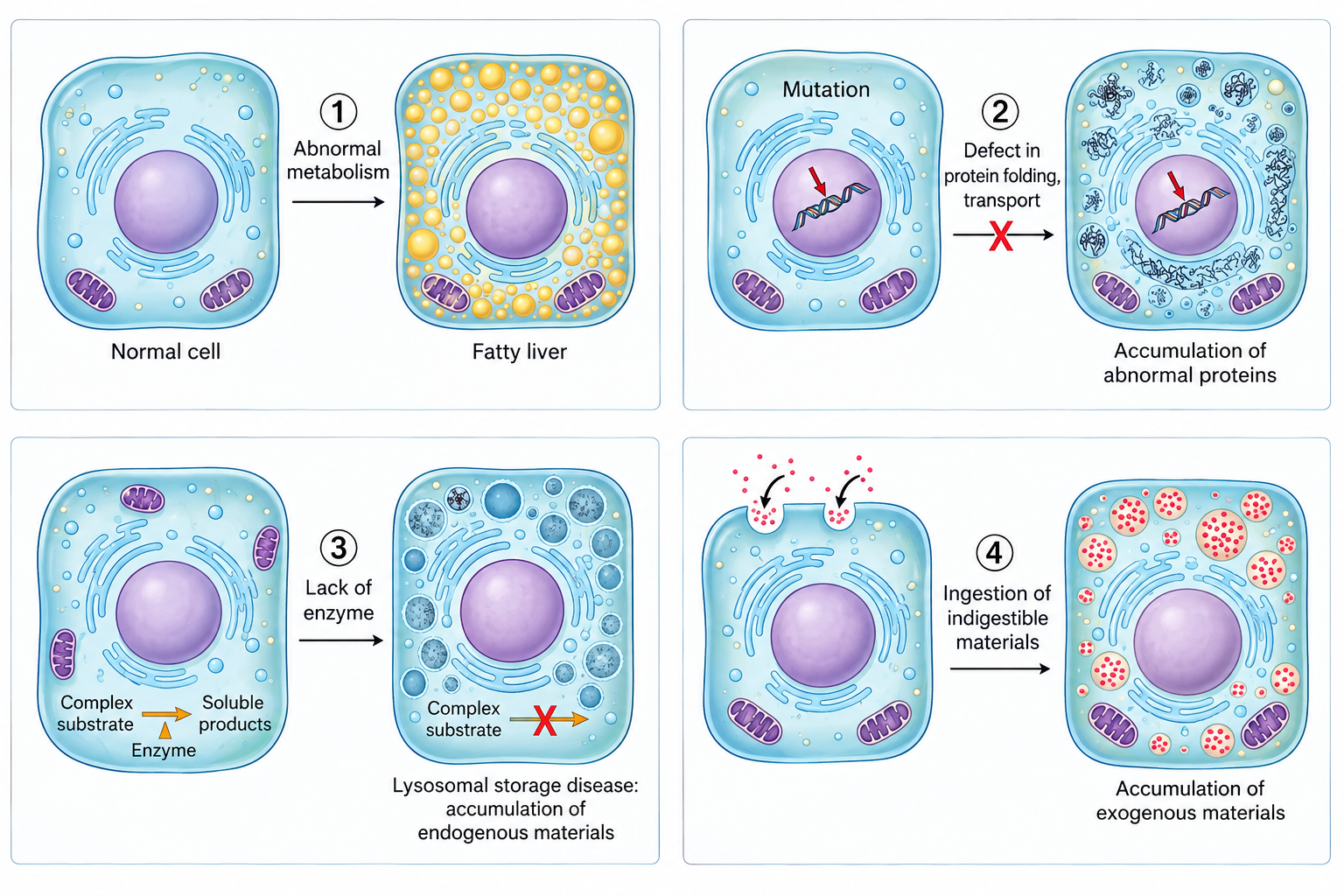
Mechanism of Intracellular Accumulations
- Inadequate removal and degradation of an endogenous substance
- Excessive production
- Deposition of abnormal exogenous material
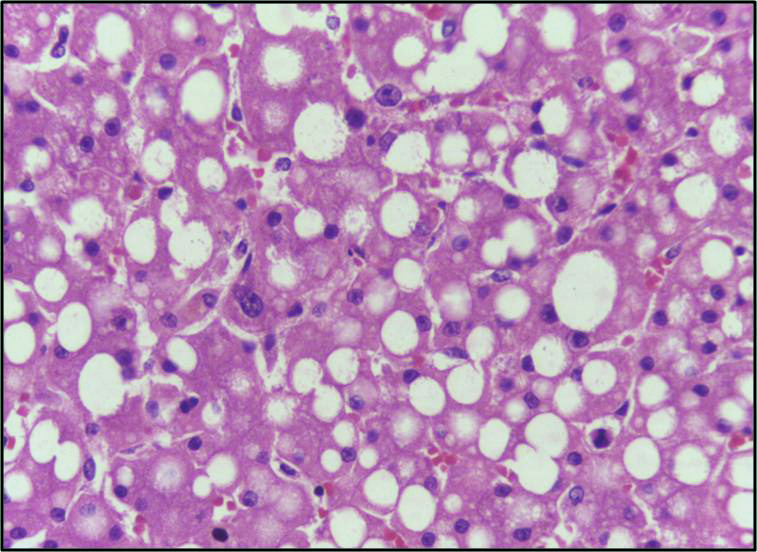
Fatty Change (Steatosis)
- Abnormal accumulation of triglycerides within cells
- Most often seen in the liver but also could occur in the heart, skeletal muscle, kidney and other organs
- Mostly caused by alcohol abuse and diabetes
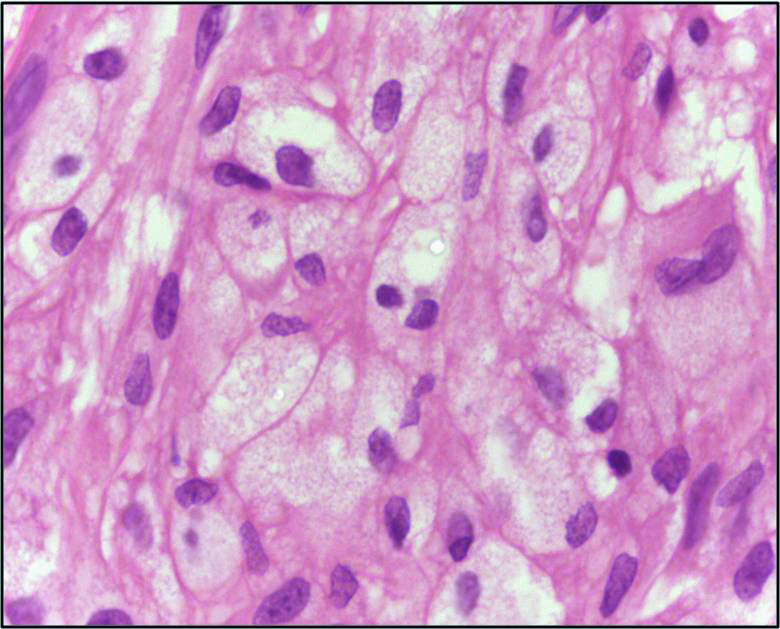
Cholesterol & Cholesteryl Esters
- Cellular cholesterol metabolism is highly regulated
- Phagocytic cells may become overloaded with lipids in pathologic conditions characterized by increased intake or decreased catabolism of lipids (e.g., atherosclerosis)
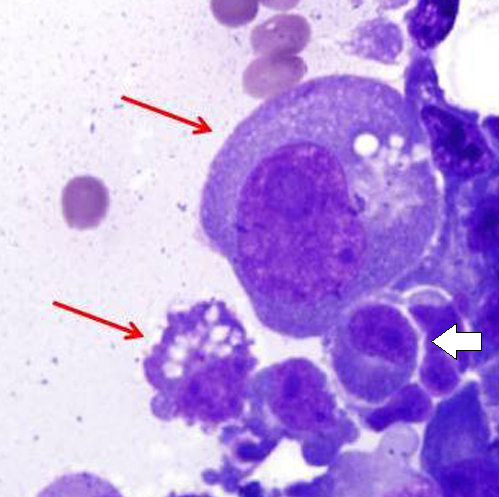
Proteins
- Less common than lipid accumulations
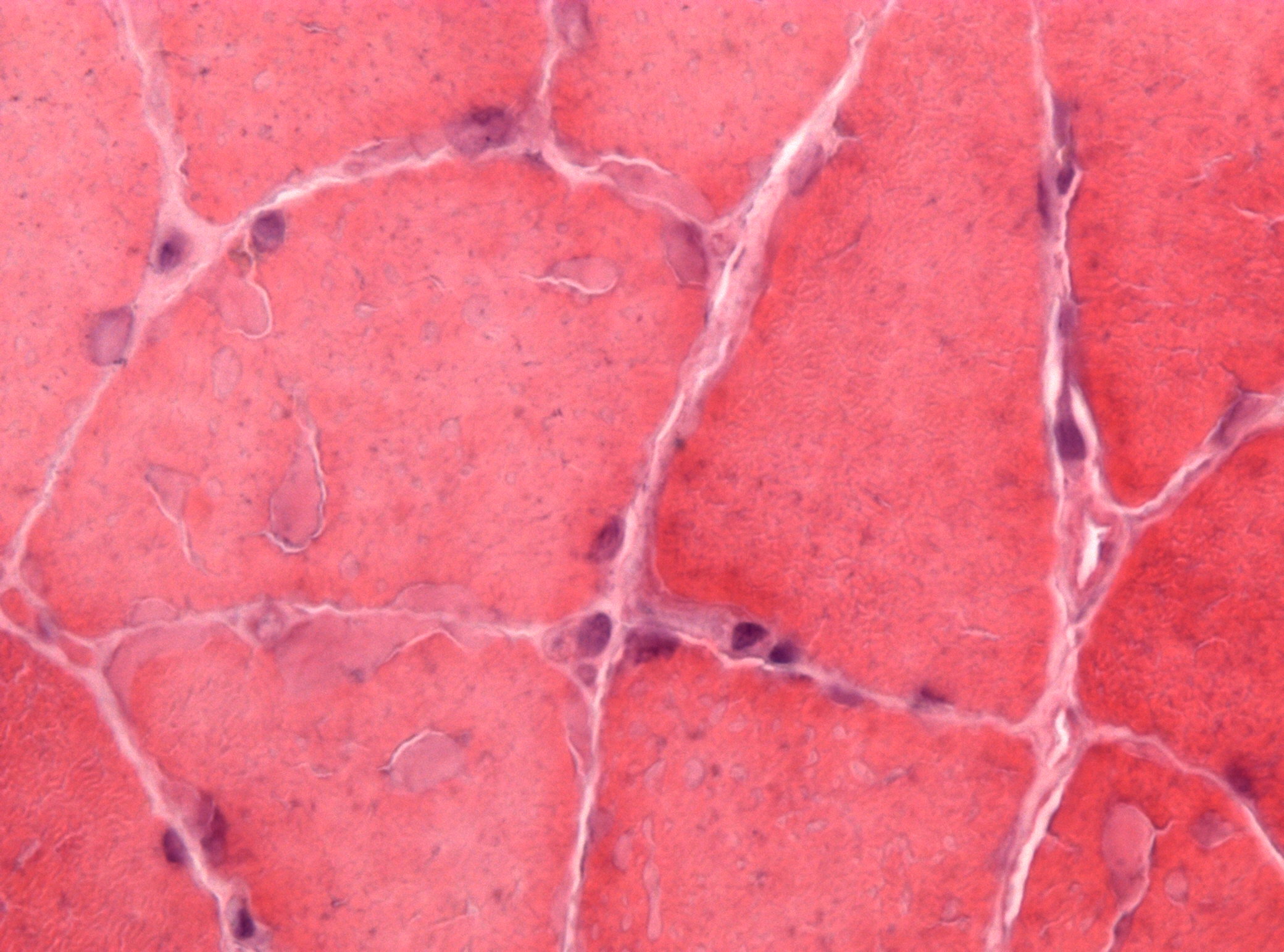
- In nephrotic syndrome, excessive amounts of resorbed albumin accumulate in vesicles in the tubular epithelial cells seen as pink, hyaline cytoplasmic droplets
- Marked accumulation of immunoglobulins in the rough ER of some plasma cells forming rounded, eosinophilic Russell bodies
Glycogen
- Associated with abnormalities in the metabolism of either glucose or glycogen
- Examples: Diabetes & Glycogen storage diseases
Pigments
- Pigments are colored substances that could be endogenous or exogenous
- Carbon
- Lipofuscin
- Melanin
- Hemosiderin
Carbon
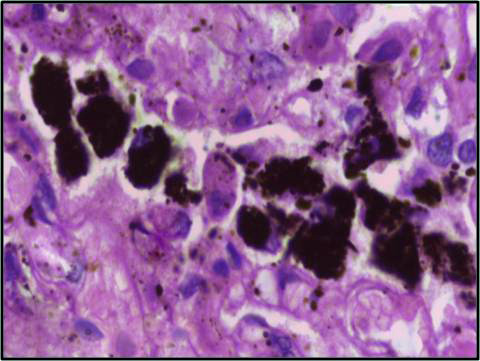
- Most common accumulated exogenous pigment (air pollutant)
- When inhaled, it is phagocytosed by alveolar macrophages and transported to lymphatic channels to the regional lymph nodes
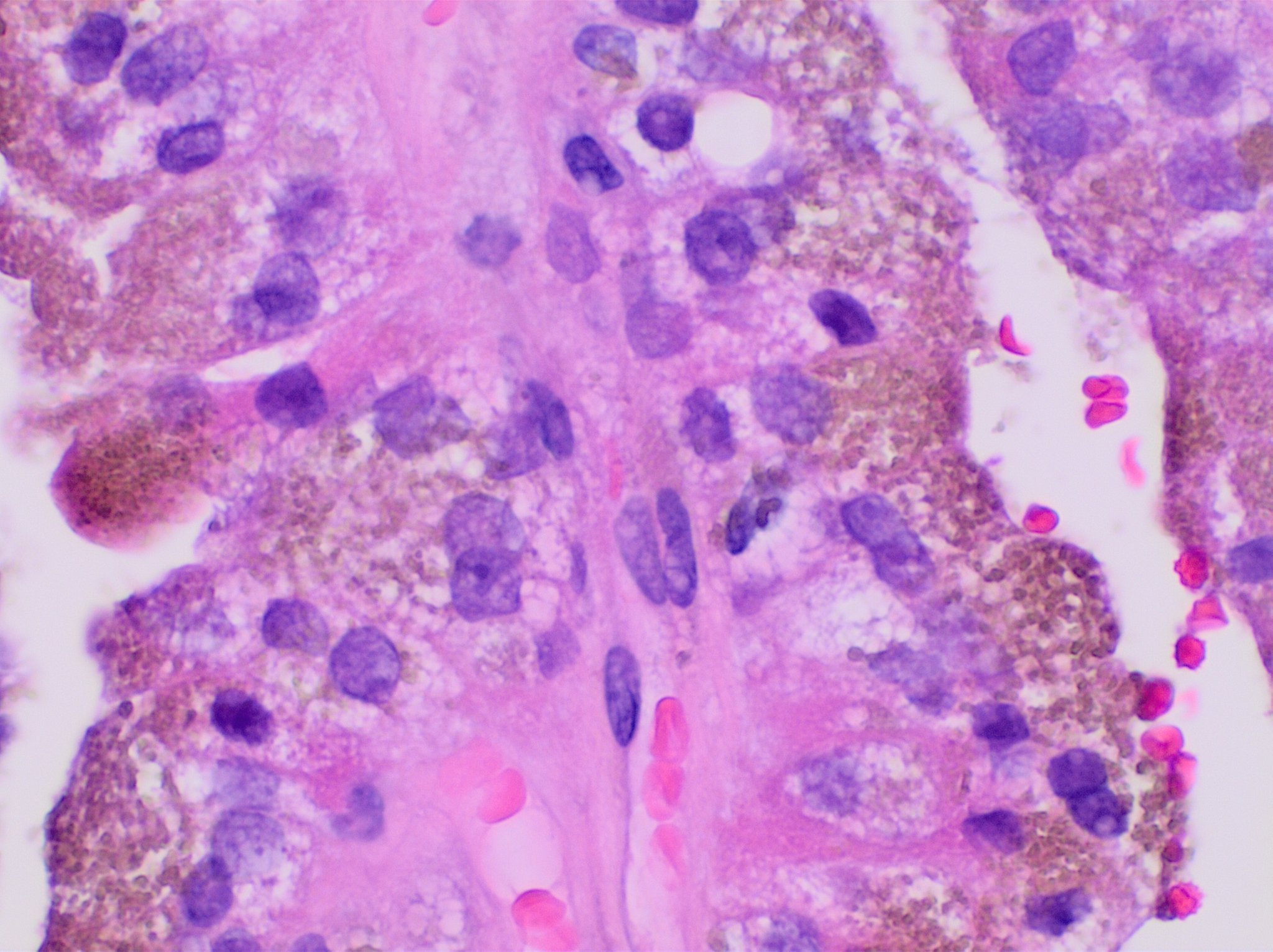
Lipofuscin
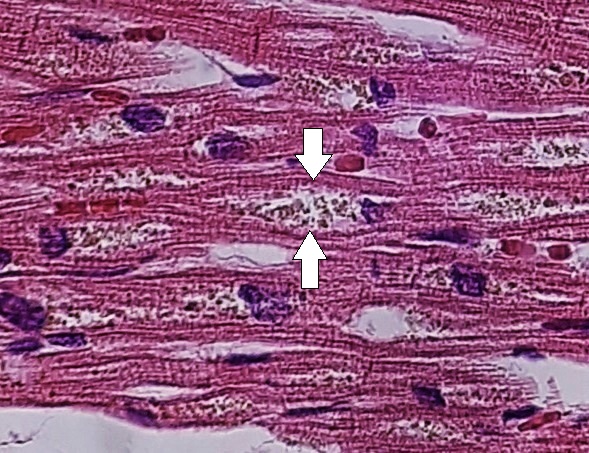
- Insoluble brownish- yellow granular intracellular pigment
- Accumulates in heart, liver, and brain
- Occur with aging (wear and tear pigment)
Melanin
- Brown-black pigment that is synthesized by melanocytes
- Acts as a screen against harmful ultraviolet radiation
Hemosiderin
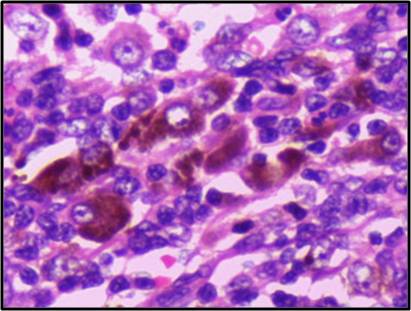
- Yellow to brown granular pigment derived from hemoglobin
- Accumulates in tissues where there is a local or systemic excess of iron
- Hemosiderin accumulations are usually pathologic except small amounts in bone marrow, spleen and liver phagocytes
Continue learning
Practice the topics covered in this lecture.