
Pharmacology
Introduction to Diuretics Pharmacology | The Basics are Explained
Source presentation · 3 min read
Edits save on this browser. Download a copy for your records.
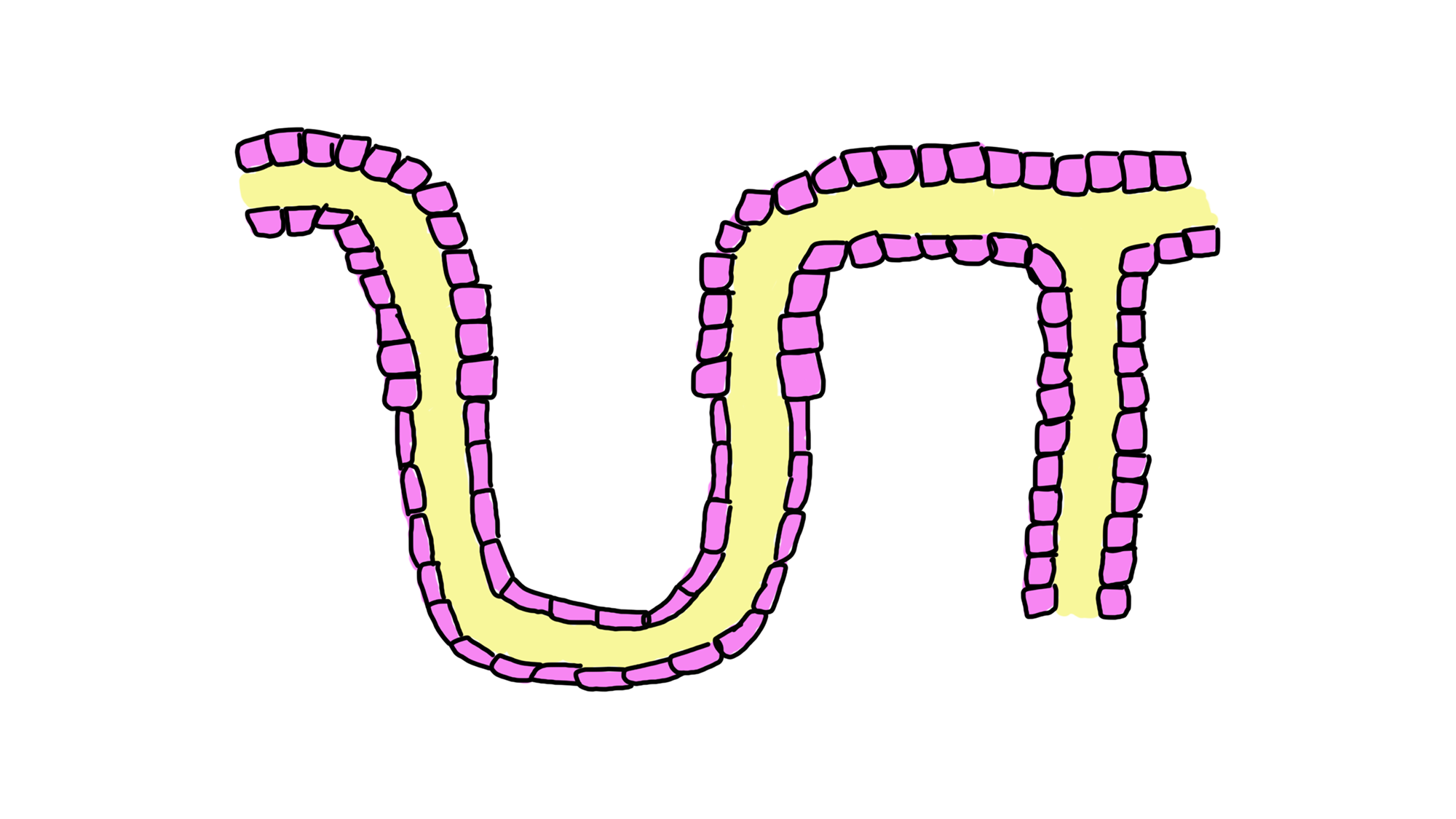
Major locations of ion and water exchange in the nephron and action sites of diuretics
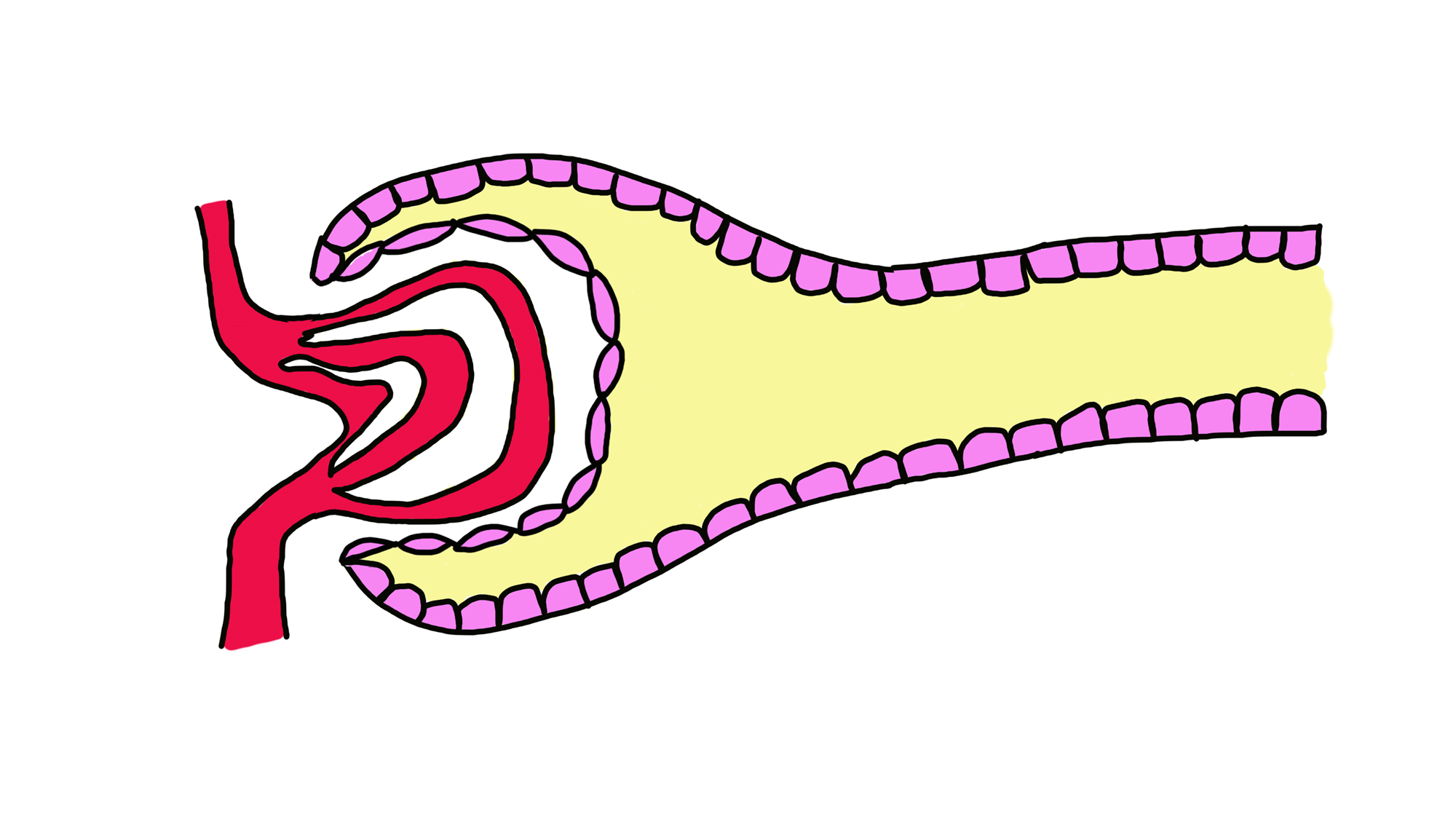
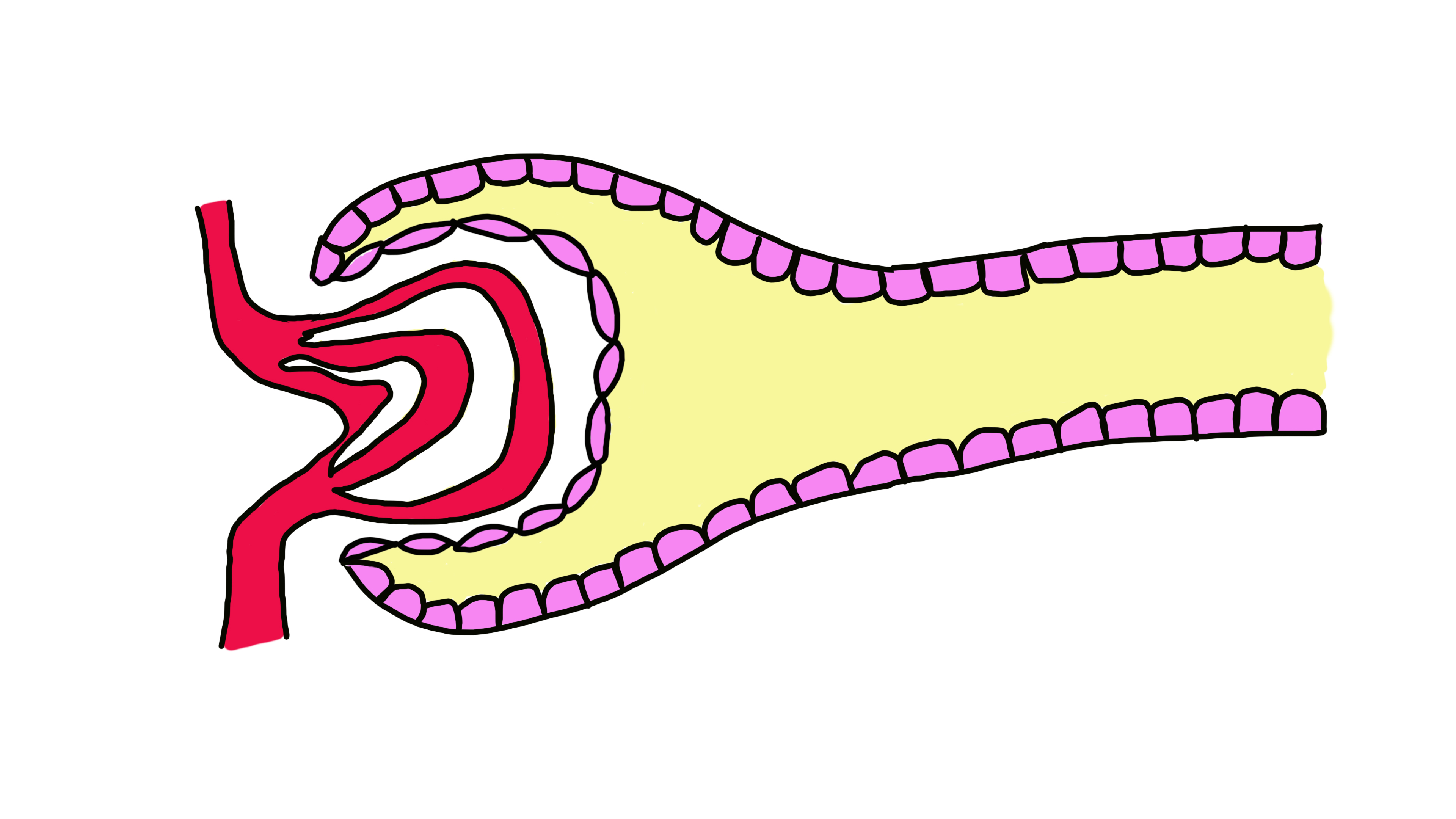
- Blood enters the nephron from the afferent arteriole to the glomerular tuft and then goes out to the efferent arteriole, the water that going to the bowman capsule is called GFR and normal value is about 125 ml/min,
- If we multiply 125 to 60 to 24 we would get the total amount of filtrate per day which is about 180 l/d
- The filtrate contains water, different organic compounds, ions except for proteins because the glomerular basement membrane won’t allow it to
- And 99% of filtrate is reabsorbed again and that’s why our urine volume don’t exceed 1.5 liters per day
Water is reabsorbed passively and it almost always moves with sodium (salt and water)
- 65% of filtraeted sodium is actively reabsorbed in the proximal convoluted tubule and of course same amount of water is reabsorbed too, proximal convoluted tubule also actively reabsorbs k, ca, mg, amino acids, organic compounds
- Also in proximal convoluted tubule there is secretion of compounds like uric acid which reabsorbed again by the proximal convoluted tubule
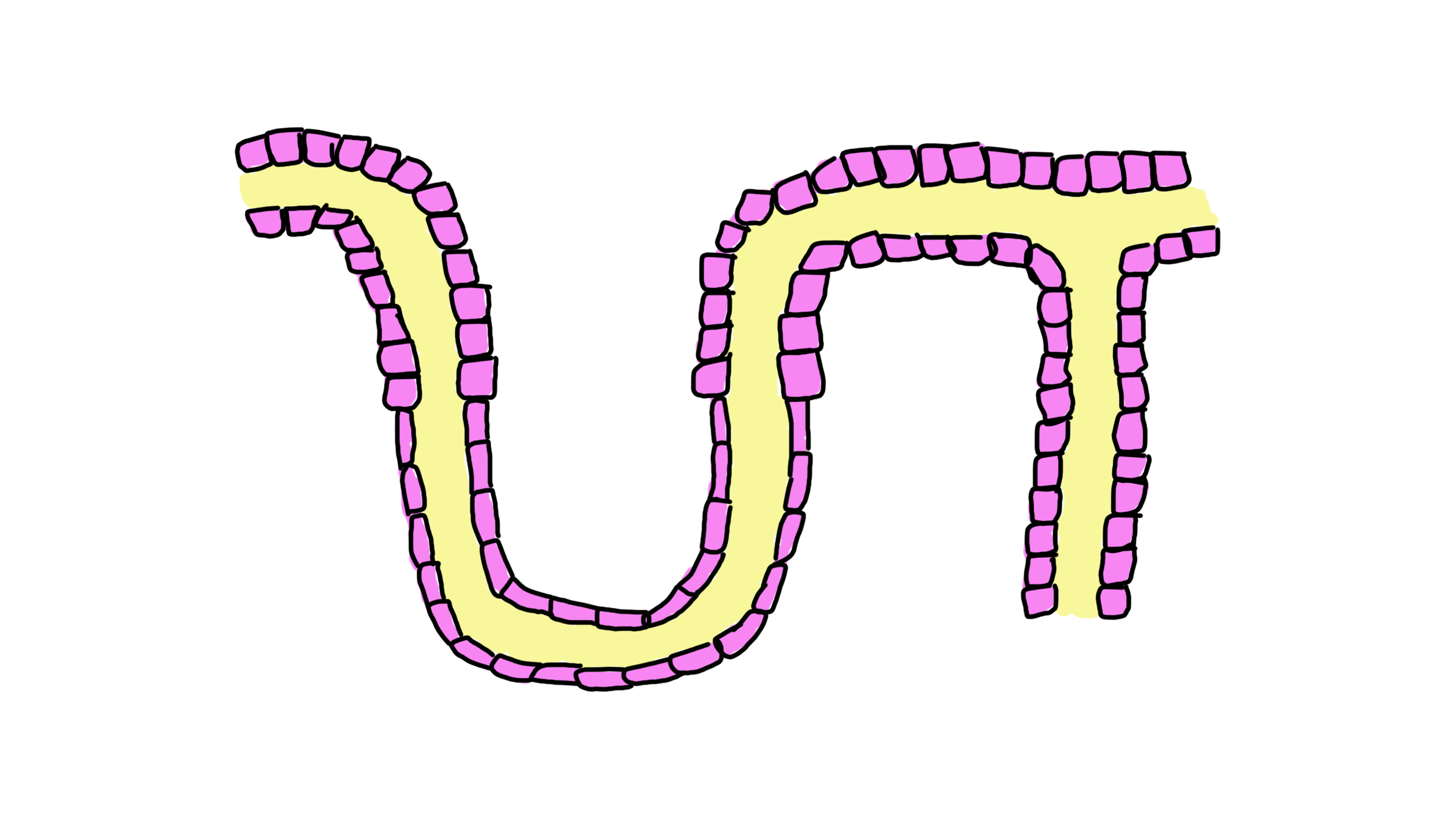
Tubular fluid moves after the proximal tubule into the descending part of henle
- Then into the ascending part where the na is reabsorbed by 25% by NaKcc2 transporter and also the part where majority of ca and mg is reabsorbed
- The ascending part of loop of henle is impermeable to water, so the descending part is going to absorb the 25% of water
- Soo loop of henle absorbe 25% of sodium and water
- The filtrate moves to the distal convoluted tubule
- By the proximal part of distal convoluted tubule 5-7 % of water and sodium are reabsorbed by na cl transporter and the rest of ca is reabsorbed there by the help of parathyroid hormone
- By the distal part of distal convoluted tubule 2- 5% of sodium and water are reabsorbed there by the help of aldosterone in expense of potassium and hydrogen
- And there rest of water is reabsorbed by ADH in collecting duct
So diuretics are drugs that make kidney lose water but to make it do that, they have to make it lose sodium in the beginning
- We have loop diuretics that work on nakcc2 in loop of henle and that lead to lose of na cl k and water and ca and mg and hydrogen ion
- Thizides work on nacl transporter in distal convoluted tubule in lead to lose of na and cl and water
- Potassium sparing diuretics work on aldosterone to lose na and h2o and conserve hydrogen and potassium
Continue learning
Practice the topics covered in this lecture.