
Clinical medicine
Hernia Treatment: Principles of Treatment, Surgical Approach, Mesh Types & Positioning
Source presentation · 3 min read
Edits save on this browser. Download a copy for your records.
Hernia Treatment
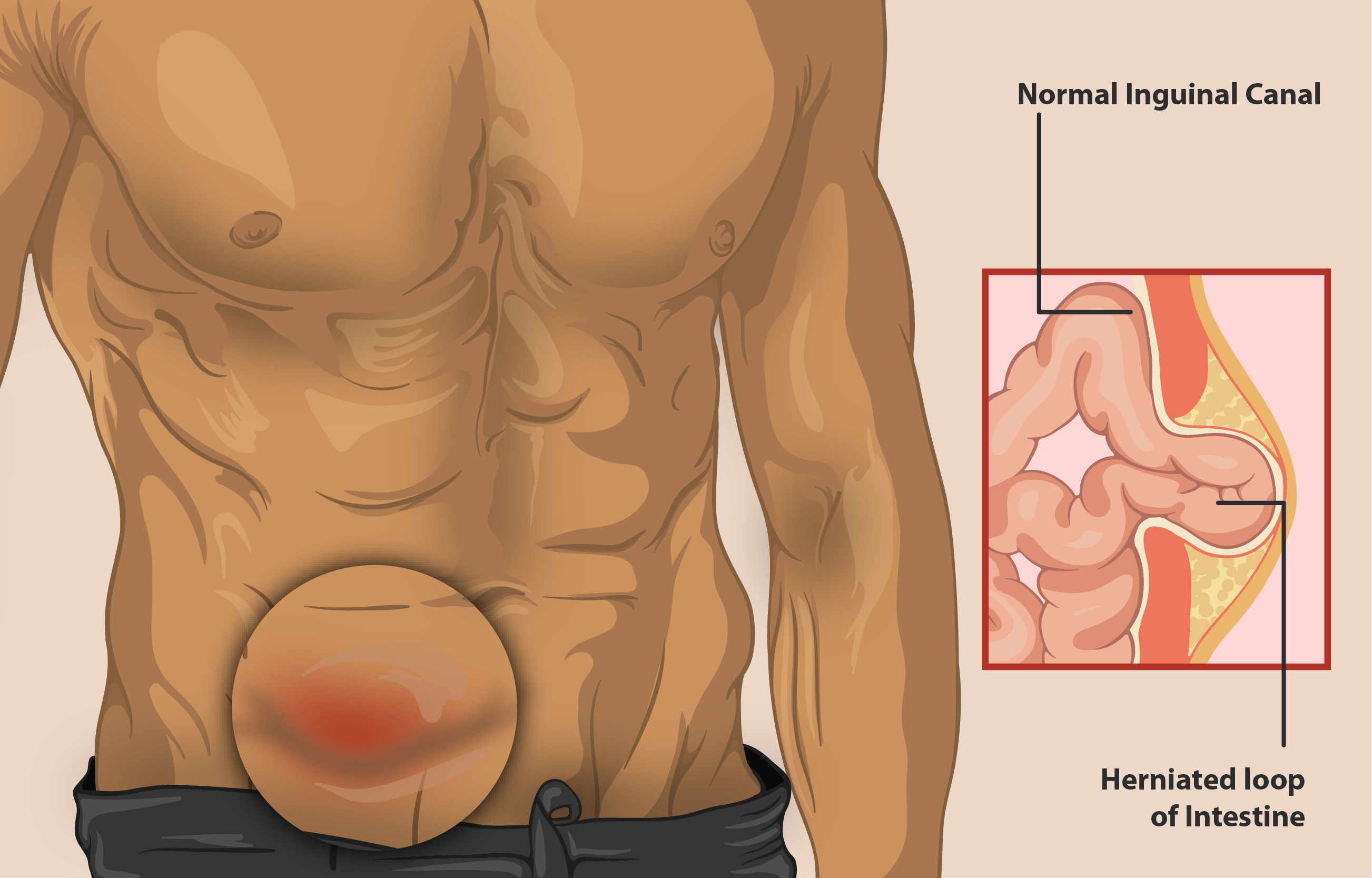
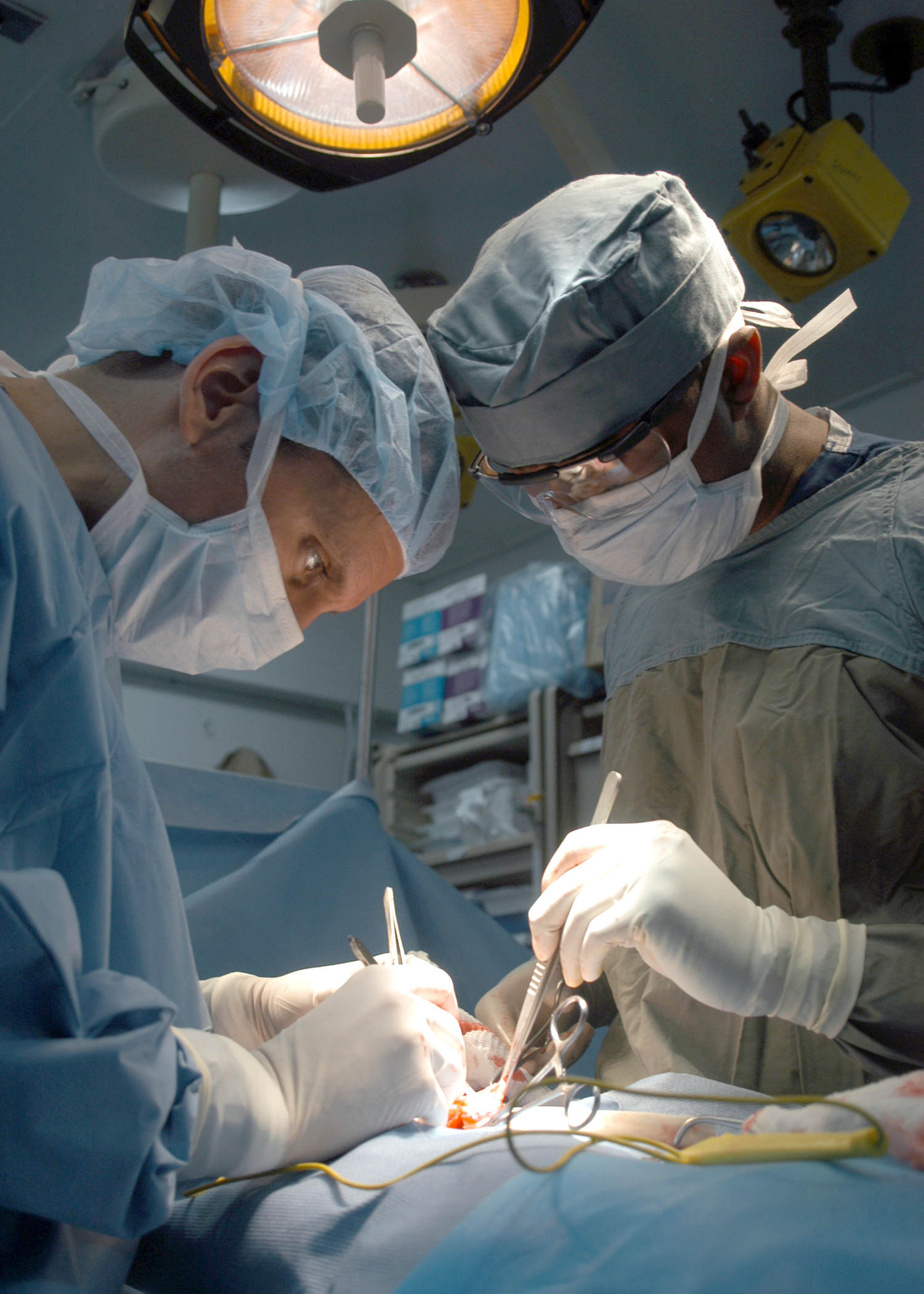
Principles of hernia treatment
- Hernia is treated with surgical repair (there is no conservative therapy for hernia)
- Reducible abdominal wall hernia doesn’t necessarily require repair, unless the patient request the repair for symptomatic relief, or for cosmetic reasons
- Surgeon might request the repair to establish diagnosis if in doubt
- Irreducible abdominal wall hernia always require repair, because if not repaired then complications are likely to occur (e.g. bowel obstruction, strangulation and infarction), if patient tolerance for surgery or anesthesia is in doubt (due to morbidity) then irreducible hernia surgery is done only if benefits outweigh risks
- All cases of femoral hernia should be repaired because of high risk of strangulation associated with this type of hernia
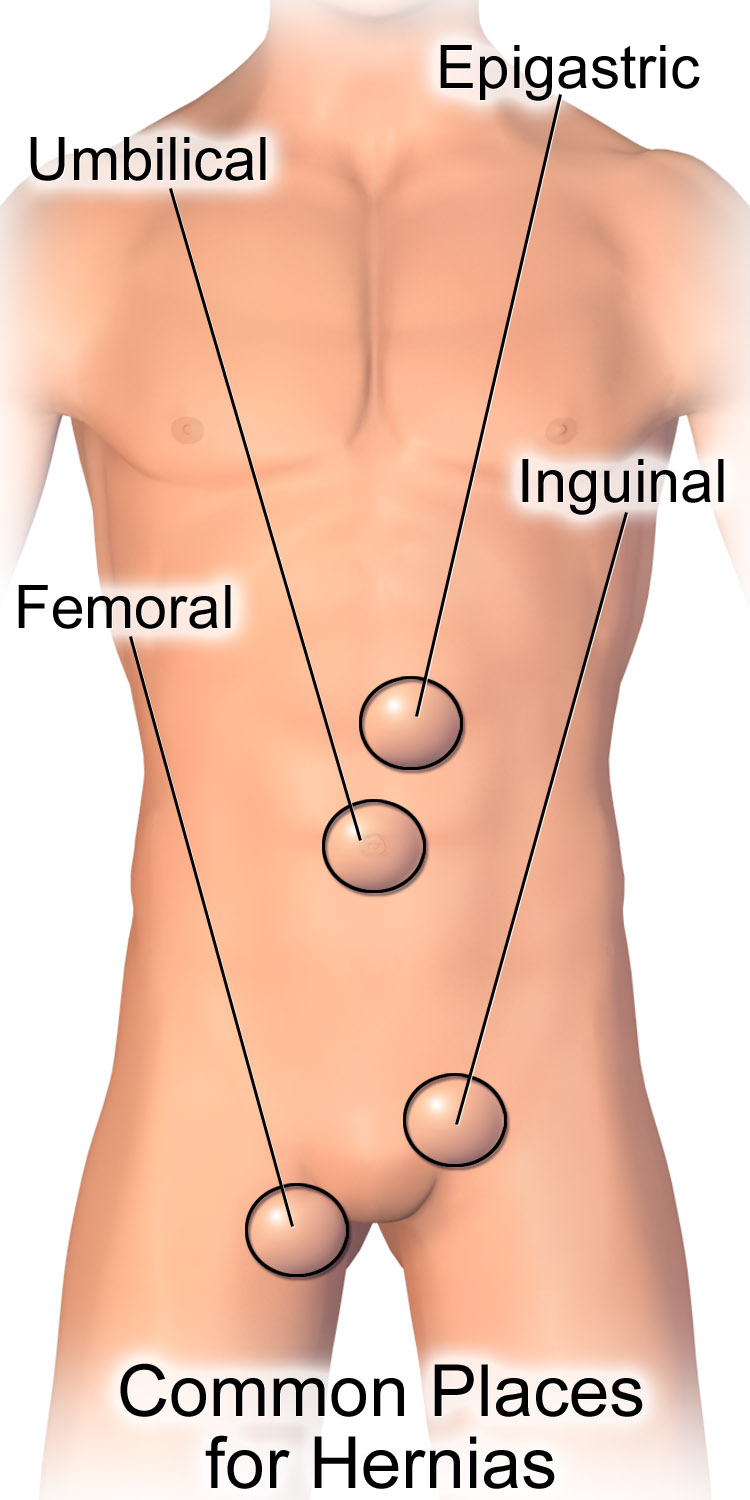
- Reducible hernia with increasing difficulty in reduction and increasing size are also indications of surgery
- Smaller hernias can be more dangerous than larger ones due to higher risk for strangulation
Surgical approach to hernia
- All hernias are treated through following these steps
- Reduction of the hernia content into the abdominal cavity with debridement and bowel repair if necessary
- Excision and closure of a peritoneal sac if present and reducing it back deep to the muscles
- If peritoneal sac is left without it being reduced, there is a risk of fluid formation within the sac (seroma)
- All hernias are treated through following these steps
- Closure of the abdominal wall defect is ideal, but it might be impossible if the defect is large, Muscle flap can be used to close large defects
- The defect can be closed with sutures alone but this method is associated with high recurrence rates, additional reinforcement of the defect with a non absorbable mesh is better and lowers the recurrence rates
Mesh used in hernia repair
- It is a prosthetic material, it can be a net or a flat sheet
- It is used to strengthen the abdominal wall defect, so the abdominal organs and fatty tissues can not protrude through the defect again (it lowers hernia recurrence)
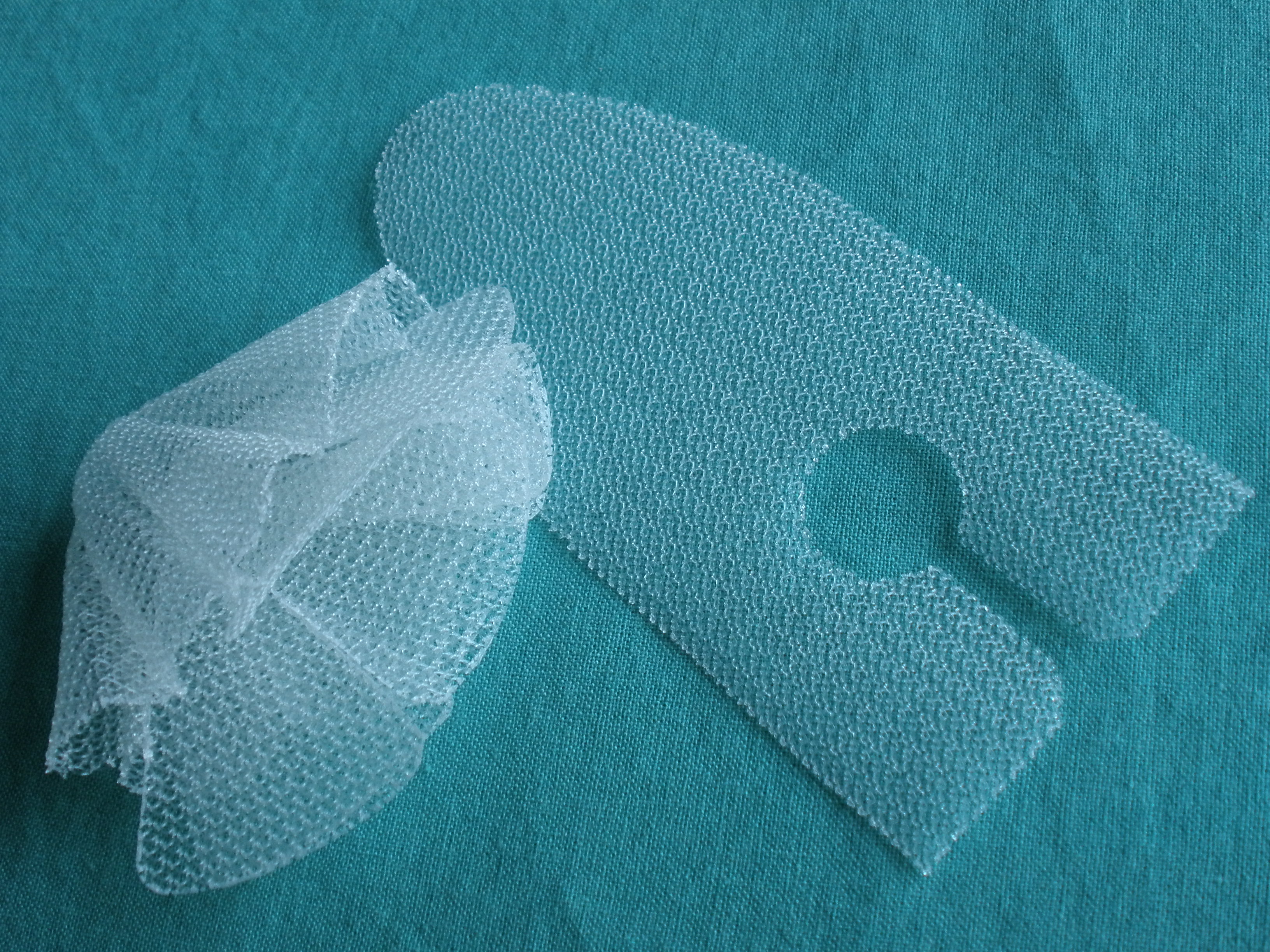
Mesh types
- Synthetic mesh
- the most commonly used type
- Synthesized from polypropylene, polyester or PTFE
- Most of them are non absorbable but there is some that are absorbable but rarely used
- Biological mesh
- Derived from human or animal dermis, bovine pericardium or porcine intestinal mucosa
- Quite expensive
Positioning of the mesh
- Mesh should be placed on a firm and well vascularized bed with good overlap with the defect
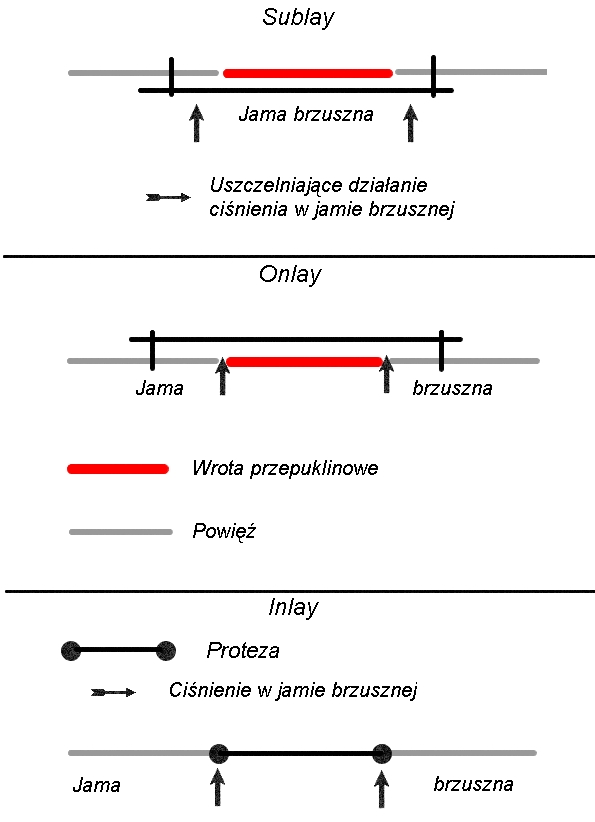
- Mesh could be placed
- Onlay: just outside the muscle in the subcut space
- Inlay: within the muscle (muscle that has the defect in it)
- Extraperitoneal sublay: immediately under the muscle
- Intraperitoneal sublay: inside peritoneal cavity
Continue learning
Practice the topics covered in this lecture.