
Pharmacology
Naloxone Pharmacology: Treatment of Opioid Overdose, Mechanism of Action & Adverse Effects
Source presentation · 4 min read
Edits save on this browser. Download a copy for your records.
Naloxone
Overview
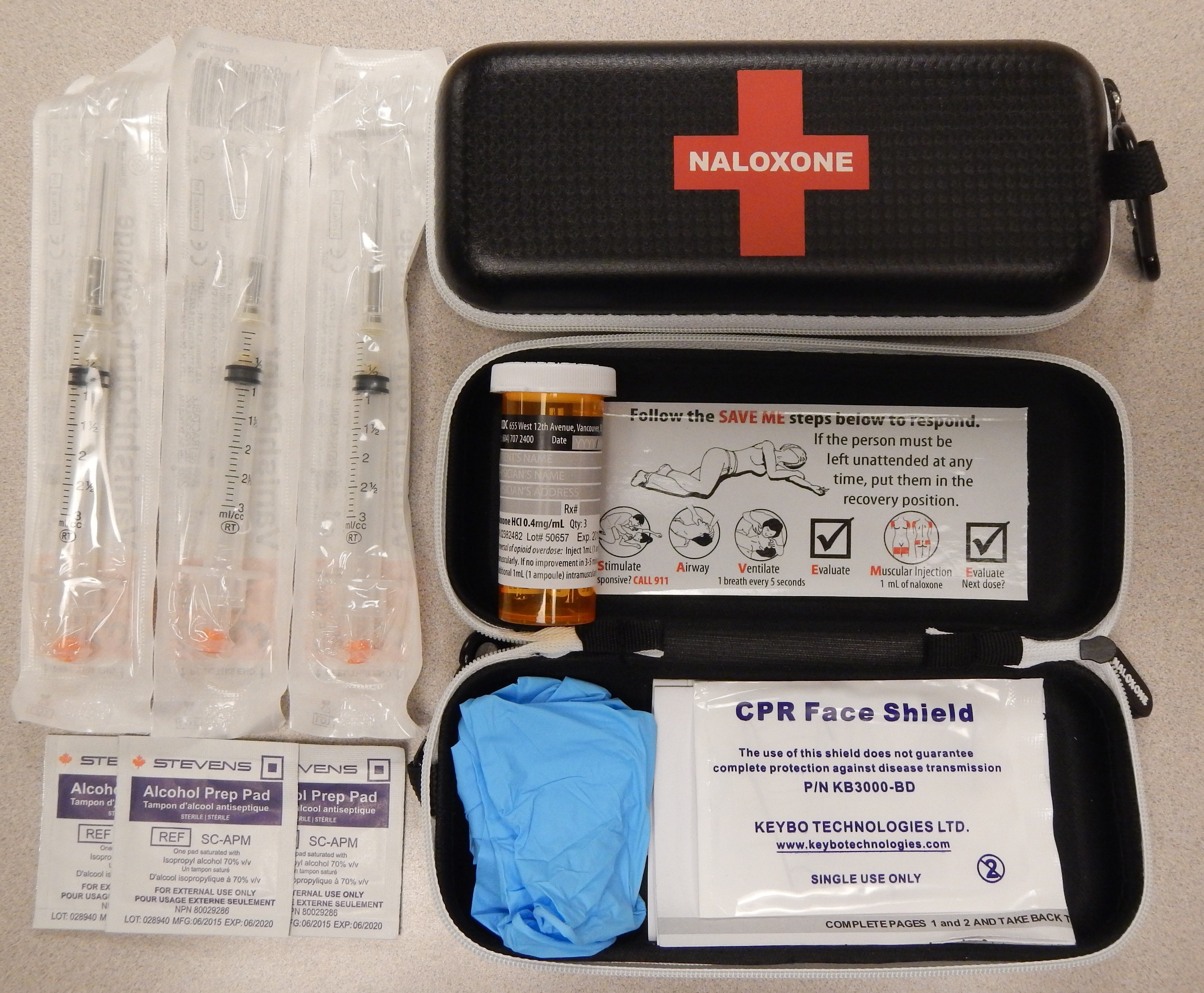
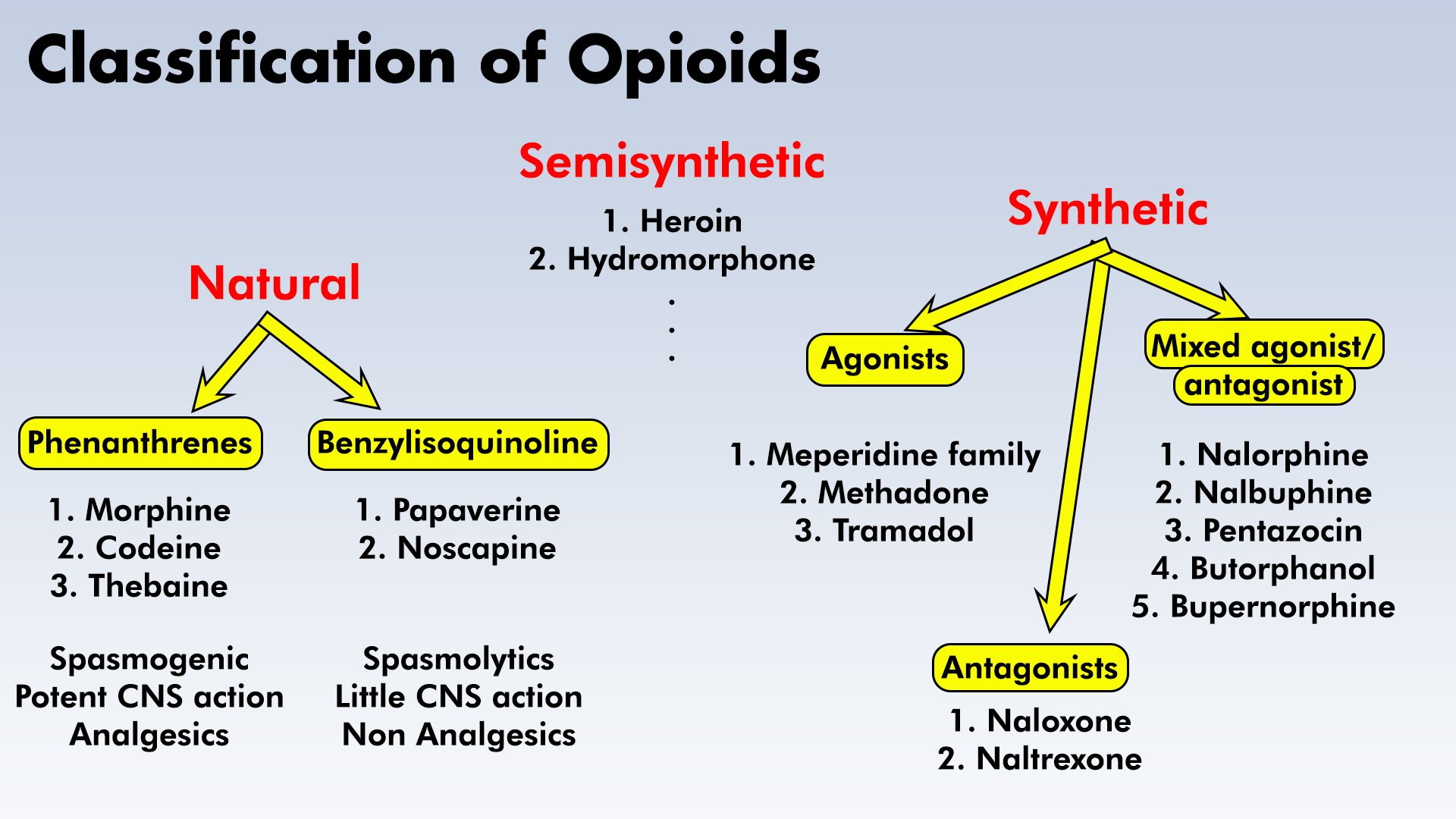
- Naloxone is a synthetic opioid antagonist medication
- It is famous for being used to counter the respiratory depression that occur with opioid overdose thus it is life saving medication
- It was synthesized in 1961 by Mozes Lewenstein and Jack Fishman
Pharmacokinetics
- Naloxone is mostly available as IV formula with a short duration of action (around 1-2 hours), it is also available IM, sub cut and intranasal
- Oral formula not used because of extensive first pass metabolism (bioavailability is 2%)
- Bioavailability of intranasal formula is 50% and the IV, IM are 100%
- Metabolized by conjugation
- Half life is from 30- 80 minutes
Mechanism of action
- Binds to the opioid receptors (mu, delta, kappa) and act as a competitive antagonist on these receptors and it has 10 times higher the affinity for mu opioid receptors, and that is why it is very good in reversing respiratory depression associated with the morphine and other opioid agonists
- Administration of naloxone in patient not taking opioids would not produce any effect
- In opioid dependent patients, antagonists rapidly reverse the effect of agonists (e.g. the effect of morphine) leading to withdrawal syndrome (explained in adverse effects chapter of this video)
Therapeutic uses
- Opioid overdose: given IV to full agonist opioids overdose (e.g. morphine)
- respiratory depression, level of consciousness, awareness of pain, cardiac arrest and other effects of opioid overdose are reversed within 1-2 min after IV naloxone administration and lasts for 1-2 hours duration
- Patients who treated with naloxone IV may go back to respiratory depression after the duration of action of naloxone is over, so it has to be administered multiple times until the drug that caused overdose duration end
- Low dose naloxone 0.04 mg used in treatment of adverse effects associated with IV or epidural opioids
- Naloxone also used in treatment of clonidine overdose (antihypertensive med)
- It is given during labor to mothers who received opioids to prevent neonatal respiratory depression or it can be given to the neonate via the umbilical cord
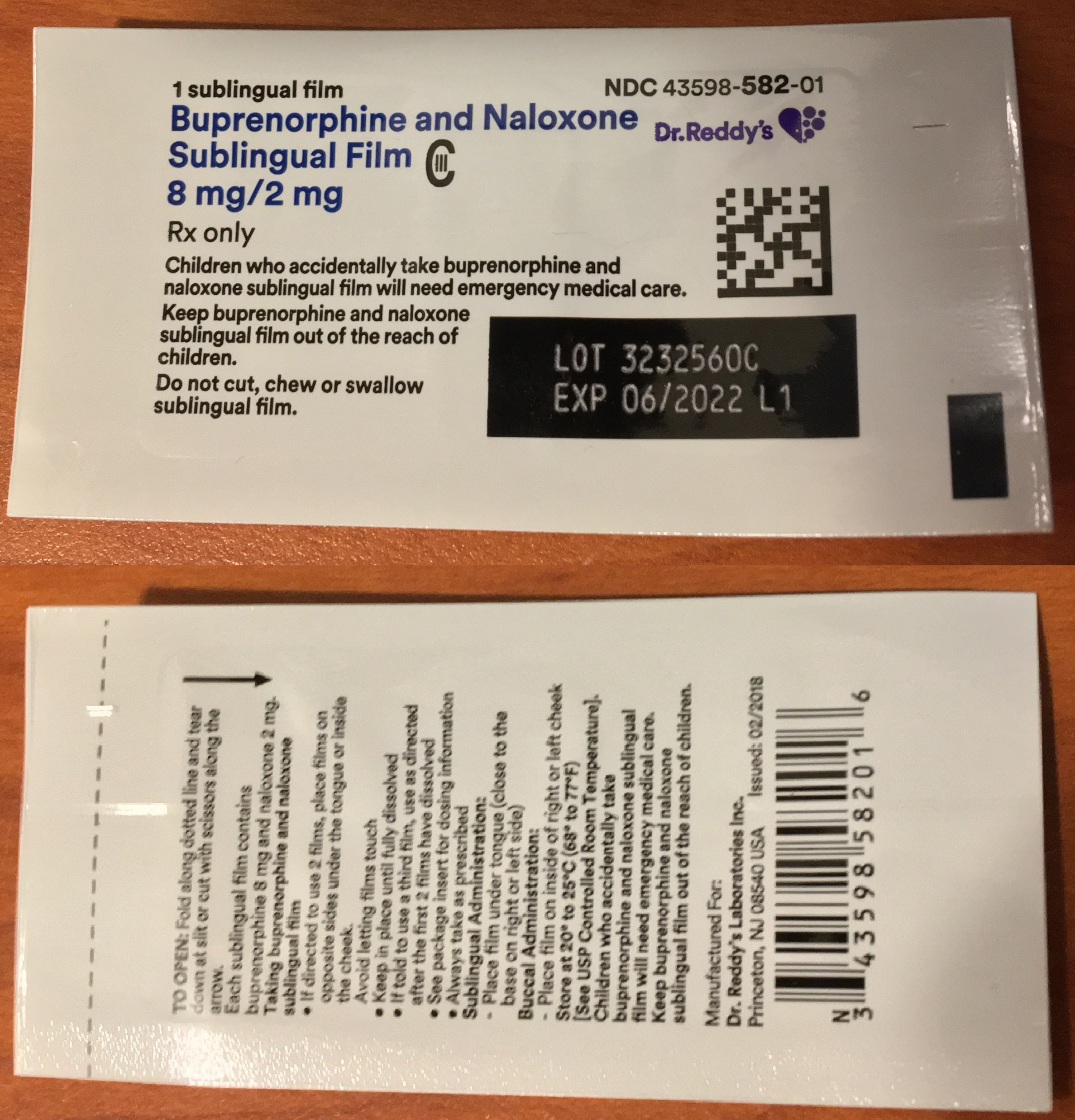
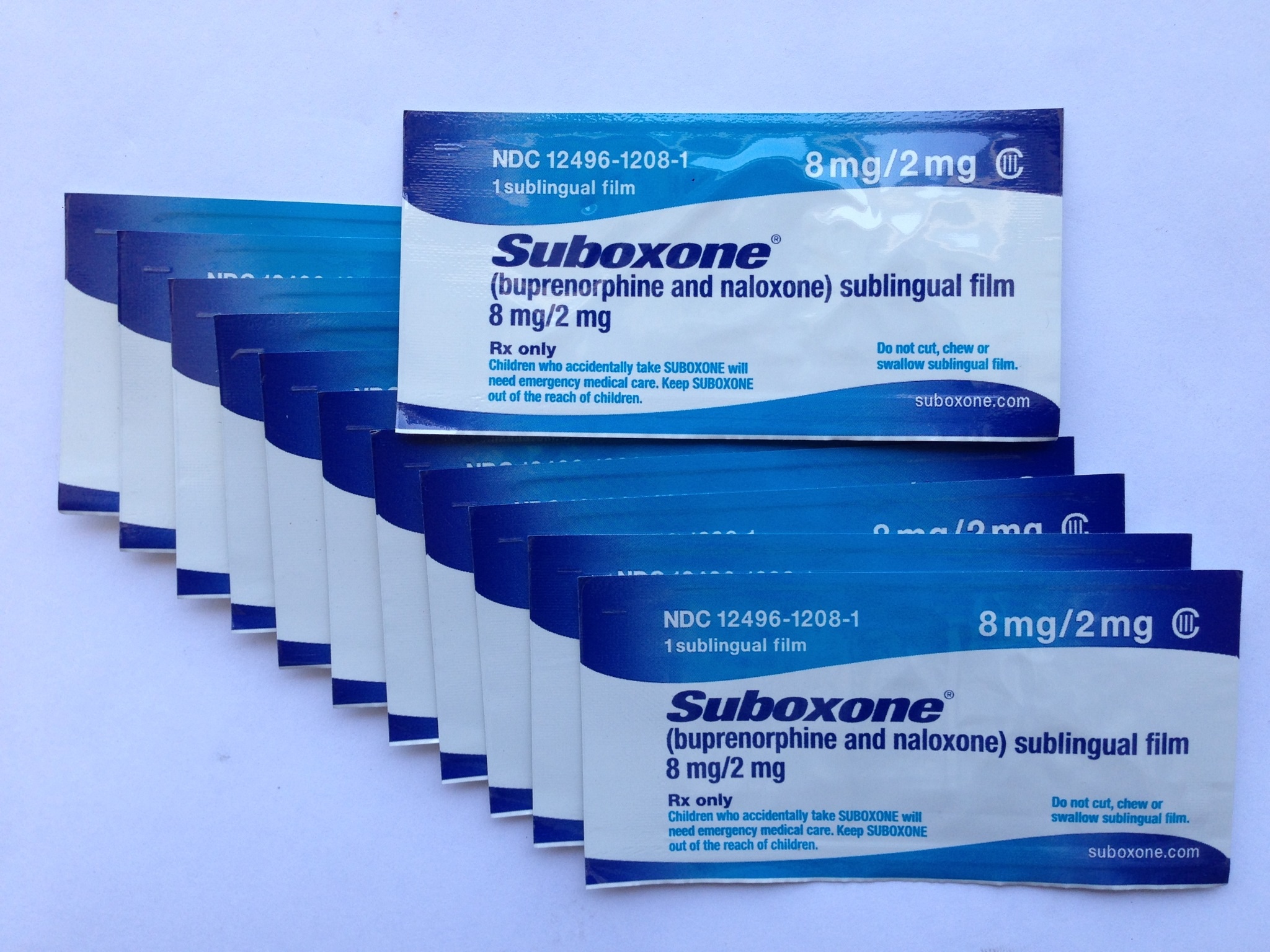
- Naloxone also combined with buprenorphine and pentazocine to prevent recreational opioid use of these medications because it is poorly absorbed orally (and that is why it is given orally so only buprenorphine or pentazocine are absorbed) and if the patient tries to IV administer the mix, naloxone would be absorbed there
Treatment of opioid overdose
- Naloxone is given with a dose of 0.1- 0.4 mg IV for life threatening respiratory and CNS depression
- Maintenance is with the same drug. Dose: 0.4- 0.8 mg repeated whenever is necessary
- In opioid overdose of the newborn, start with a naloxone dose of 5- 10 mcg/kg and second dose of about the same amount if needed
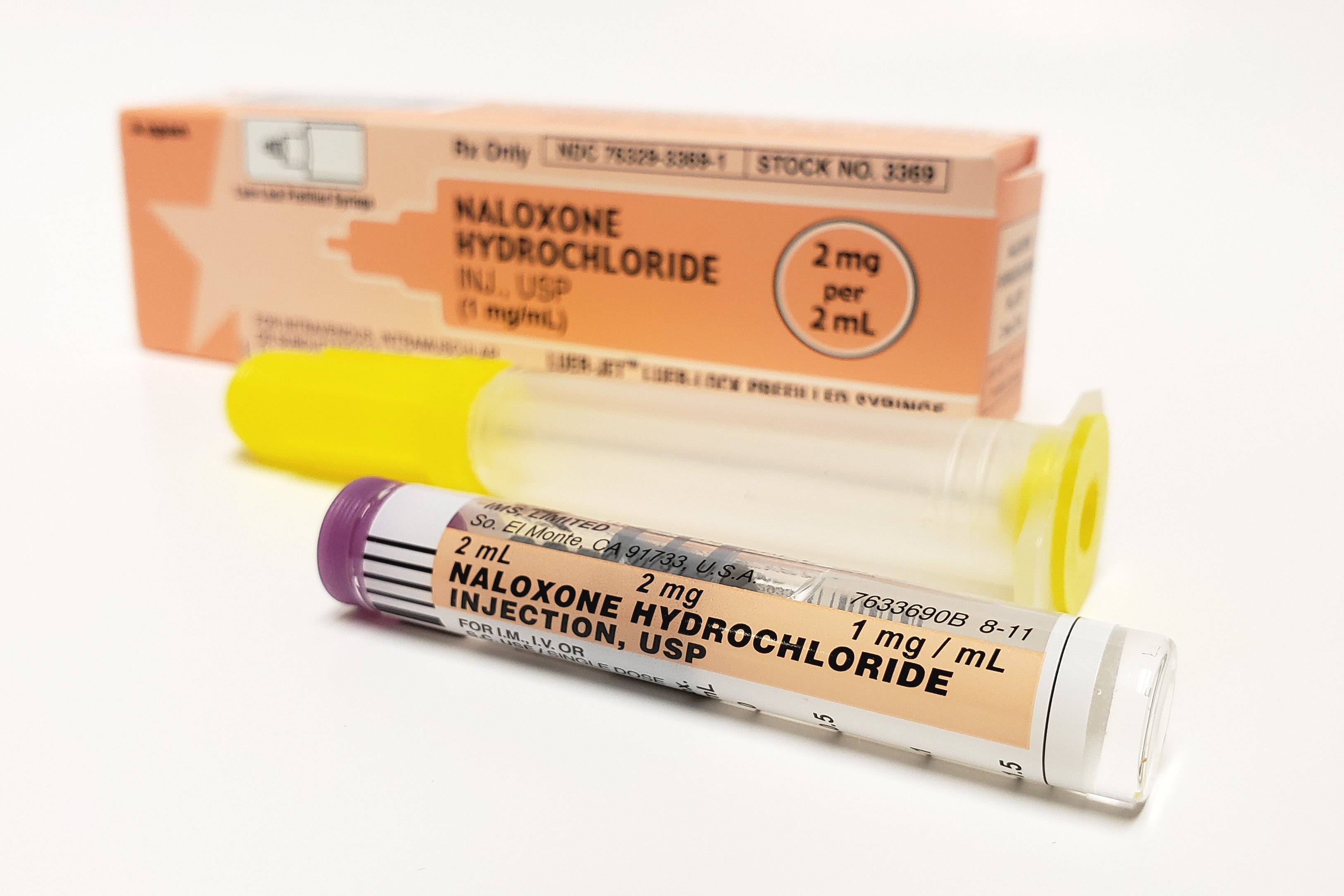
- Naloxone should be prescribed to patients taking high dose of opioids (> 100mg morphine) just in case they go into respiratory depression
- And there should be a form of education that includes preventing, identifying and responding to opioid overdose, family members should be taught to give rescue breathing until emergency service reaches them
Adverse effects
- There is no tolerance, no physical dependence and no addiction to opioid antagonists
- Withdrawal syndrome is a number of symptoms that arise after sudden withdrawal or dose reduction of opioids that are consumed by an opioid physically dependent person, administration of naloxone equals opioid withdrawal but it is more severe because it occur in minutes
- Withdrawal symptoms present as drug craving, anxiety, restlessness, nausea, vomiting, diarrhea, sweating, rhinorrhea, lacrimation, hyperventilation, muscle aches, tachycardia and hostility
- Administration of naloxone may lead to hypotension, pulmonary edema and arrhythmias in patients with heart disease (please monitor for those)
Continue learning
Practice the topics covered in this lecture.