
Pathology
Cell Injury: Definition, Causes (Ischemia, Hypoxemia, Decrease O2 Carrying Capacity) and Features
Source presentation · 3 min read
Edits save on this browser. Download a copy for your records.
Cell injury
- Cell injury occurs when stress exceeds cell’s ability to adapt
- Likelihood of injury depends on
- Type of stress
- Severity of stress
- Type of cell affected
Causes of cell injury
- Hypoxia
- Infection
- Toxins
- Immunologic reactions
- Genetic mutations
- Nutritional imbalances
- Physical agents
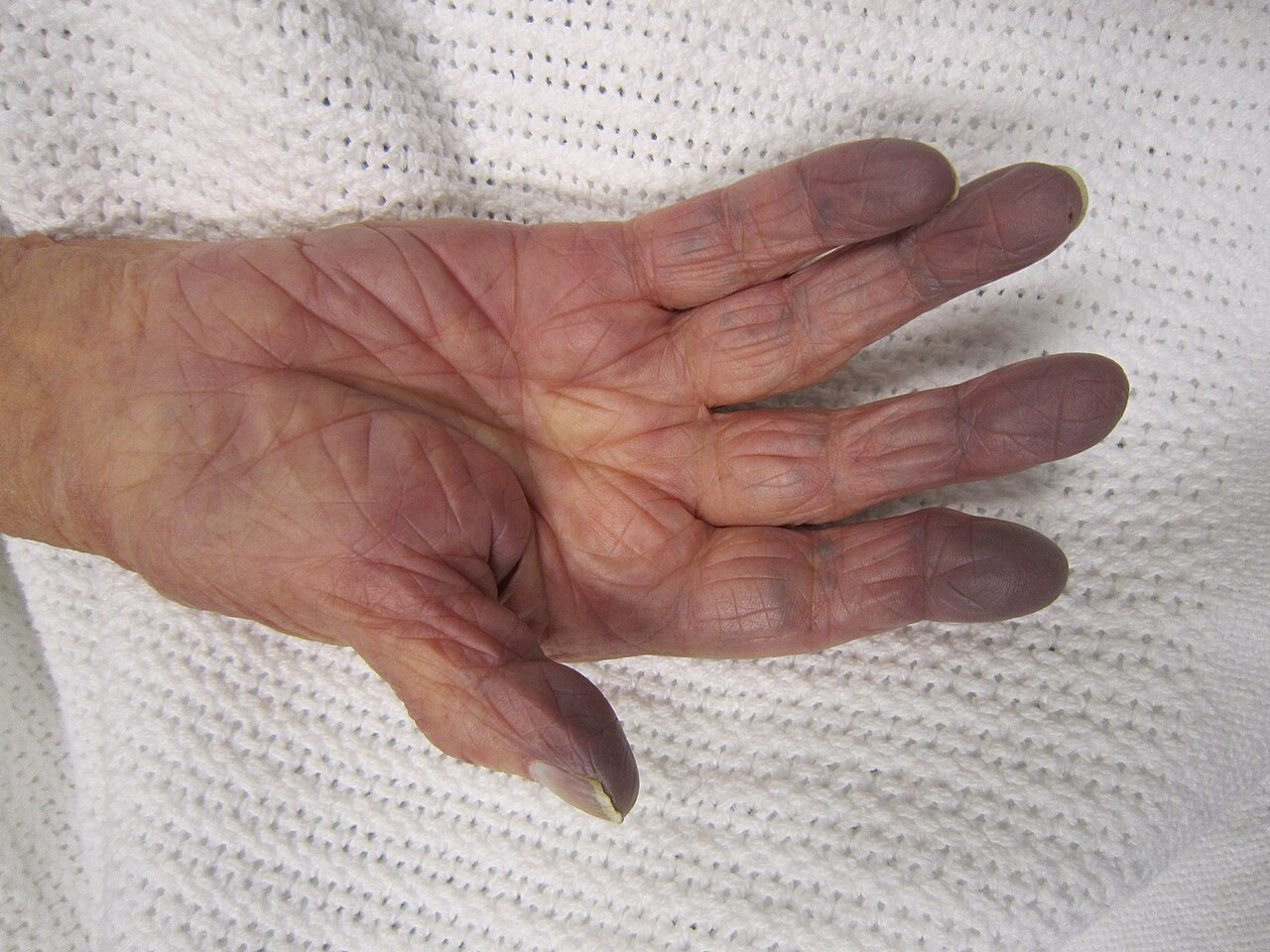
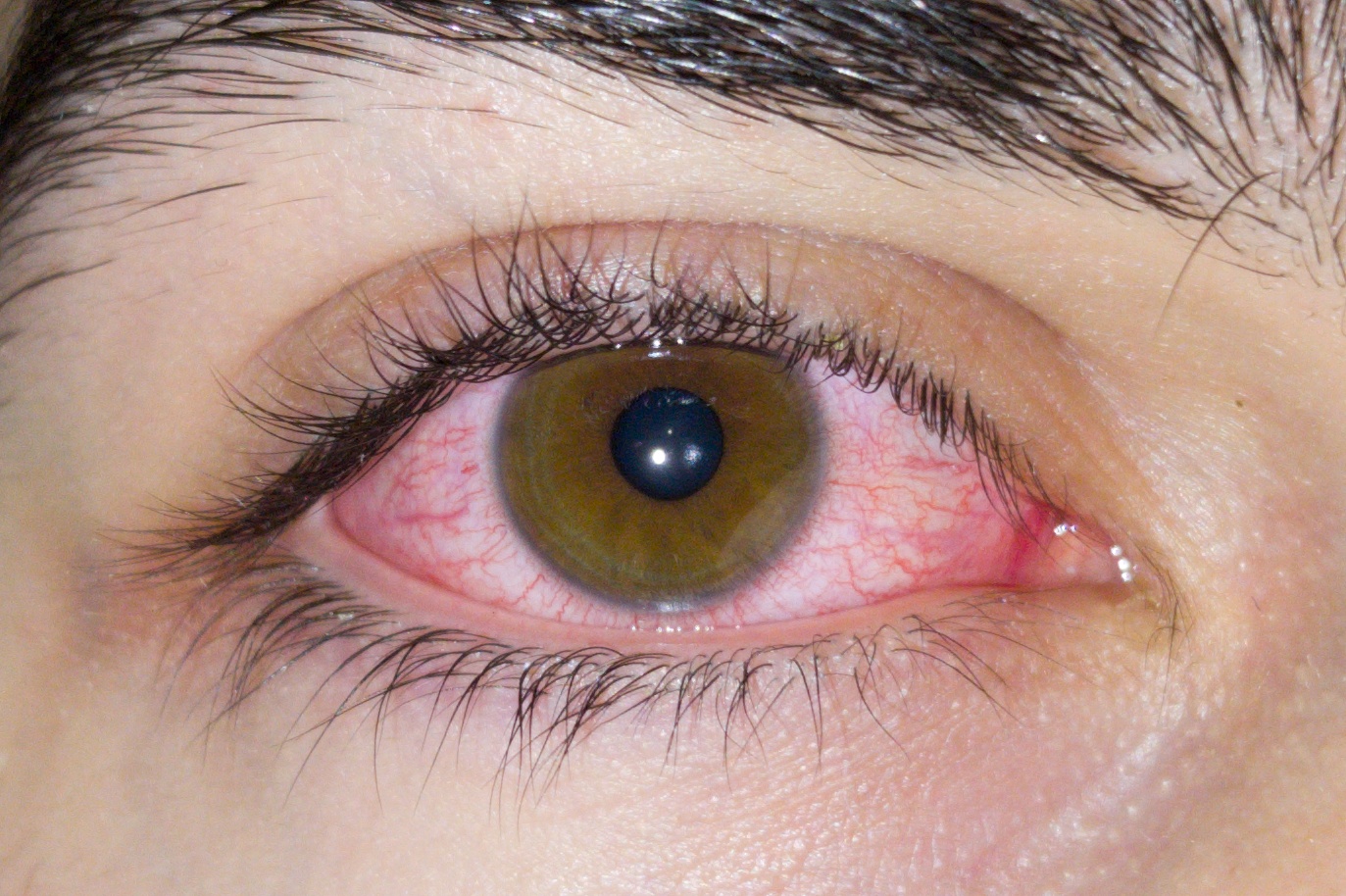
Different injurious stimuli
- Result in a similar sequence of alterations in most cell types
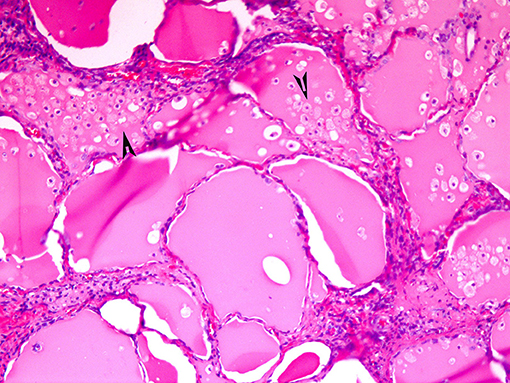
Hypoxia
- Low oxygen delivery to tissues
- Hypoxia impairs oxidative phosphorylation
- Results in decreased ATP
Causes of hypoxia
- Ischemia
- Hypoxemia
- Decreased O2 carrying capacity of the blood
Ischemia
- Decreased blood flow through an organ
Hypoxemia
- low partial pressure of O2 in blood (PaO2 < 60 mmHg , SaO2 < 90%)
Decrease O2 carrying capacity
- Arises with Hb loss or dysfunction
- Examples: Anemia and CO poisoning and Methemoglobinemia
Anemia
- Decrease in RBC mass
- PaO2 normal , SaO2 normal
CO poisoning
- CO binds Hb Stronger than O2
- PaO2 normal, SaO2 decreased
- exposures include smoke from fires and exhaust from cars or gas heaters
Clinical features
- Classic finding is cherry red appearance of skin
- Early sign of exposure is headache
- Significant exposure can lead to coma and death
Methemoglobinemia
- Iron in heme is oxidized to Fe+3 , which cannot bind O2
- PaO2 is normal , SaO2 is decreased
- seen with oxidant stress (e.g. sulfa and nitrate drugs) or in newborns
Clinical Features and Treatment
- Classic finding is cyanosis with chocolate colored blood
- treatment is IV methylene blue which helps reduce Fe3+ back to Fe 2+ state
Low ATP
- Low ATP disrupts key cellular functions
- Na+ - k+ pump
- Ca2+ pump
- Aerobic glycolysis
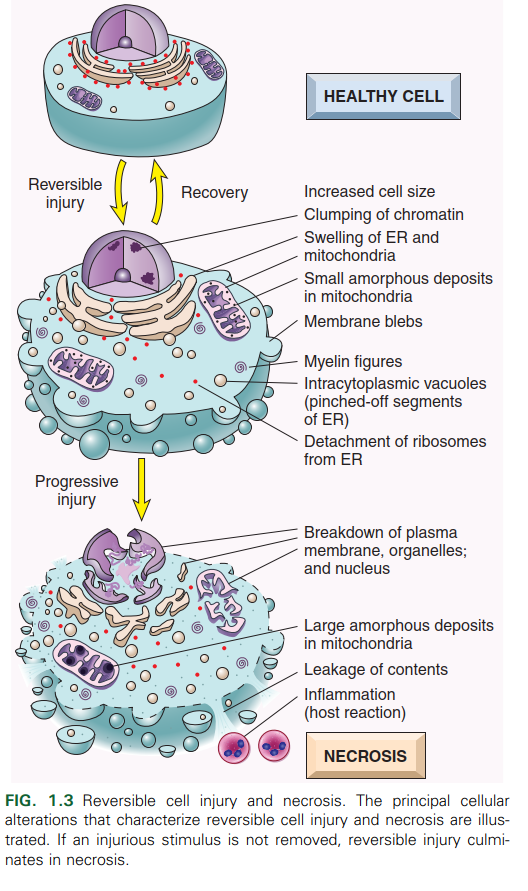
Initial phase of injury is reversible
- Hallmark is cellular swelling
- Leads to loss of
- Microvilli
- Membrane blebbing
- Swelling of RER
Other features of reversible cell injury
- Fatty changes
- Mitochondrial changes include swelling , appearance of phospholipid rich amorphous densities
- Nuclear alterations:
- clumping of chromatin
- Appearance of myelin figures
Cell death
- Persistent or excessive injury => irreversible injury (cell death)
- Hallmark is membrane damage
- Will be the topic of the next video
Continue learning
Practice the topics covered in this lecture.