
Pharmacology
Pethidine: Mechanism of Action, Therapeutic Uses & Adverse Effects
Source presentation · 3 min read
Edits save on this browser. Download a copy for your records.
Meperidine
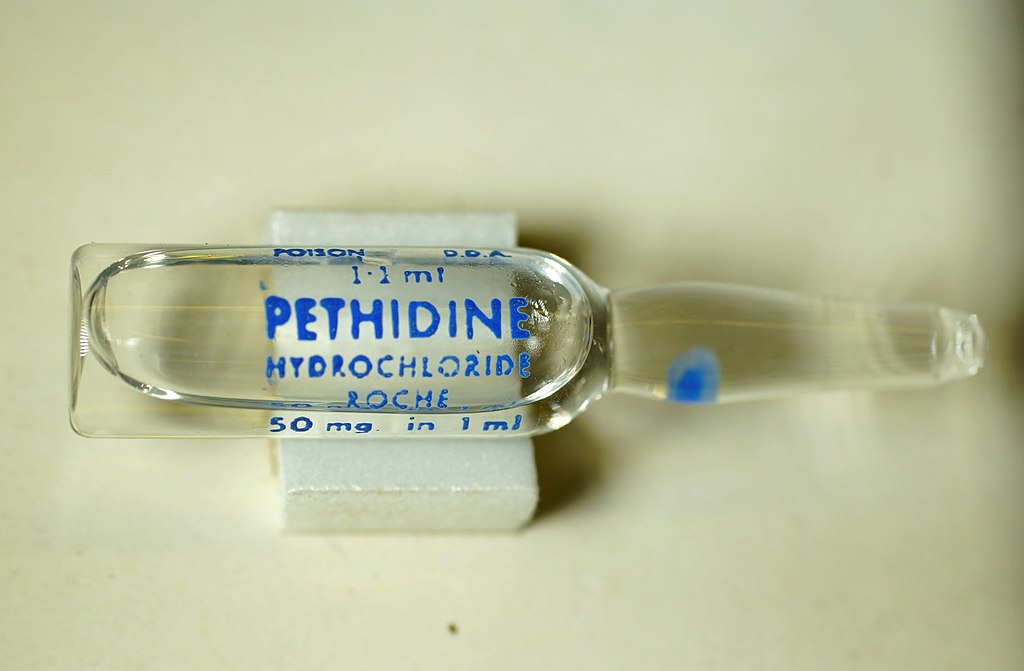
History
- Synthesized in 1939, by the German chemist Otto Eisleb, the intention was to create anticholinergic agent, but the invention worked as anticholinergic and also as analgesic
- Meperidine was the first totally synthetic opioid
- Opioid agonist with anti muscarinic effect opposite to morphine which had muscarinic effects
Overview
- Meperidine is the scientific name, pethidine is the trade name
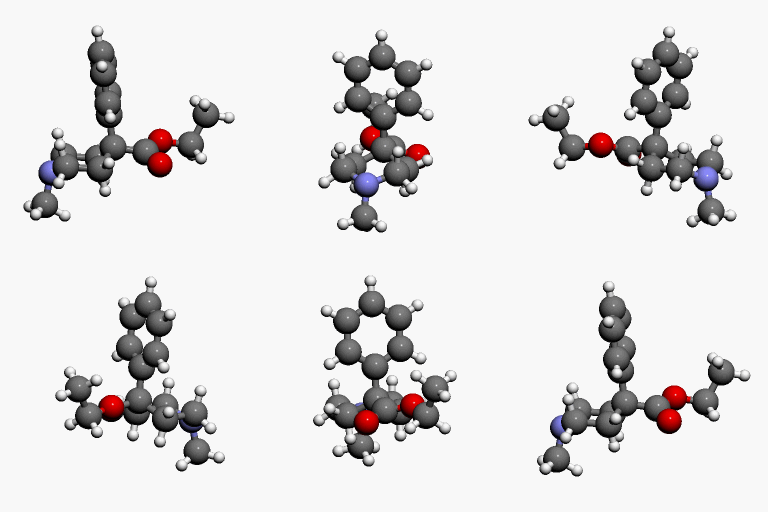
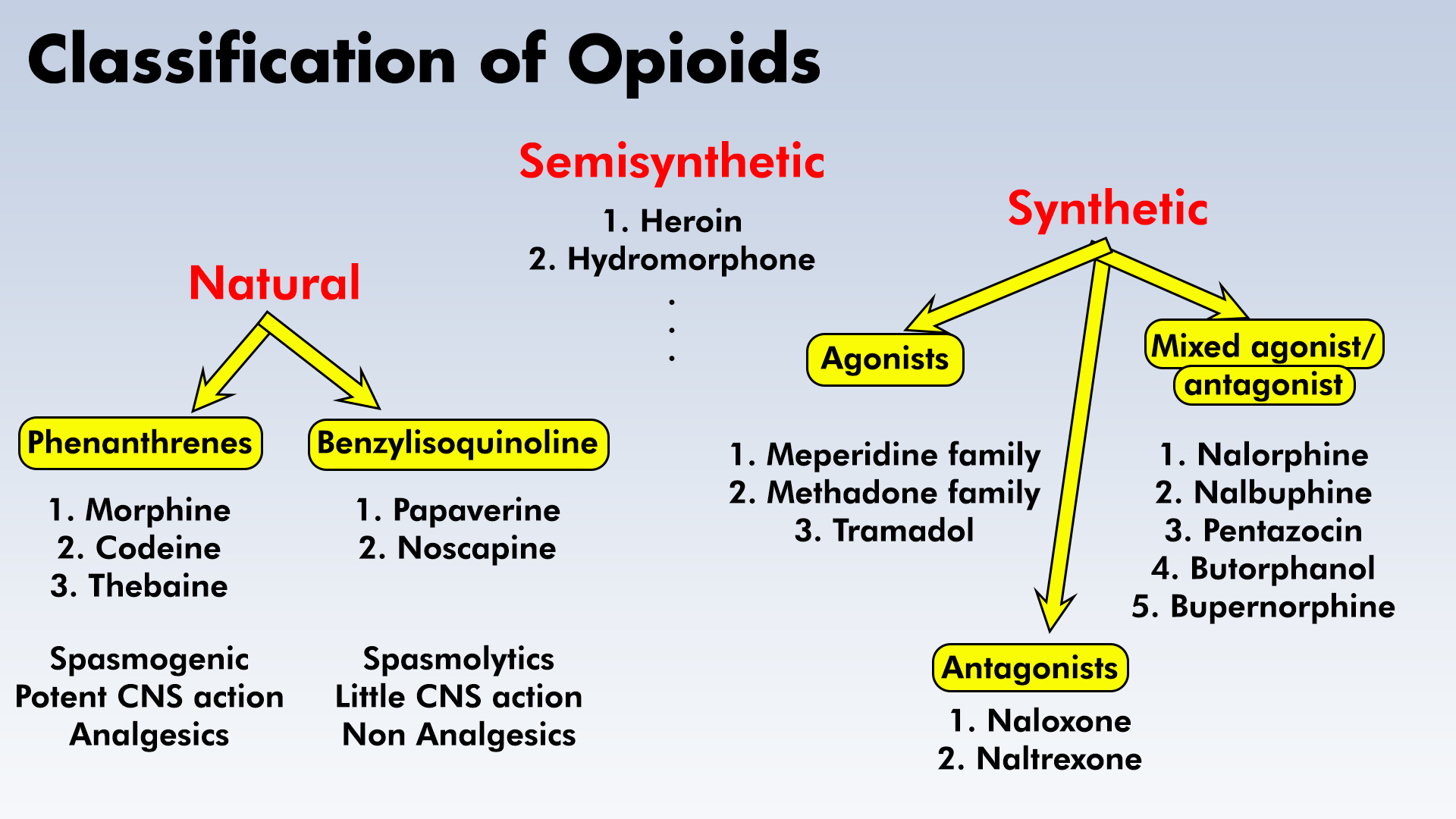
- Synthetic opioid from the phenylpiperidine family (meperidine is the prototype agent of this family)
- Compared to morphine, pethidine carries equal risk of addiction and it is more toxic because its metabolite (norpethidine) was found to have serotonergic effects so it leads to serotonin syndrome
- One of the most commonly used opioids
Pharmacokinetics
- Available as IM, sub cut, IV and oral syrup
- Better absorbed orally and has greater bioavailability (50%) than morphine
- Metabolized to norpethidine which is neurotoxic leading to activation of serotonin receptors (may lead to serotonin syndrome)
- Excreted through liver and kidney, its half life is 8- 12 hours
Mechanism of action
- Pethidine work as an opioid receptors especially mu opioids receptors in central nervous system and peripheral tissues and it work as agonist on these receptors
- Pethidine has structural similarities to atropine, that is why it work also as anticholinergic
Pharmacologic effects
- Analgesic potency is 10% of morphine
Pharmacologic Effects
Activation of these opioid receptors lead to several central effects (CNS effects):
- Analgesia
- Euphoria
- Sedation
- Respiratory depression
- Cough suppression
- Nausea and vomiting
- Pruritus
Activation of these opioid receptors lead to several peripheral effects including:
- CVS
- GIT: constipation
- RS
- Urinary system: may lead to urine retention
- Immune: decrease immunity
Therapeutic uses
- Meperidine used in Inferior MI because the patient usually has bradycardia and hypotension and meperidine has antimuscarinic activity
- Used as analgesic in labor because it doesn’t prolong labor (little to no spasmogenic action) BUT its use decrease due to serotonin syndrome
- Preferred in treating the pain associated with diverticulitis, because it decreases intestinal intraluminal pressure
- Preferred in management of shivering during therapeutic hypothermia
- Pethidine possess no advantageous effect on biliary spasm or renal colic in comparison with other opioids
Adverse effects
- Nausea and vomiting
- Urinary retention
- Constipation
- Less sedation compared to other opioids
- It doesn’t cause miosis because of anticholinergic properties
- Respiratory depression
- Bronchoconstriction due to histamine release
- Psychosis
- It has weak atropine like action which lead to dry mouth, tachycardia
- Tolerance
- Physical dependence
- Addiction
- Serotonin syndrome
- Pethidine risk of serotonin syndrome increase if used with SSRI or any other serotonergic drugs
Serotonin syndrome
- Is a set of symptoms that occur with use of pethidine and other serotonergic drugs due to increase serotonin level in CNS
- Symptoms include high BP, tachycardia, fever, agitation, hyperreflexia, tremor, sweating, mydriasis and diarrhea
- Those symptoms range from mild to severe
- Complications include seizures and rhabdomyolysis
Pethidine vs Morphine
| Morphine | Pethidine | |
|---|---|---|
| Chemistry | Natural opioid | Synthetic opioid |
| Bioavailability | 25% | 50% |
| Analgesic effect | Strong | Weak (10% of morphine) |
| Autonomic effects | Vagal stimulation | Anti cholinergic (opposite) |
Continue learning
Practice the topics covered in this lecture.