
Pharmacology
Z Drugs Pharmacology: Zolpidem , Eszopiclone, Zaleplon All Explained
Source presentation · 3 min read
Edits save on this browser. Download a copy for your records.
Overview
- Z drugs are classified as hypnotic drugs that are used in treatment of insomnia and anxiety
- These medications are referred to as Z drugs because most (not all) of their names start with Z letter, and they also referred to as non benzodiazepines
- Z drugs discovered in the 1990s
Examples
- There are a lot of these medications, and those are the most commonly used:
- Zolpidem: 5 hours duration of action
- Zaleplon: 3 hour duration of action
- Eszopiclone: 6 hour duration of action
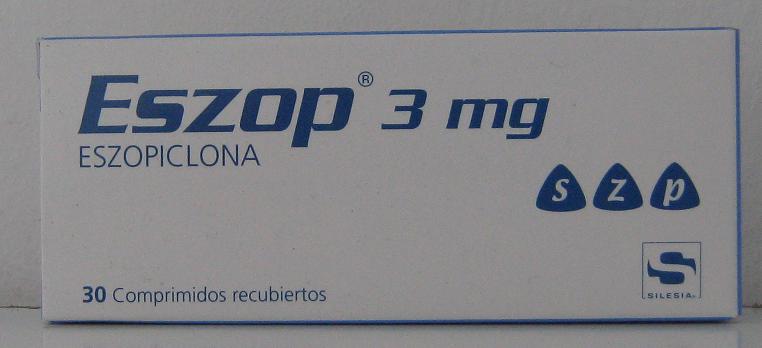
Pharmacokinetics
- They are available in oral formulas only
- They all have good absorption
- Metabolized by oxidation via CYP450 enzymes in the liver and they are affected by medications that induce or inhibit the CYP enzymes
- Excreted renally
Mechanism of action
- Z drugs work on GABA A receptors in the CNS, same with the barbiturates and benzodiazepines
- GABA receptors composed of five subunits and they are the chief inhibitory receptors in the CNS
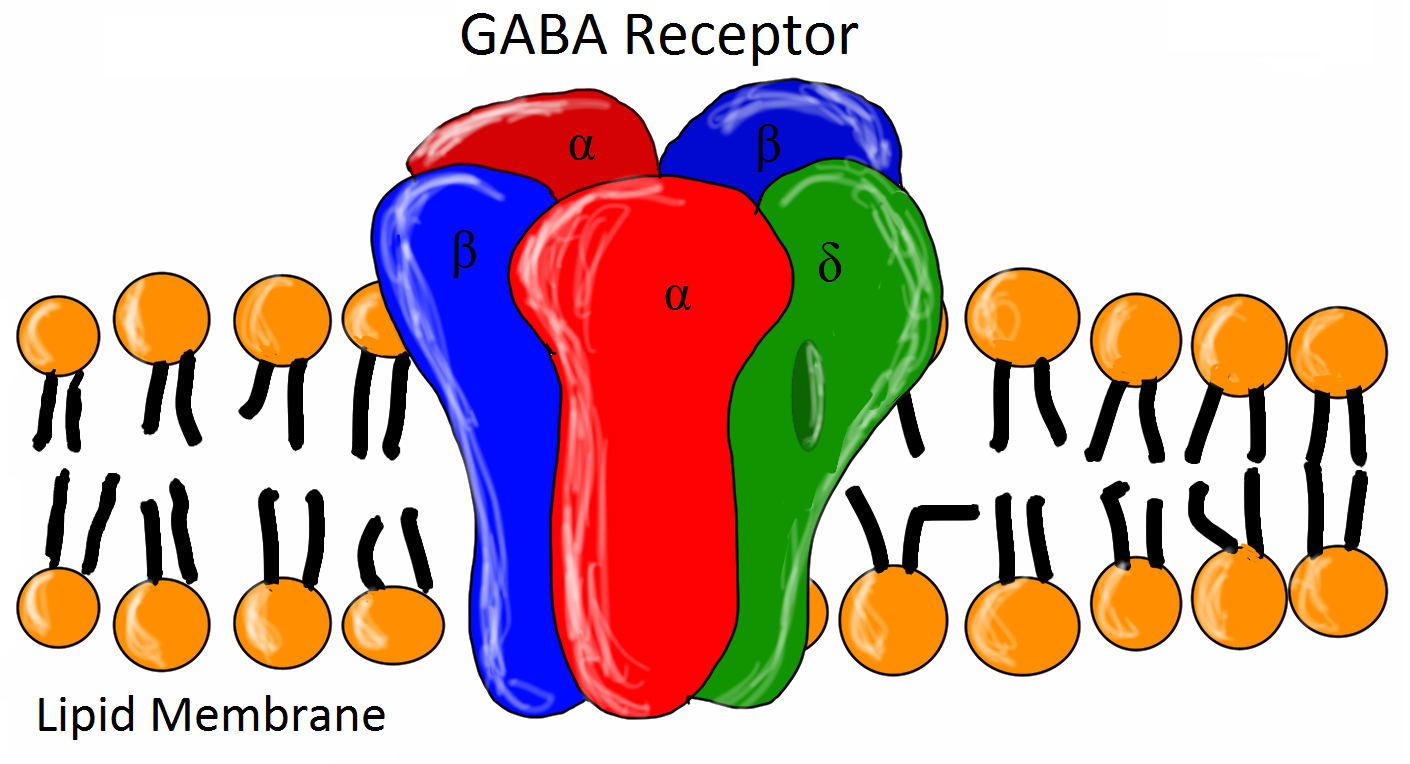
- GABA receptors are normally activated by GABA neurotransmitter (gamma aminobutyric acid), GABA bind into one of the receptor subunits to activate it
- Activation of the receptor lead to the opening of the ion channel that allows chloride ions to pass through it leading to reduction in neuronal excitability and inhibition of nerve transmission => CNS inhibition
- Z drugs bind into GABA A receptors to enhance its action, most of them bind to the alpha subunit of the GABA receptors
- Z drugs increase the frequency of the opening of chloride channels in GABA A receptors leading to more chloride flow through these receptors => hyperpolarization and CNS depression
Pharmacologic effects
- They work only as anxiolytic and hypnotics
- They lead to anterograde amnesia
- They don’t work as anticonvulsant and they have no muscle relaxation effects unlike benzodiazepines and barbiturates
Therapeutic uses
- They are used in treatment of insomnia
- They have quick action and short half life in comparison with benzodiazepines, that is why they are preferred over benzos
Adverse effects
Z drugs are not safer than benzodiazepines, they almost carry the same risks but in a mild way:
- They lead to Tolerance but it is slower to develop in comparison to benzodiazepines and barbiturates
- They also lead to physical dependence, and if they are used continuously for > 4 weeks, then they shouldn’t be withdrawn abruptly due to the possibility of withdrawal effects
- They produce some amnesia during the drug action
- Z drugs may produce withdrawal anxiety
- Rarely they may lead to hallucinations or dissociation disorders
- With these medications, there is Increased risk of depression, increased risk of falls and fractures
Toxicity
- Toxicity with these medications is rare
- Patient unconscious with shallow breathing
- Management of the airway might be needed
- Flumazenil is antidote to z drugs, also to benzodiazepines
Continue learning
Practice the topics covered in this lecture.