
Pharmacology
Low Molecular Weight Heparin (LMWH): Mechanism of Action, Therapeutic Uses and Adverse Effects
Source presentation · 2 min read
Edits save on this browser. Download a copy for your records.
Video content
In this video, I will talk about the LMWH, topics that will be covered include:
- Pharmacokinetics
- Mechanism of action
- Therapeutic uses
- Monitoring
- Adverse effects
- Contraindications
Intro
- LMWH are classified as anticoagulant medications
- Unfractionated heparin is a mixture of different molecular weight fractions (5000- 40000 Da) that can work on multiple coagulation factors and produce multiple side effects (e.g. thrombocytopenia)
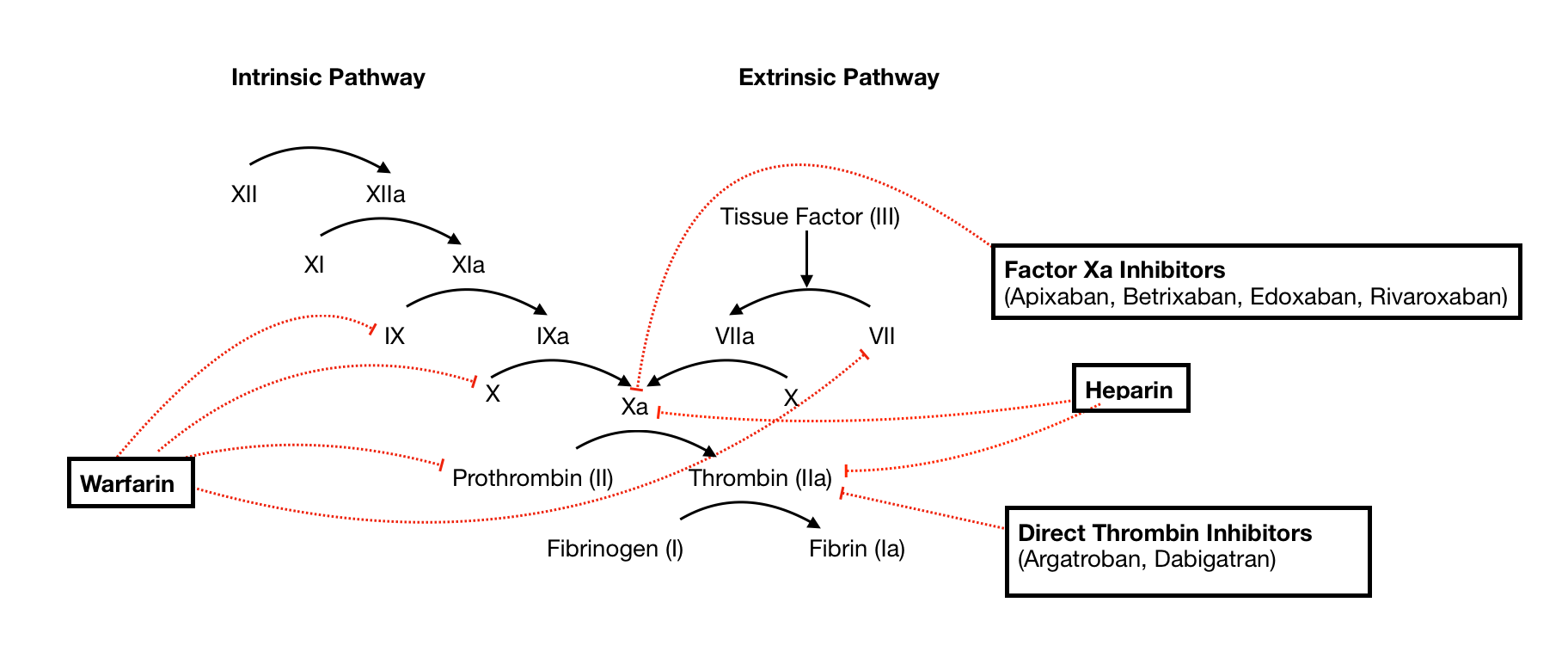
- LMWH is the fractions of heparin that works on factor X only, molecular weight of these fractions is less than 8000 Da; this lead to minimal effects on PLT and other clotting factors
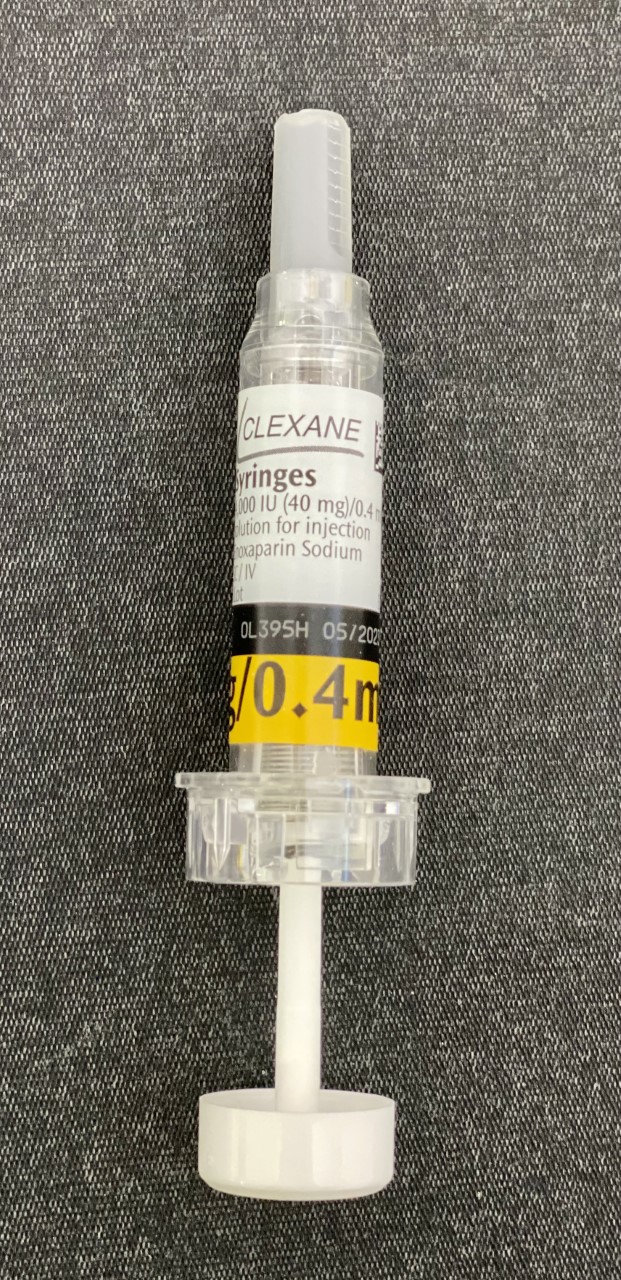
LMWH examples
- Dalteparin
- Enoxaparin (Levonex, Clexan)
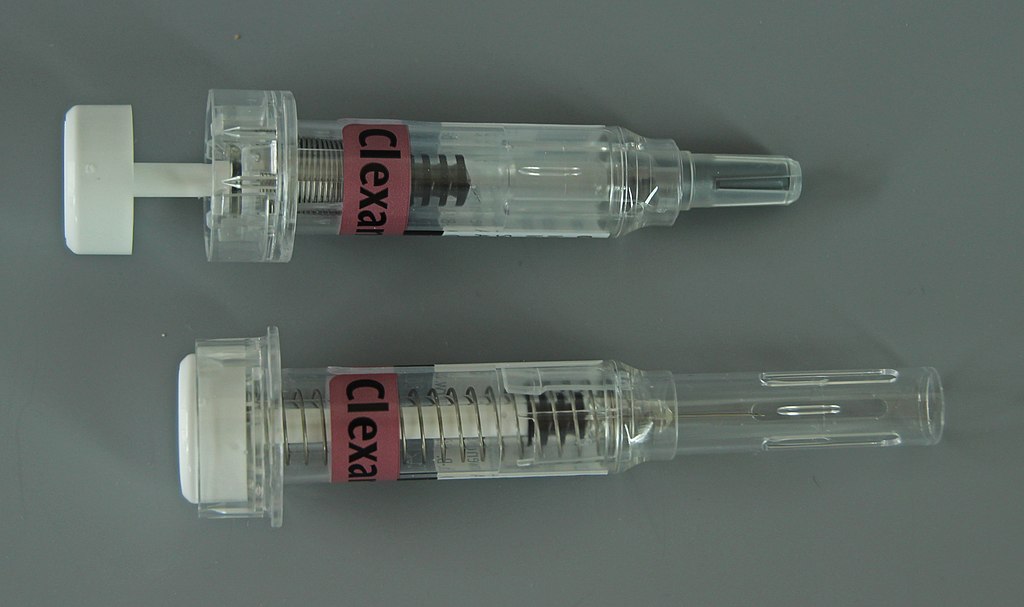
Pharmacokinetics
- LMWH available as SC formulas
- SC bioavailability is better than the unfractionated heparin (UFH binds to subcutaneous tissue more than LMWH)
- Half life of LMWH is long enough to allow for once daily dosing while UFH half life is short, that’s why it is giving 3 times daily
Mechanism of action
- LMWH bind to antithrombin III and activate it to inhibit factor Xa
Therapeutic uses
- Prophylaxis against DVT in medium and high risk groups
- Treatment of venous thromboembolism in pregnancy
- Used in the treatment of DVT, PE
- Treatment of STEMI
- Unstable angina
- Prevention of clotting in extracorporeal circuits
Monitoring
- LMWH doesn’t require monitoring but if needed (in patients at extremes of weight or in renal dysfunction), it is by anti factor Xa assay
- In comparison with the UFH, which need continuous monitoring with the APTT
Adverse effects
- Bleeding: risk for bleeding with LMWH is much less compared to the UFH
- Thrombocytopenia: much less common in LMWH compared to UFH
- Osteoporosis and spontaneous fractures especially on long term use
- Hypersensitivity reactions
- Hypoaldosteronism
Antidote
- Protamine sulfate work as an antidote but it is weaker in comparison with its work on UFH
Contraindications
- Trauma
- Hemorrhagic disorders
- Peptic ulcer disease
- Recent cerebral hemorrhage
- Severe hypertension
- Recent surgery to the eye or the brain
- History of heparin induced thrombocytopenia
Continue learning
Practice the topics covered in this lecture.