
Pharmacology
Melatonin for Sleep: Mechanism of Action & Side Effects
Source presentation · 2 min read
Edits save on this browser. Download a copy for your records.
Melatonin
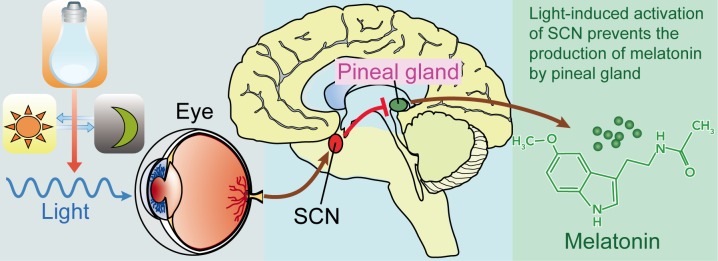
- Melatonin is a hormone that is produced by the pineal gland in the brain and its main function is related to regulating sleep- wake cycle and circadian rhythm
- Darkness triggers melatonin production, which when secreted gives hypnotic effect (sleep effect), light decrease production of the hormone
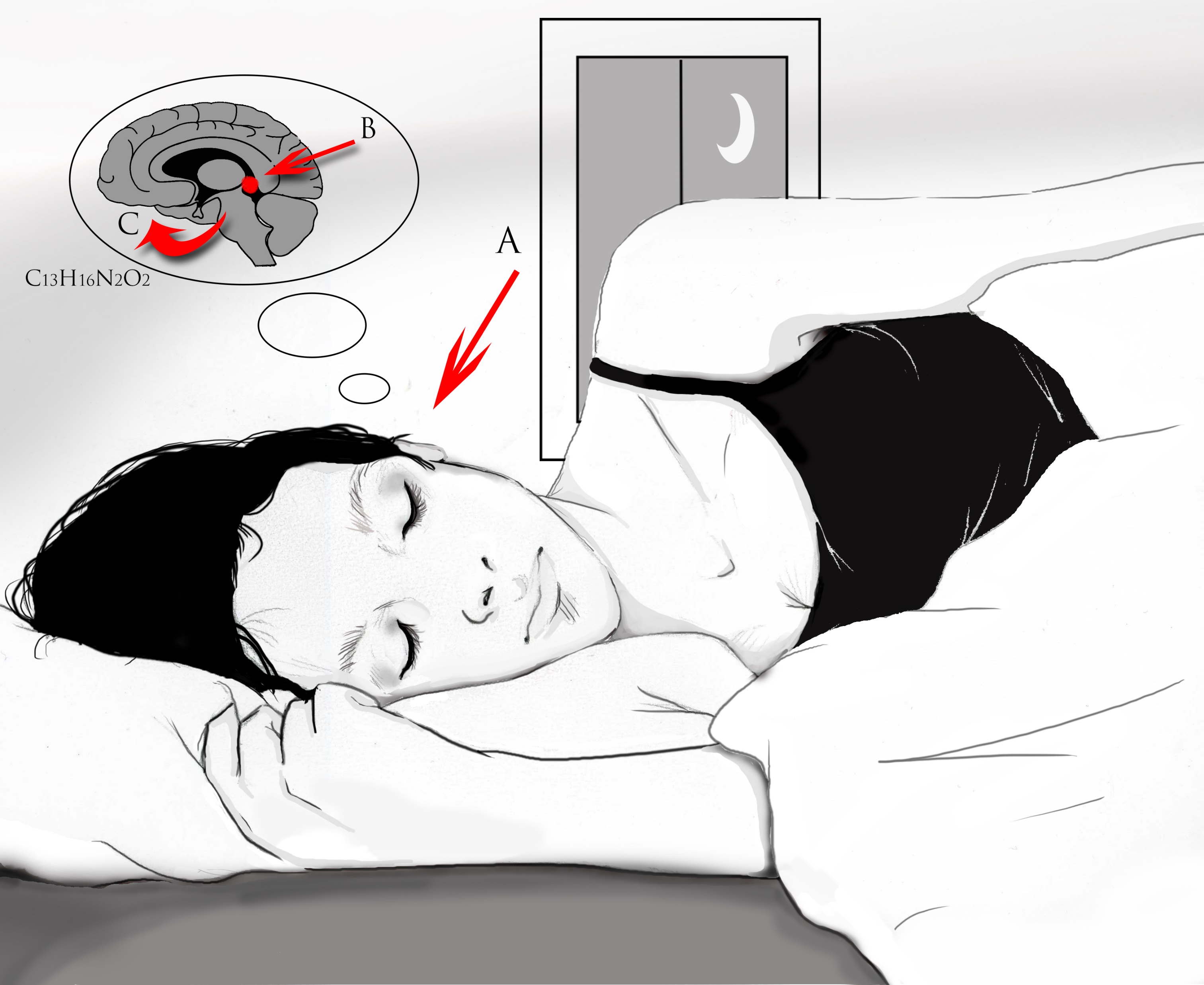
- Insomnia became problematic when artificial light was discovered, artificial light decreased melatonin levels
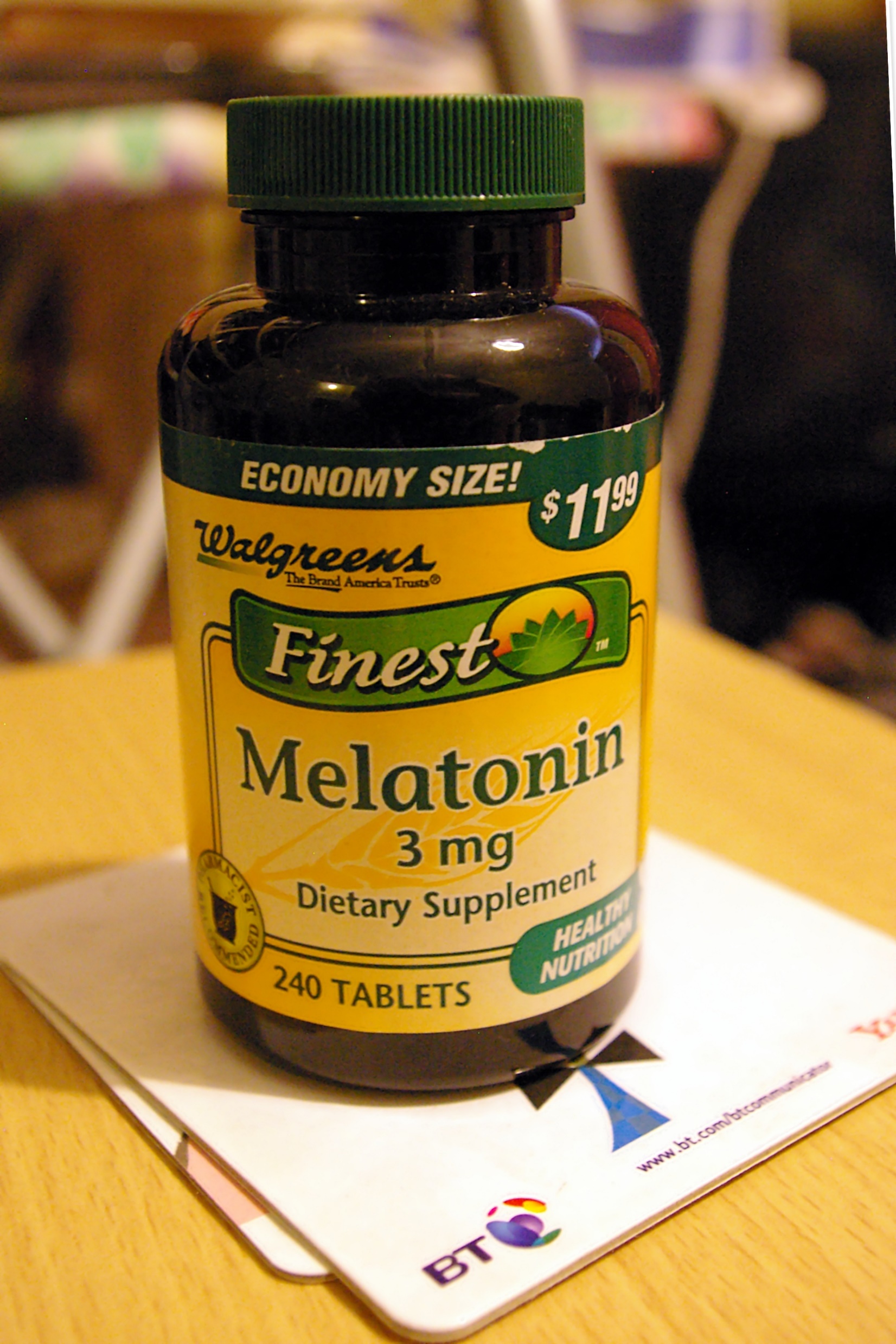
- In the early 2000s, comes the idea of using this hormone as a medication or a supplement to treat insomnia
How light and dark affect melatonin
Therapeutic uses
- Melatonin is used as a supplement for treatment of insomnia and improving sleep
- It is also used to overcome jet lag
- REM sleep behavior disorders

Mechanism of action
- Melatonin act as agonist on melatonin receptors including MT1, MT2 in the hypothalamus to mediate sleep and regulates circadian rhythm
Pharmacokinetics
- Available as oral formulas only
- Good absorption with bioavailability of 2- 50%
- Distribution: melatonin is bound to plasma proteins by 60%
- It is metabolized by CYP enzymes in the liver and it is liable to be affected by CYP inducers and inhibitors
- Elimination: 90% eliminated through urine and the rest in bile and elimination half life is about 30 minutes
Side effects
- Dizziness
- Fatigue
- Nausea
- Exacerbated insomnia
- Hypertension
- Abdominal pain
- Heartburn
- Mouth ulcers
- Aggression
- Pruritus
- Glycosuria
- Increased weight
- Mood swings
- Tiredness
- Abnormal liver function test
Contraindications
- It is contraindicated in Previous hypersensitivity reactions
- It is not recommended in autoimmune diseases, pregnancy, breastfeeding and liver diseases
Continue learning
Practice the topics covered in this lecture.