
Pharmacology
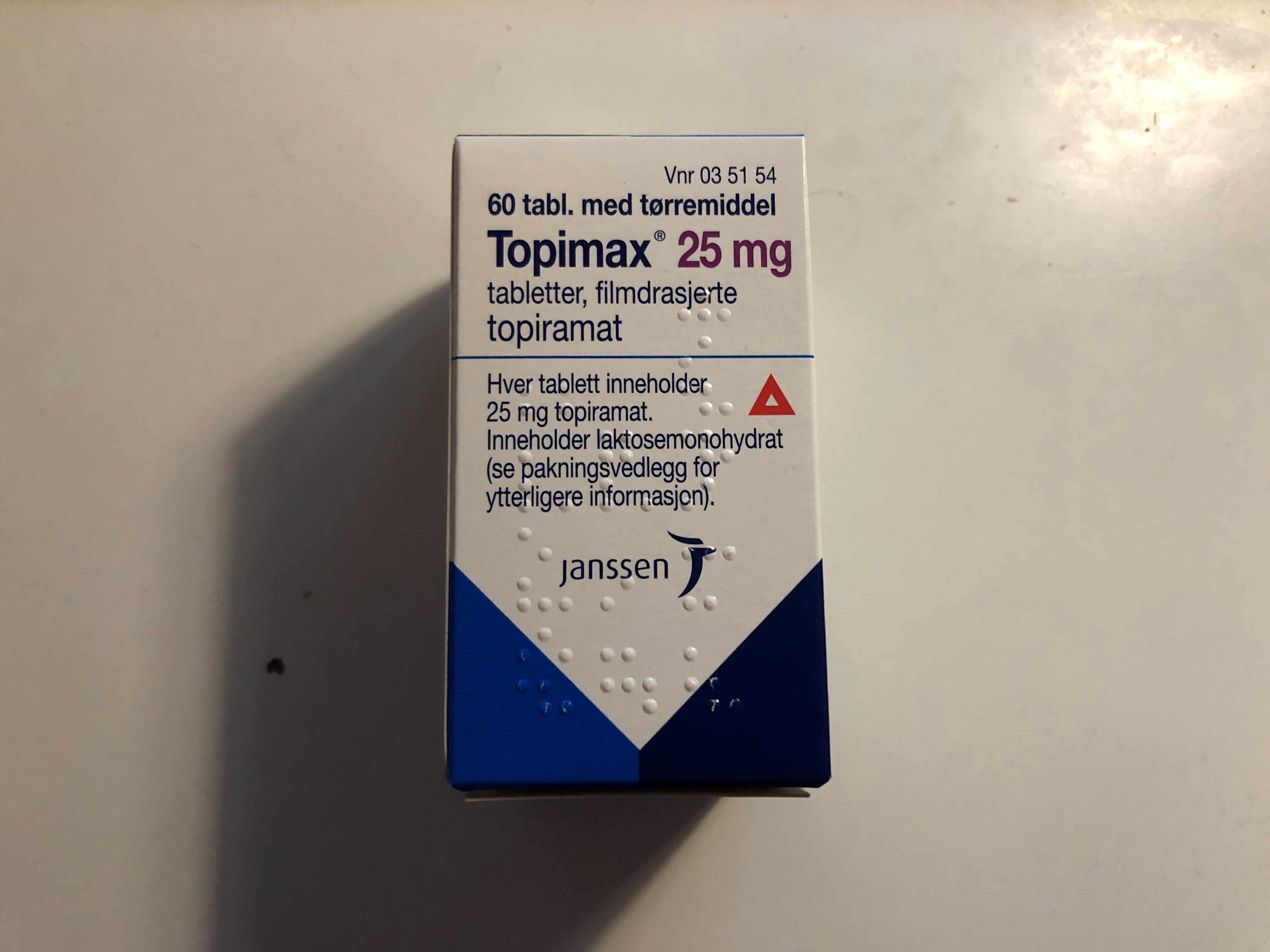
Topiramate Pharmacology: Mechanism of Action, Therapeutic Uses and Adverse Effects
Source presentation · 2 min read
Edits save on this browser. Download a copy for your records.
Antiepileptic drugs classification
| First generation (Classic) drugs | Second generation (newer) drugs |
|---|---|
| Phenytoin | Vigabatrin |
| Carbamazepine | Lamotrigine |
| Valproic acid | Topiramate |
| Ethosuximide | Levetiracetam |
| Phenobarbital | Gabapentin & pregabalin |
| Benzodiazepines | Tiagabine |
Overview
- Trade name: Topamax
- Broad spectrum antiepileptic drug used in treatment of seizures
- Topiramate was fist discovered in 1979 by the American chemist Bruce Maryanoff, but it was approved for treatment of seizures in 1996
Mechanism of action
- Blocks voltage gated sodium channels
- Enhance GABA receptors => neuronal inhibition
- Topiramate Reduces membrane depolarization by AMPA/ kainate receptors, same receptors at which excitatory neurotransmitters work
Therapeutic uses
- Broad spectrum antiepileptic activity
- Used in treatment of focal seizures, idiopathic generalized onset seizures and Lennox Gastaut syndrome
- It is also approved for chronic weight management for individuals with a body mass index over 30
- Migraine prophylaxis
- It also used off label in treatment of bipolar disorder and alcoholism
Adverse effects
Cognitive side effect are common with topiramate and they are the cause of discontinuation most of the times and they include:
- Dysnomia: impaired ability to recall words, names or objects
- Diminished verbal fluency
- General slowing of cognitive processes
- Cognitive side effects that occur with his medication are unique in comparison with other antiepileptic drugs, and they occur without sedation or mood changes and it is dose dependent
- It may lead to paresthesia in the start of the treatment
- It also may lead to fatigue, nervousness and confusion
- It also may lead to angle closure glaucoma in susceptible patients
- Hyperthermia
- Renal stones
- It also lead to significant weight loss with long term use
- Teratogenic if given during the first trimester of pregnancy leads to cleft lip
- Metabolic acidosis due to inhibition of carbonic anhydrase enzymes
Pharmacokinetics
- Well absorbed with 80% bioavailability, food minimally affect absorption
- Distribution: 15-40% bound to plasma proteins, and the rest is distributed to body tissues
- 20- 50% of the dose is metabolized by the CYP in the liver into inactive metabolites and the rest excreted unchanged in urine
- Half life is around 25 hours
- Topiramate mildly inhibit CYP2C19
Interactions
- Topiramate increase clearance of OCP and contraception failure in doses > 200 mg/day
- Topiramate + metformin = more metabolic acidosis
- Topiramate + other carbonic anhydrase inhibitors like acetazolamide = more metabolic acidosis
- Topiramate clearance decreased if coadministered with amitriptyline
- Topiramate dose should be increased if combined with carbamazepine
Continue learning
Practice the topics covered in this lecture.