
Pathology
Oxidative Stress (Free Radical Injury): Physiologic & Pathologic Generation, Elimination & Examples
Source presentation · 2 min read
Edits save on this browser. Download a copy for your records.
Mechanisms of cell injury
- Mitochondrial dysfunction and damage
- Oxidative stress
- Amyloidosis
Oxidative stress
- Cellular damage induced by accumulation of reactive oxygen species (ROS), a form of free radical
- Free radicals are Chemical species with unpaired electron in outer orbit
Physiologic generation
- Oxidative phosphorylation
- Cytochrome c oxidase transfers electrons to O2 during oxidative phosphorylation
- Partial reduction yields O2-, H2O2 and OH radicals
Pathologic generation
- Ionizing radiation
- Inflammation
- Metals (e.g., copper and iron)
- Drugs and toxins (e.g., acetaminophen)
Free radical damage
- Peroxidation of lipids
- Crosslinking of proteins
- Oxidation of DNA
Elimination of free radicals
- Antioxidants
- Metal carrier proteins
- Enzymes
Enzymes
- SOD
- Catalase
- Glutathione peroxidase
Examples of Free radical injury
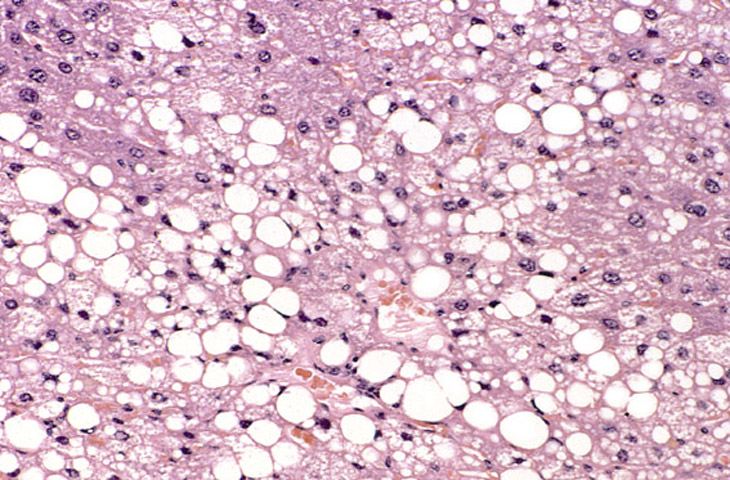
- CCl4
- Reperfusion injury
| Free radical | Mechanism of production | Mechanisms of removal | Pathologic effects |
|---|---|---|---|
| Superoxide (O2-) | Incomplete reduction of O2 during oxidative phosphorylation; by phagocyte oxidase in leukocytes | Conversion to H2O2 and O2 by superoxide dismutase | Direct damaging effects on lipids (peroxidation), proteins, and DNA |
| Hydrogen peroxide (H2O2) | Mostly from superoxide by action of SOD | Conversion to H2O and O2 by catalase | Can be converted to OH and CIO- , which destroy microbes and cells |
| Hydroxyl radical (OH) | Produced from H2O, H2O2, and O2- by various chemical reactions | Conversion to H2O by glutathione peroxidase | Direct damaging effects on lipids, proteins, and DNA |
Continue learning
Practice the topics covered in this lecture.