
Pharmacology
Heroin Pharmacology: Mechanism of Action, Therapeutic Uses & Adverse Effects
Source presentation · 3 min read
Edits save on this browser. Download a copy for your records.
Heroin

Overview
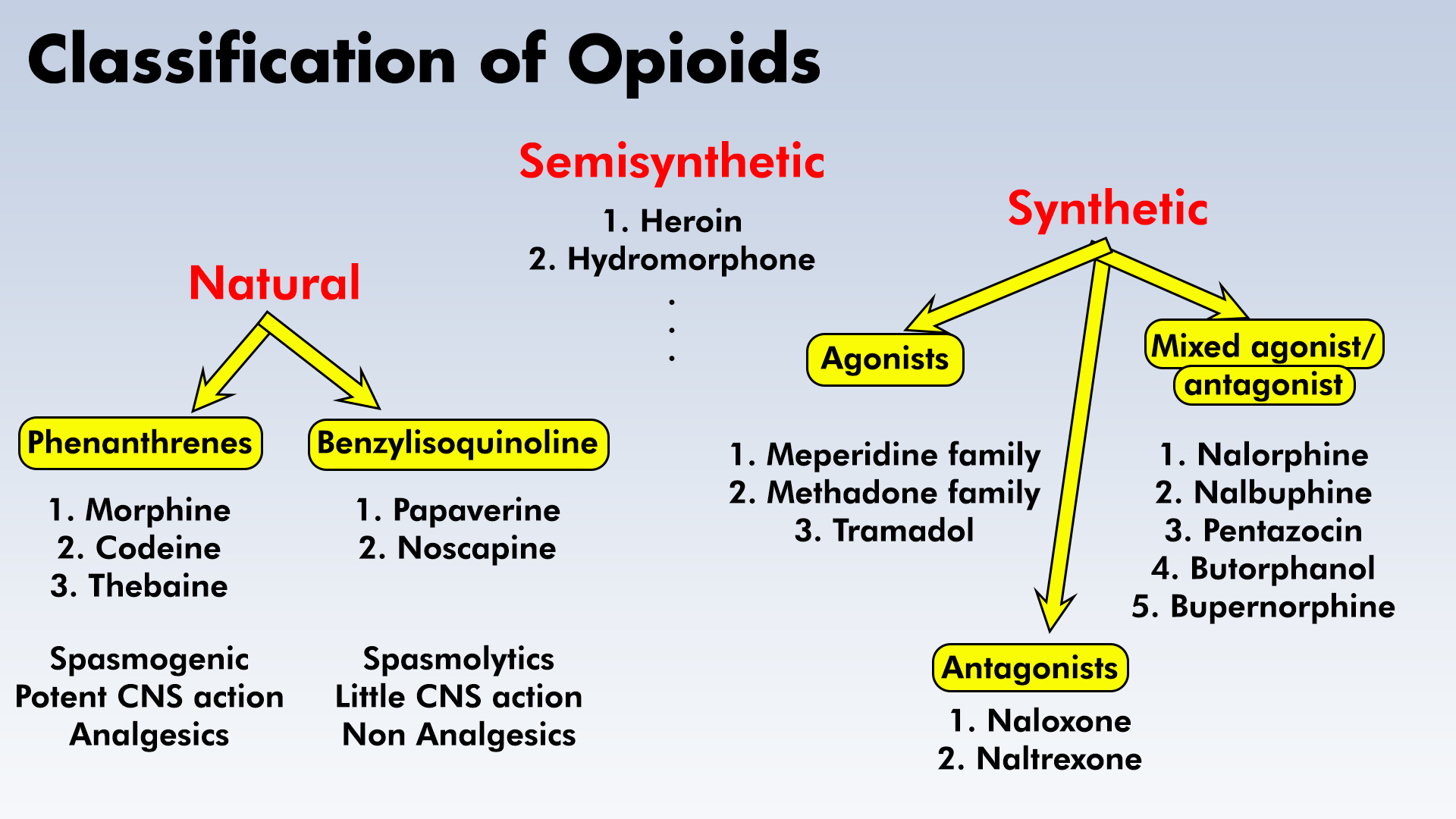
- Heroin (is a trade name) is also known as diacetylmorphine and diamorphine (acetylated morphine) and it is a Semi synthetic opioid
- Heroin is used medically in several countries to relieve pain (analgesic) but it is banned in most countries because it is highly addictive
- It is used illegally for recreational use due to the euphoria it induces
History
- First synthesized in 1874 by Charles Alder Wright an English chemist but the invention didn’t lead to any further developments
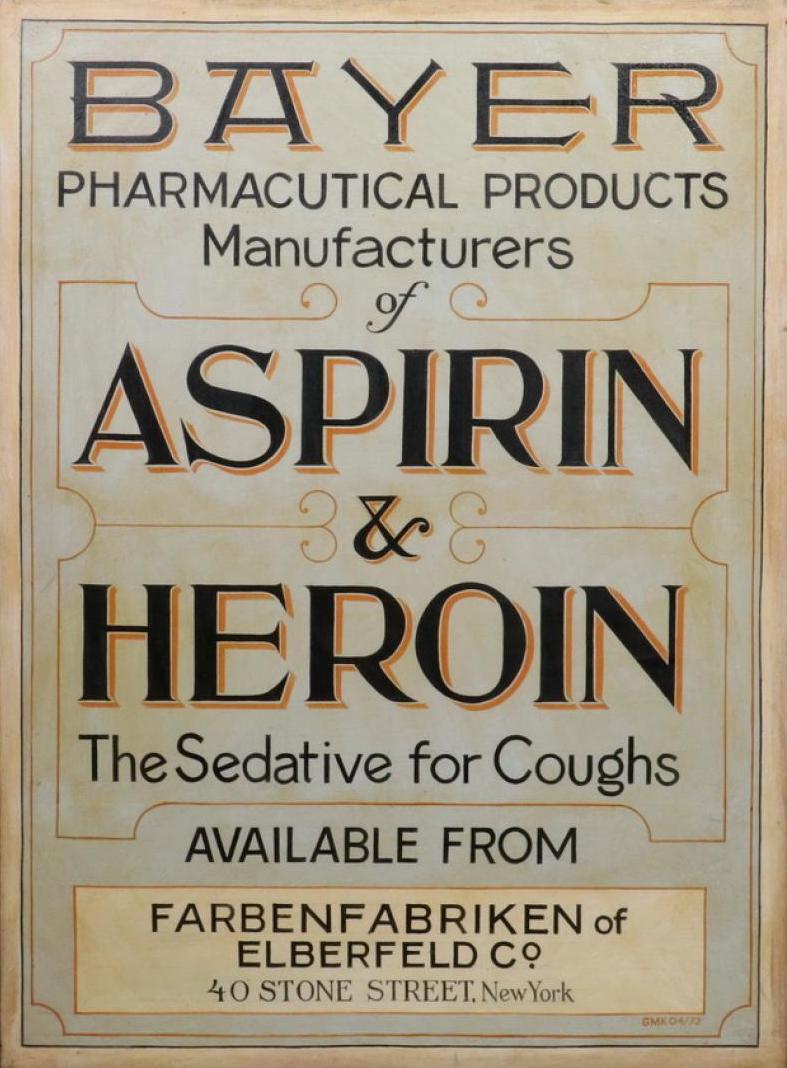
- Re synthesized again in 1897 by Felix Hoffmann who is a German chemist, heroin marketed initially as an over the counter drug for cough suppression to replace the addictive morphine
- Soon in 1910 heroin had one of the highest addiction among its users
- In 1924, United States banned heroin

Pharmacokinetics
- Administration: oral and IV are the most common formulas
- Absorption: the oral form is very well absorbed which then undergoes extensive first pass effect via deacetylation to be converted to morphine
- Distributed quickly to tissues especially the brain
- Metabolized by liver and excreted through kidney and liver
Mechanism of action
- heroin works on the opioid receptors which are three major receptors Mu (μ), delta (δ) and kappa (κ) which are available everywhere in the body , especially in the central nervous system
Pharmacologic effects
- Heroin produces greater pharmacologic effects than the morphine
Pharmacologic Effects
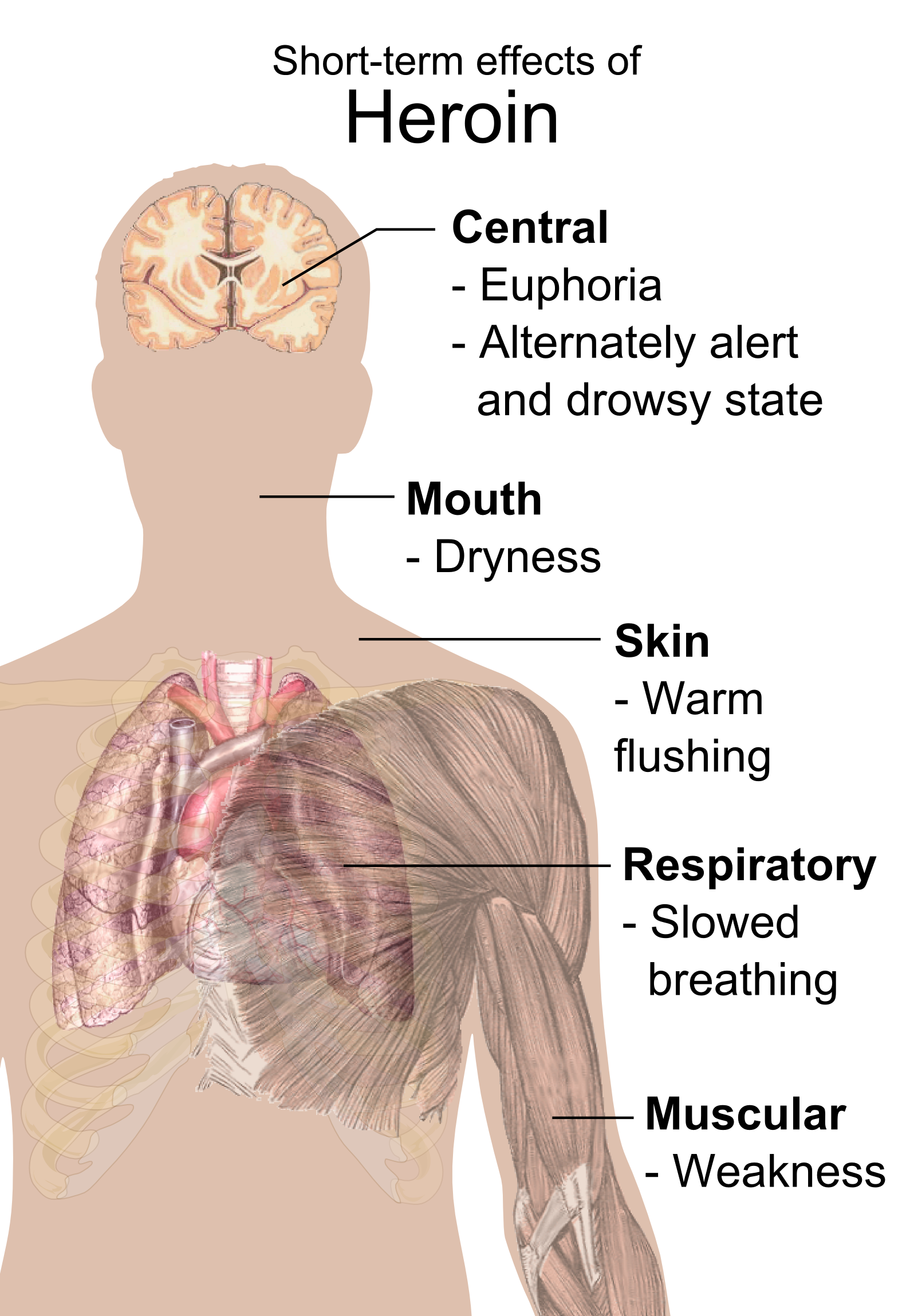
Activation of these opioid receptors lead to several central effects (CNS effects):
- Analgesia
- Euphoria
- Sedation
- Respiratory depression
- Cough suppression
- Miosis
- Nausea and vomiting
- Pruritus
Activation of these opioid receptors lead to several peripheral effects including:
- CVS
- GIT
- RS
- Renal
- Endocrine
- Immune
Adverse effects
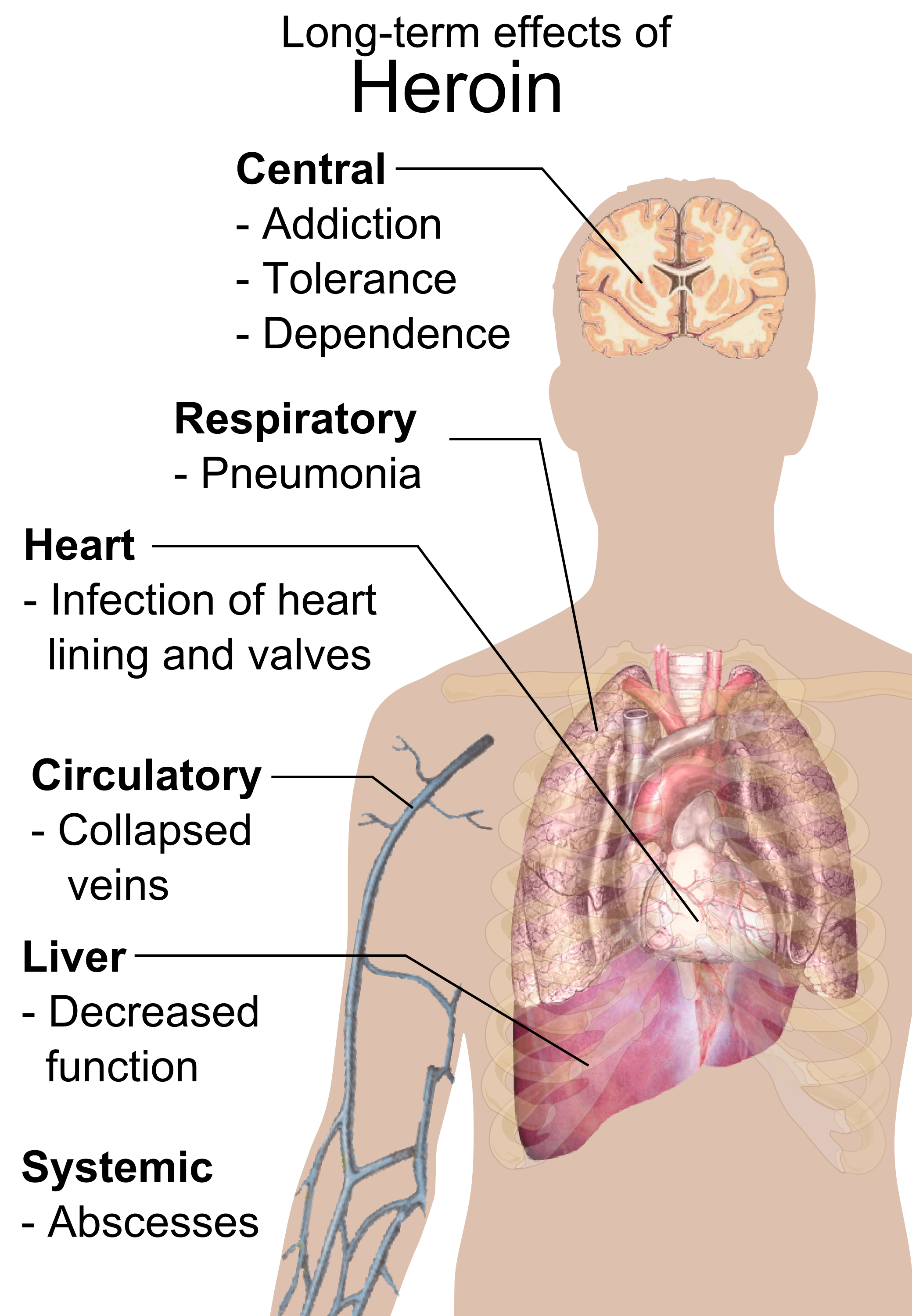
- Tolerance
- Physical dependence
- Addiction
- Respiratory system: bronchoconstriction due to histamine release
- Cardiovascular system: Postural hypotension and bradycardia
- GIT system: nausea, vomiting, constipation and biliary colic
- Urinary: may cause urine retention due to detrusor muscle activation especially in patients with benign prostatic hyperplasia
- Eye: miosis is consistent in heroin addiction
Continue learning
Practice the topics covered in this lecture.