
Pharmacology
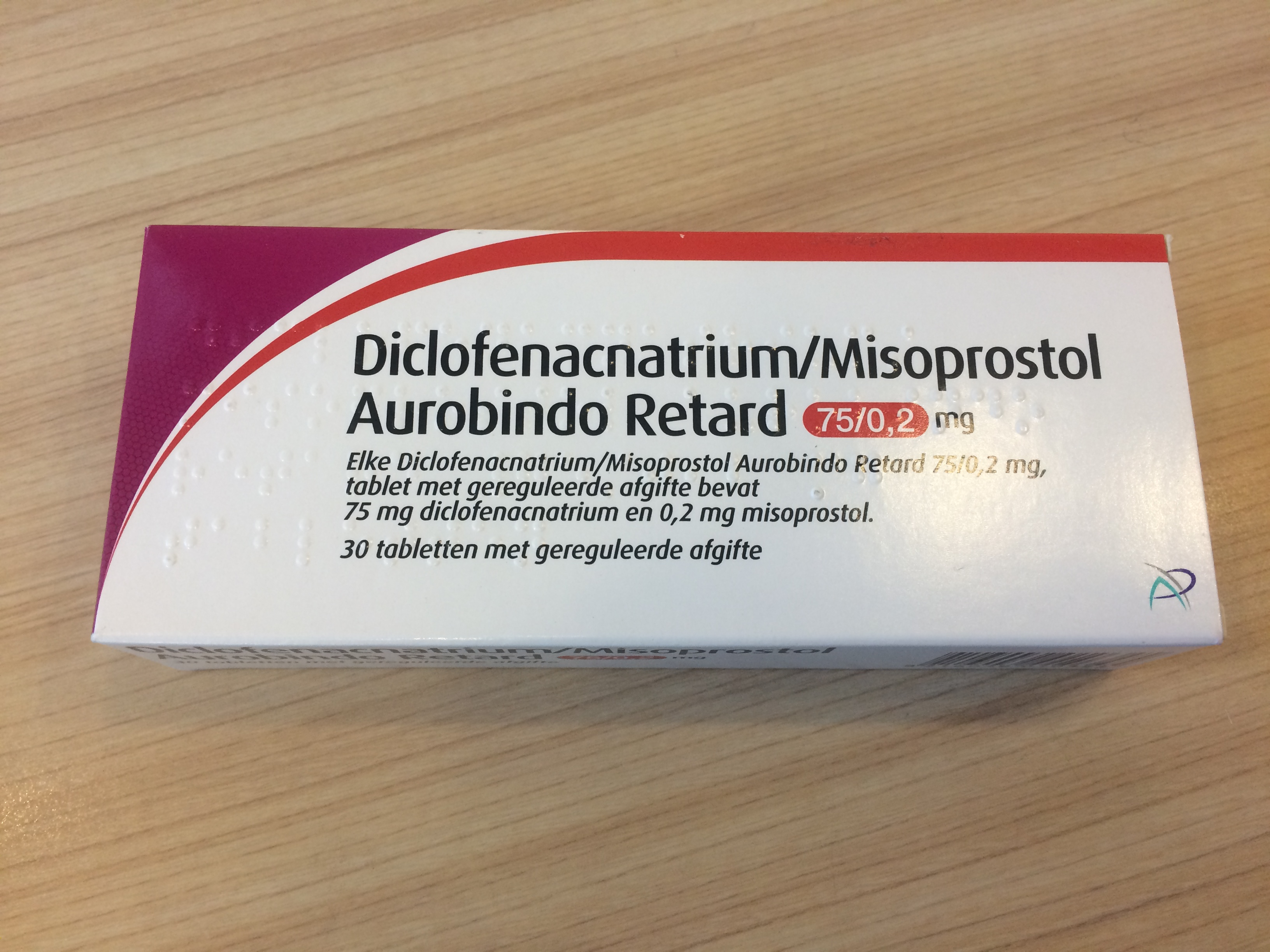
Misoprostol: Mechanism of Action, Therapeutic Uses & Adverse Effects
Source presentation · 3 min read
Edits save on this browser. Download a copy for your records.
Mechanism of action
- Misoprostol is a synthetic PG E1 analog
- It work through direct stimulation of PG E1 receptor on the stomach parietal cell => inhibition of basal and nocturnal gastric acid secretion
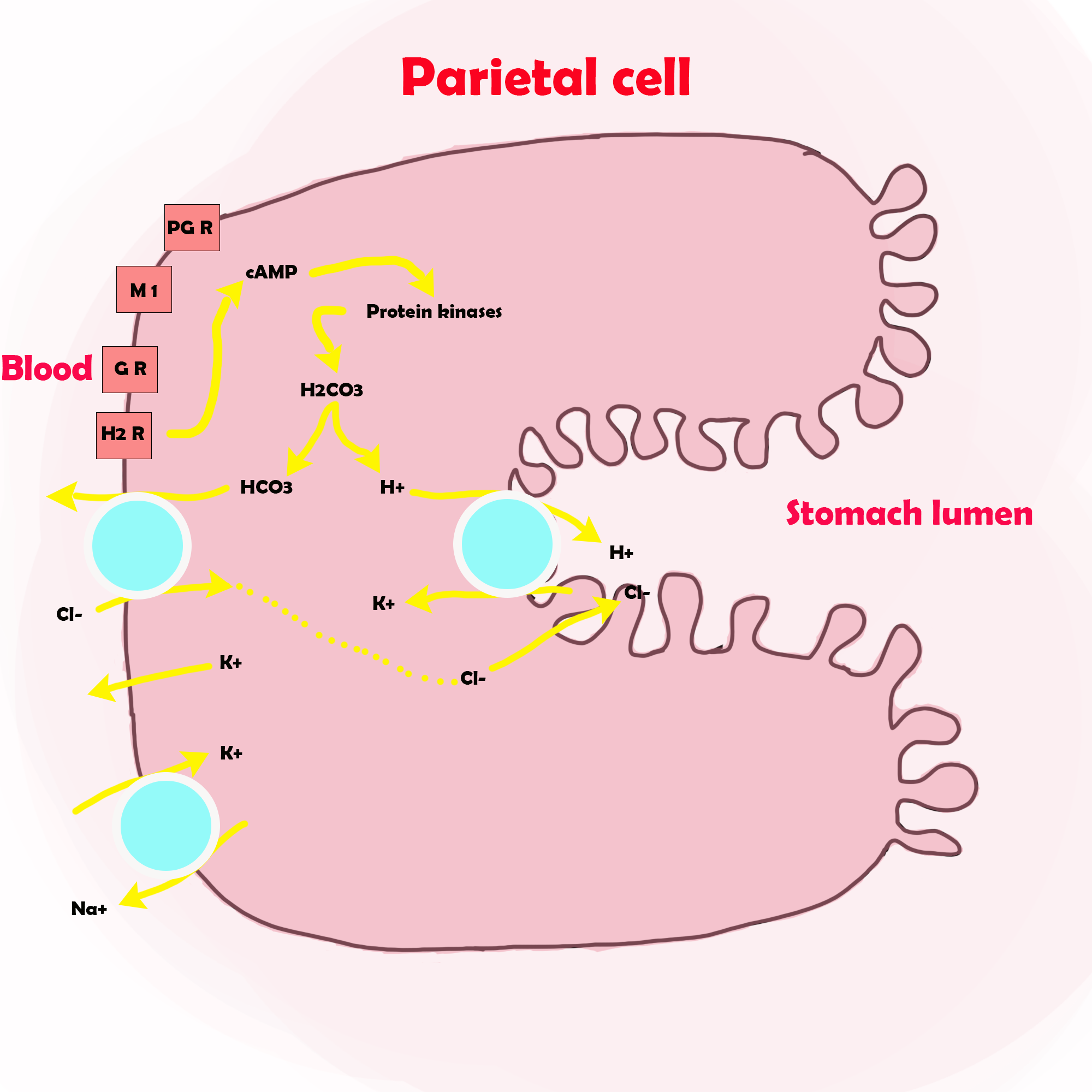
- Misoprostol increases mucus and bicarbonate secretion and improves mucosal blood flow leading to faster healing of PUD
- Misoprostol also binds to smooth muscle cells of the uterine lining leading to uterotonic effects, it also promote cervical ripening and dilation
Therapeutic uses
- Misoprostol is FDA approved for prevention and treatment of NSAIDs induced PUD in patient taking NSAIDs and are at high risk for PUD (PPIs are preferred because they are better tolerated)
- Misoprostol is used off label for short term treatment of active PUD caused by other factors; it is used for short term only because of the GI adverse effects and frequent dosing which is hard for patients to adhere to (200 mcg four times daily)
- A combination of misoprostol 200 mcg and mifepristone 200mg is FDA approved for medical abortions up to 70 days gestation; and misoprostol alone is indicated if mifepristone is unavailable
- Misoprostol 800 mcg is used off label to terminate pregnancy in second trimester as monotherapy or combined with IM methotrexate
- Misoprostol also used off label for expectant management of missed and incomplete abortions; and at much smaller doses for induction of labor 25 mcg and in treatment of postpartum hemorrhage 1000 mcg if other uterotonic meds not available
Pharmacokinetics
- Misoprostol is available as oral formulations, it is absorbed rapidly after administration, onset of action in 30 min and for 3 hours duration
- Misoprostol is a prodrug, it is metabolized into active metabolite (misoprostol acid) and excreted as inactive metabolites in urine
Adverse effects
- Most common ADRs include diarrhea and abdominal pain secondary to exposure to misoprostol acid released during its metabolism
- Fever and chills are also common and secondary to PG effect on the hypothalamus
- Other common ADRs: nausea, vomiting, constipation, dyspepsia, headache, menstrual irregularities and breakthrough bleeding, lethargy, weakness and vertigo
- Less common ADRs: hypotension, sinus tachycardia, edema, MI (due to misoprostol induced vasospasm especially in patients with CVS disease), PE, anaphylactic reactions and thrombosis
- If given to a pregnant woman: fetal bradycardia and death, uterine contractions and pain, vaginal bleeding, uterine rupture (highest risk if given beyond 8 weeks of gestation) , cervical lacerations and teratogenesis
Contraindications
- Contraindicated in pregnant women and women in child bearing age, if it has to be given then serum pregnancy test should be done and it has to be negative
- Previous allergic reactions
Continue learning
Practice the topics covered in this lecture.