
Pharmacology
Suvorexant Pharmacology: Mechanism of Action, Therapeutic Uses & Adverse Effects
Source presentation · 2 min read
Edits save on this browser. Download a copy for your records.
Overview
- Famous trade name: Belsomra
- It was first synthesized in 2006
- Suvorexant is an orexin receptor antagonist that is used in treatment of insomnia
Orexin
- Orexin 1 and 2 are peptides which are available in some neurons in the hypothalamus and their function is promote wakefulness
- When there is higher level of orexin, those neurons get activated to keep the body awake, but when their levels falls then this lead to sleep
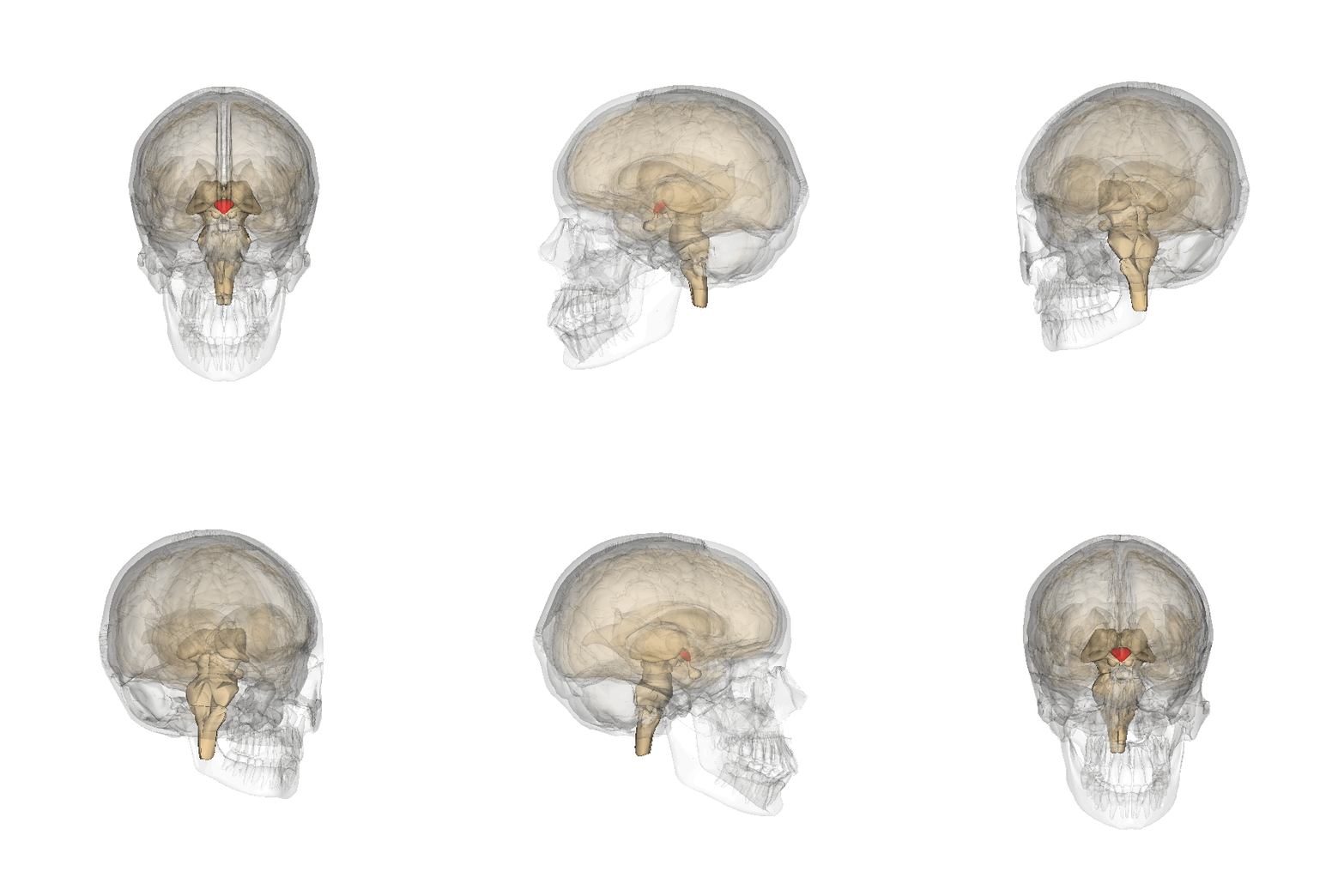
- Orexin receptor antagonists (suvorexant) work by antagonizing orexin so the body gets to sleep
- Suvorexant work by antagonizing both orexin 1 and 2 receptors
Therapeutic uses
- Suvorexant is FDA approved for treatment of sleep onset and sleep maintenance insomnia
Adverse effects
- Next day somnolence similar to narcolepsy
- Narcolepsy is a disease that is characterized by loss of the orexin neurons leading to day time sleepiness, when antagonizing orexin, similar effect to narcolepsy happen
- Headache, dizziness, abnormal dreams
- Dry mouth
- Rare: Sleep paralysis, hallucinations, complex sleep behaviors and suicidal ideation
- Tolerance and dependence doesn't occur with suvorexant
Contraindications
- Suvorexant is contraindicated in people with narcolepsy
Pharmacokinetics
- Available as oral formula only
- Absorption is good with bioavailability of 82%
- It is metabolized by CYP3A4 enzymes in the liver, and it is liable to be affected by CYP3A4 inducers and inhibitors
- Elimination half life is around 12 hours
- Excretion: 60% through bile and the rest in urine
Continue learning
Practice the topics covered in this lecture.