
Pharmacology
Fibrinolytic Drugs (Thrombolytics): Mechanism of Action, Therapeutic Uses and Adverse Effects
Source presentation · 4 min read
Edits save on this browser. Download a copy for your records.
Video contents
Fibrinolytic (thrombolytic) drugs:
- Physiological fibrinolysis
- Fibrinolytic drugs
- Mechanism of action
- Therapeutic uses
- Adverse effects
- Monitoring and toxicity
Physiological Fibrinolysis
- When a pathogenic fibrin clot is formed inside the human body, plasminogen gets in contact with this clot
- Then Plasminogen becomes activated into plasmin by the help of tissue plasminogen activators (tPAs) released from the tissues around the clot
- Plasmin causes the clot to dissolve
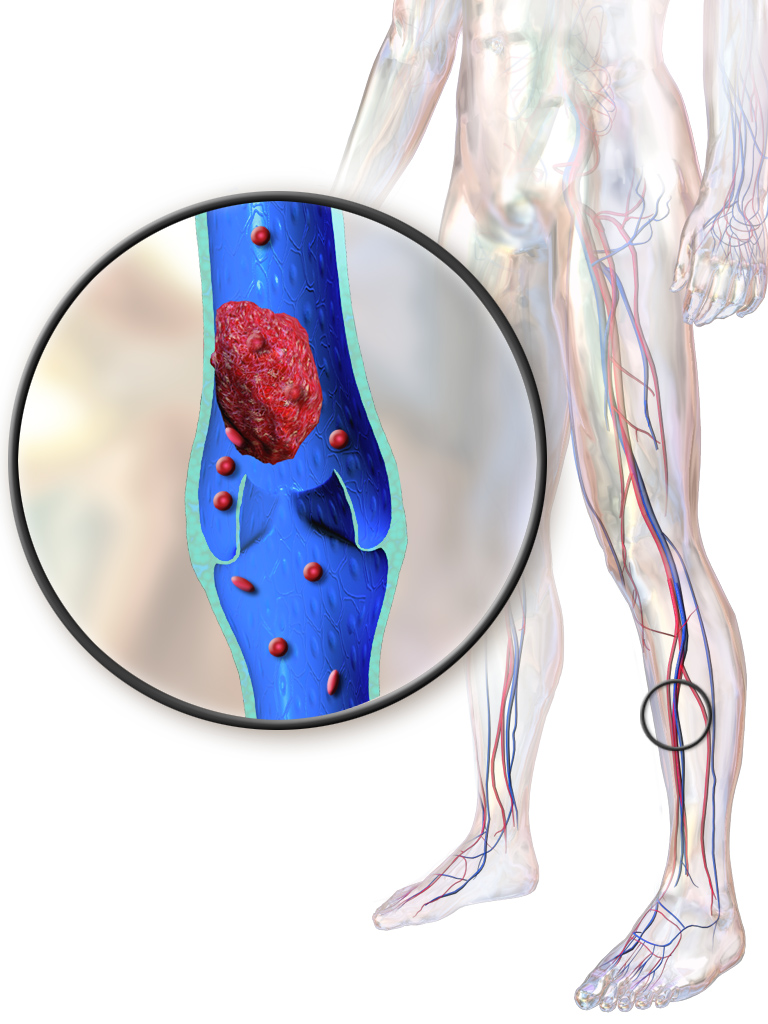
- These endogenous tissue plasminogen activators, bind selectively to the fibrin in the formed thrombus and avoid systemic activation of plasminogen
- This process is slow, it takes several days to weeks until the clot fully dissolved
Fibrinolytic Drugs
- In some situations, like in acute MI, we need rapid plasminogen activation to dissolve the clots blocking the coronary arteries and improve blood flow to save the heart from dying
- And that is when the fibrinolytic drugs came into use
- Fibrinolytic drugs cause rapid activation of plasminogen to form plasmin and clot will dissolve in few minutes
- BUT these medications activate both fibrin bound plasminogen and circulating plasminogen
- This lead to dissolution of both pathogenic thrombi and protective hemostatic thrombi, leading to high risk of bleeding
Fibrinolytic (Thrombolytic) Drugs
- Streptokinase
- Urokinase
- Alteplase
- Tenecteplase
Streptokinase
- Streptokinase is a protein that is isolated from streptococci bacteria, it works by converting plasminogen into plasmin indirectly
- It works by binding to circulating plasminogen, to form a complex that convert additional plasminogen into active plasmin
- It has lower efficacy compared to alteplase
- It may cause allergy, fever and hypotension in some people
- It is relatively cheap and it is the most widely used fibrinolytic med
Urokinase
- Urokinase is a protease that is formed normally inside the kidney to prevent clotting inside the kidney tubules, it is prepared as a recombinant for medical use
- It has less incidence of allergy in comparison to streptokinase
- It works on both fibrin bound plasminogen and circulating plasminogen leading to high risk of bleeding associated with its use
Alteplase and Tenecteplase
- Those are human tPAs obtained by recombinant DNA technology
- Alteplase and Tenecteplase have a low affinity for circulating plasminogen in the plasma, but it rapidly activates plasminogen bound to fibrin in a thrombus or a hemostatic plug
- Alteplase has a very short half life (30 minutes), that is why a portion is injected as bolus then the rest is given by continuous infusion; while Tenecteplase have long half life, this permits administration as a bolus IV injection rather than by continuous infusion
Therapeutic uses of Fibrinolytics
- Acute MI, ischemic stroke, massive PE, and arterial thrombosis
- Before giving them, check for any contraindications that prevent giving them; so there would be no liability for bleeding
- They are not used in DVT and most of the PE treatment due to the high bleeding risk
Contraindications
- Absolute
- Recent intracranial hemorrhage (ICH)
- Structural cerebral vascular lesion
- Intracranial neoplasm
- Ischemic stroke within three months
- Possible aortic dissection
- Active bleeding or bleeding diathesis (excluding menses)
- Significant head injury or facial trauma within three months
- Recent Intracranial or spinal surgery
- Severe uncontrolled hypertension
- For streptokinase, previous treatment within six months
- Relative
- History of severe and poorly controlled hypertension
- Severe hypertension at presentation (systolic blood pressure >180 mmHg or diastolic blood pressure >110mmHg)
- Prolonged (>10 minutes) cardiopulmonary resuscitation (CPR) or major surgery within three weeks.
- History of ischemic stroke.
- Dementia
- Internal bleeding within 2 to 4 weeks
- Noncompressible vascular punctures
- Pregnancy
- Active peptic ulcer
- Concurrent therapy of anticoagulants is associated with an elevated international normalized ratio (INR) higher than 1.7 or a prothrombin time (PT) longer than 15 seconds
Adverse effects
- Bleeding: risk is higher with streptokinase and urokinase
- Streptokinase may lead to allergy, fever and hypotension
- Alteplase may cause angioedema, especially if combined with ACE
- Reperfusion arrhythmia if used in MI
Monitoring
- Patient receiving fibrinolytic therapy should undergo constant neurologic and cardiovascular evaluation and blood pressure every 15 minutes during treatment infusion and after for at least 2 hours
- Then half hourly for 6 hours and hourly for 16 hours after injection
- Treatment should stop when there is signs of neurologic deterioration or bleeding
Treatment of bleeding
- FFP or cryoprecipitate can help refurbish clotting factors
- Antifibrinolytic drugs like aminocaproic acid or tranexamic acid can be used to reverse the fibrinolytics effects
Continue learning
Practice the topics covered in this lecture.