
Pharmacology
Beta 2 Adrenergic Agonists: Mechanism of Action, Therapeutic Uses and Adverse Effects
Source presentation · 2 min read
Edits save on this browser. Download a copy for your records.
Video contents
- Beta 2 adrenergic agonists
- Classification
- Administration
- Mechanism of action
- Therapeutic uses
- Adverse effects
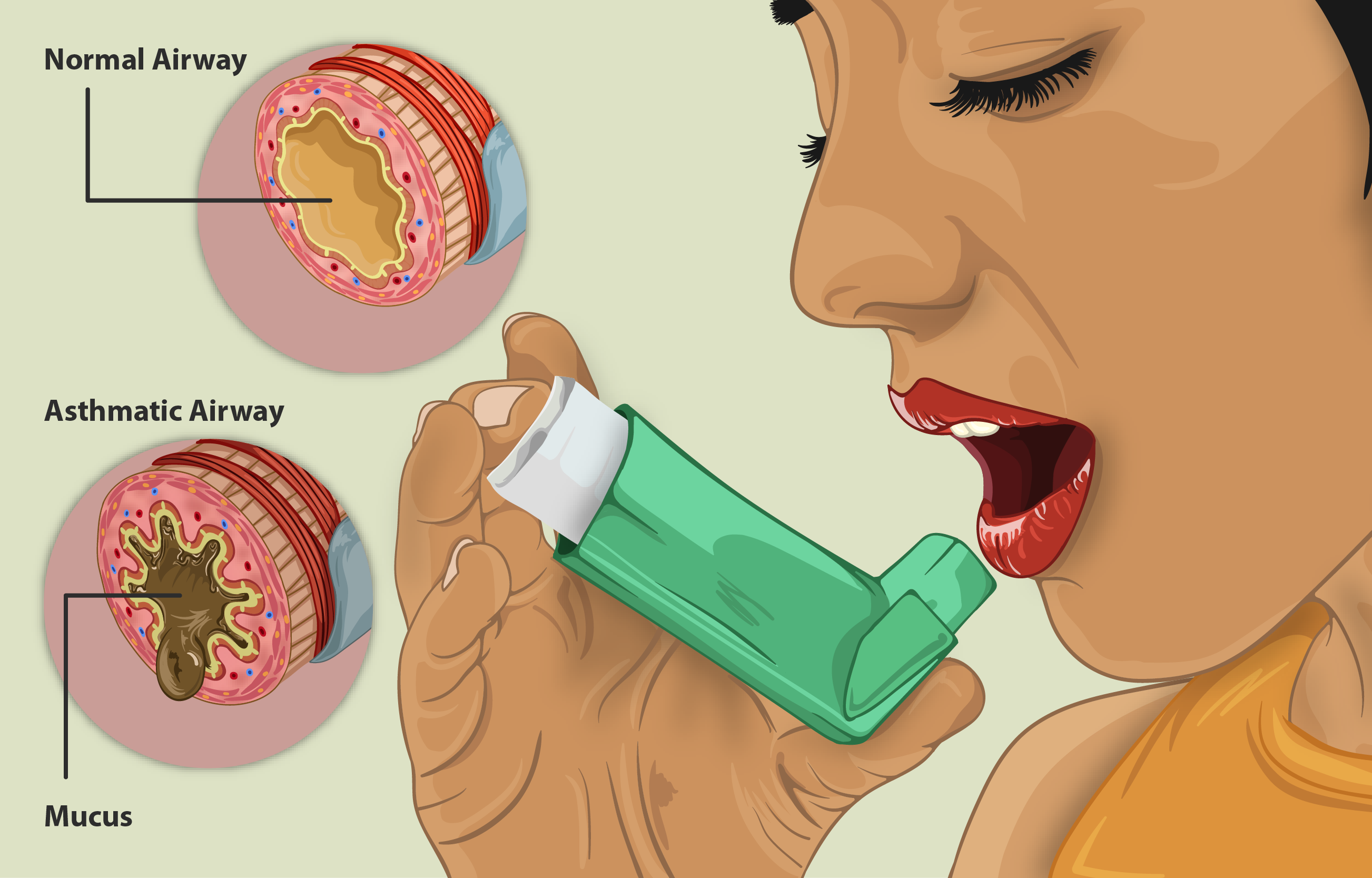
Bronchodilators
- Beta 2 adrenergic agonists
- Muscarinic receptor blockers: ipratropium
- Xanthines: theophylline
Beta adrenergic agonists classification
- Non selective Beta adrenergic agonists: e.g. adrenaline and ephedrine
- Selective Beta 2 agonists:
- SABA (short acting beta agonist): salbutamol, terbutaline (duration of action is around 3-6 hours)
- LABA (Long acting beta agonist): salmeterol and formoterol (duration of action is around 10 hours)
- Ultra LABA: indacaterol (duration of action is around 24 hours)
Administration
- Routes of administration for these medications: metered dosed inhalers, nebulizers, dry powder inhalers, orally, subcutaneously or intravenously; inhalation being the preferred route (less side effects)
- In acute asthma: they are given by inhalation or IV infusion
- In chronic asthma: they are given orally or by inhalation
Mechanism of action
They work on the respiratory system by Multiple mechanisms:
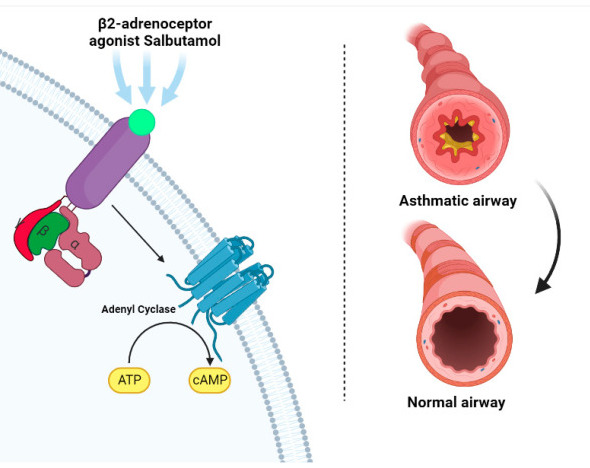
- Activation of bronchial Beta 2 receptors, will lead to increase cAMP levels which lead to airway smooth muscle relaxation and bronchodilatation
- Beta 2 agonists are though to also work as anti-inflammatory on the airways by reducing intracellular adhesion molecule 1, reducing granulocyte- macrophage colony stimulating factors release and stabilizing the mast cells (less histamine release)
Therapeutic uses
- in asthma diagnosis and treatment
- In COPD
Adverse effects
- Tachycardia and arrhythmia due to
- Direct activation of cardiac beta 1 receptors (it is selective but not that selective)
- In skeletal muscle blood vessels, same beta 2 receptors are present, when activated it would lead to vasodilatation => hypotension => reflex tachycardia
- Tremors caused by skeletal muscle beta 2 receptors activation
- Tolerance with prolonged use (require temporary cessation of the drug)
- Hypokalemia (due to shift of potassium from blood to cells) => they are used in treatment of hyperkalemia
- Excessive sweating, anxiety, insomnia and agitation due to activation of sympathetic nervous system
Continue learning
Practice the topics covered in this lecture.