
Clinical medicine
Junctional Rhythm: Pathophysiology, ECG Characteristics, Classification, Causes and Treatment
Source presentation · 4 min read
Edits save on this browser. Download a copy for your records.
Junctional rhythm
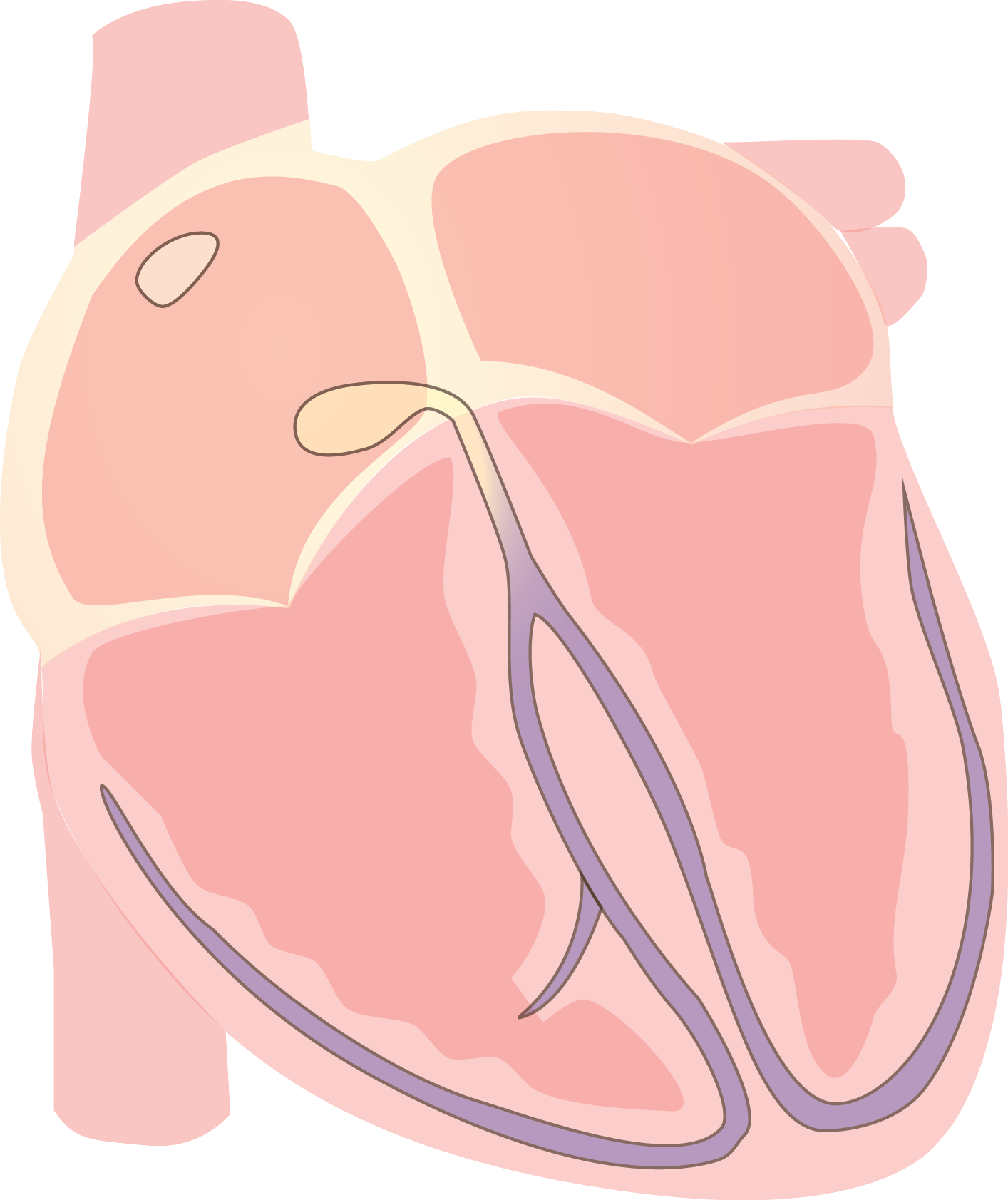
- In normal heart, the electrical activity originates in the sinoatrial node (default pacemaker) and depolarizes the atria then it passes from the atria through the atrioventricular node and into the bundle of His, from which it travels along Purkinje fibers to reach and depolarize the ventricles (sinus rhythm)
- Junctional rhythm (nodal rhythm) is when the electrical activity originates from the atrioventricular node or the His bundle (junction between atria and ventricles) then it travels to the atria and ventricles and depolarizes them
ECG characteristics
- Regular rhythms
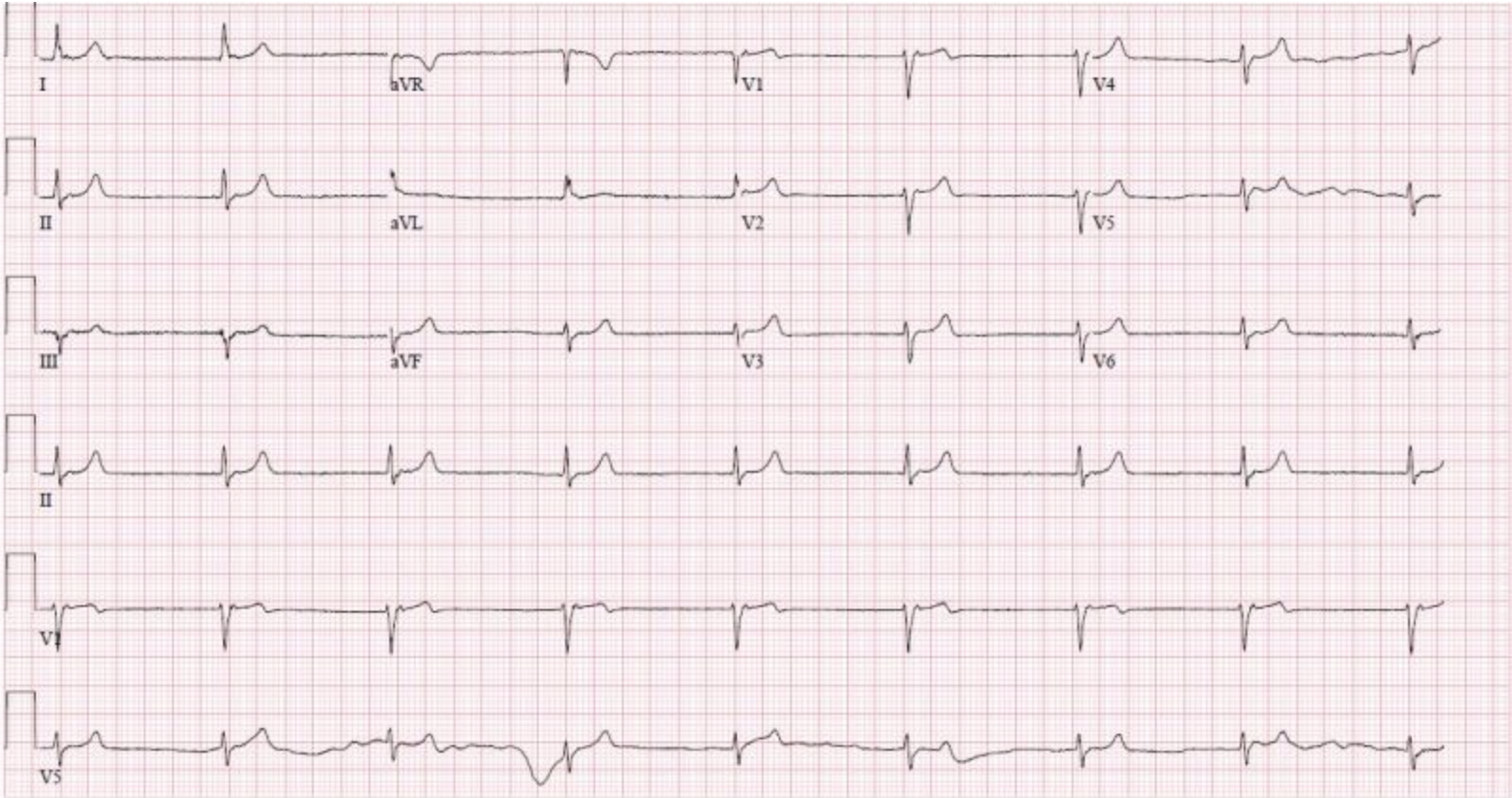
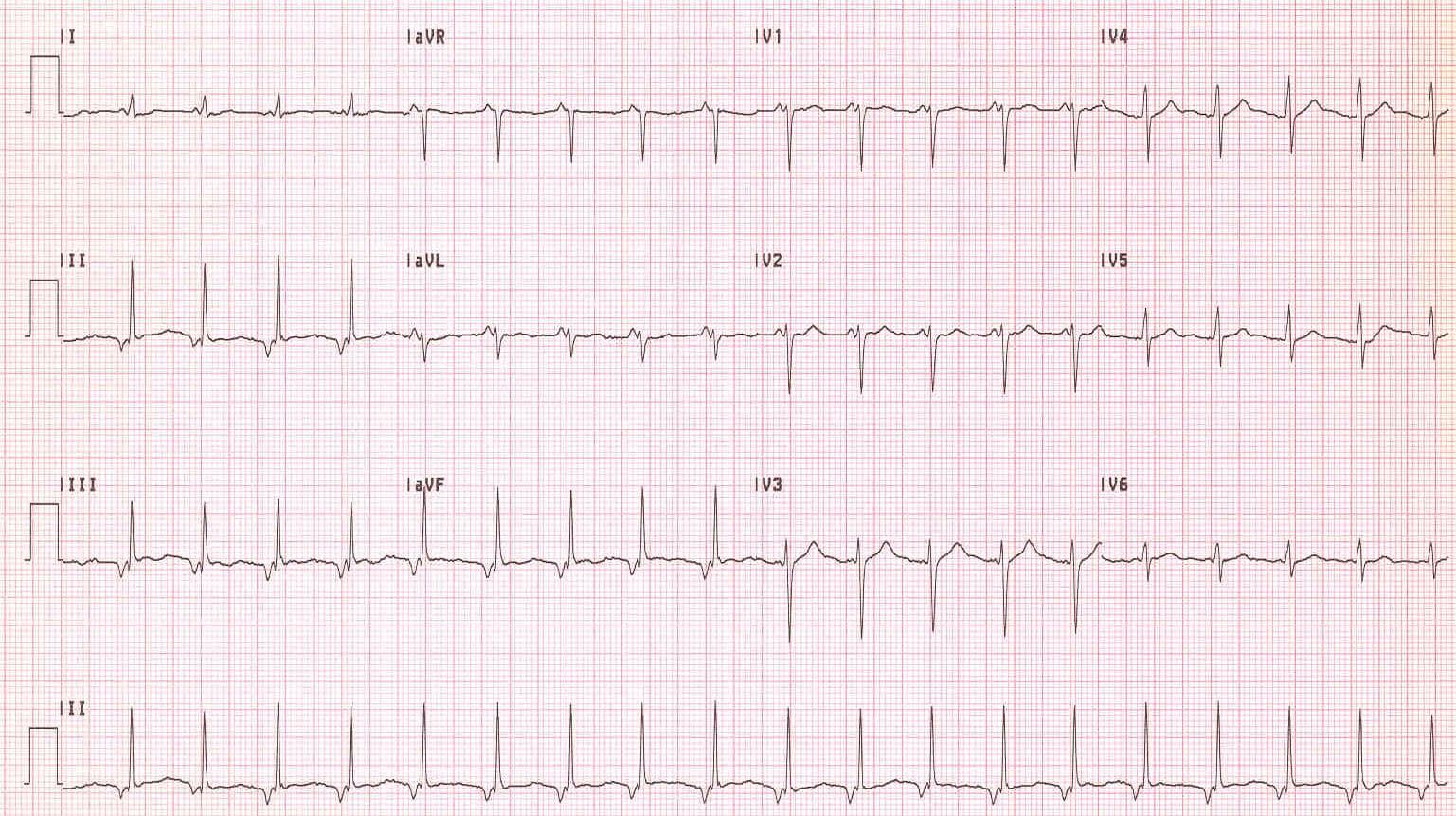
- Normal QRS. Since the impulse still travels down the bundle of His, the QRS will not be wide
- Junctional rhythms can present with either bradycardia, a normal heart rate, or tachycardia
P wave:
- There might be no P wave (this is due to failure of electrical activity to pass through to atria or the p wave is hidden within the QRS complex)
- There maybe an inverted P wave before the QRS complex (P wave inverted due retrograde flow of electrical activity to the atria)
- The inverted P wave is after the QRS complex means electrical activity flows to the ventricles first then to the atria
- Depending on where the rhythm originates in the AV node, the atria can contract before ventricular contraction due to retrograde conduction, during ventricular contraction, or after ventricular contraction. If there is a blockage between the AV node and the SA node, the atria may not contract at all.
Classification
- Depending on the level of the rescue pacemaker within the junction, junctional rhythm rate is different
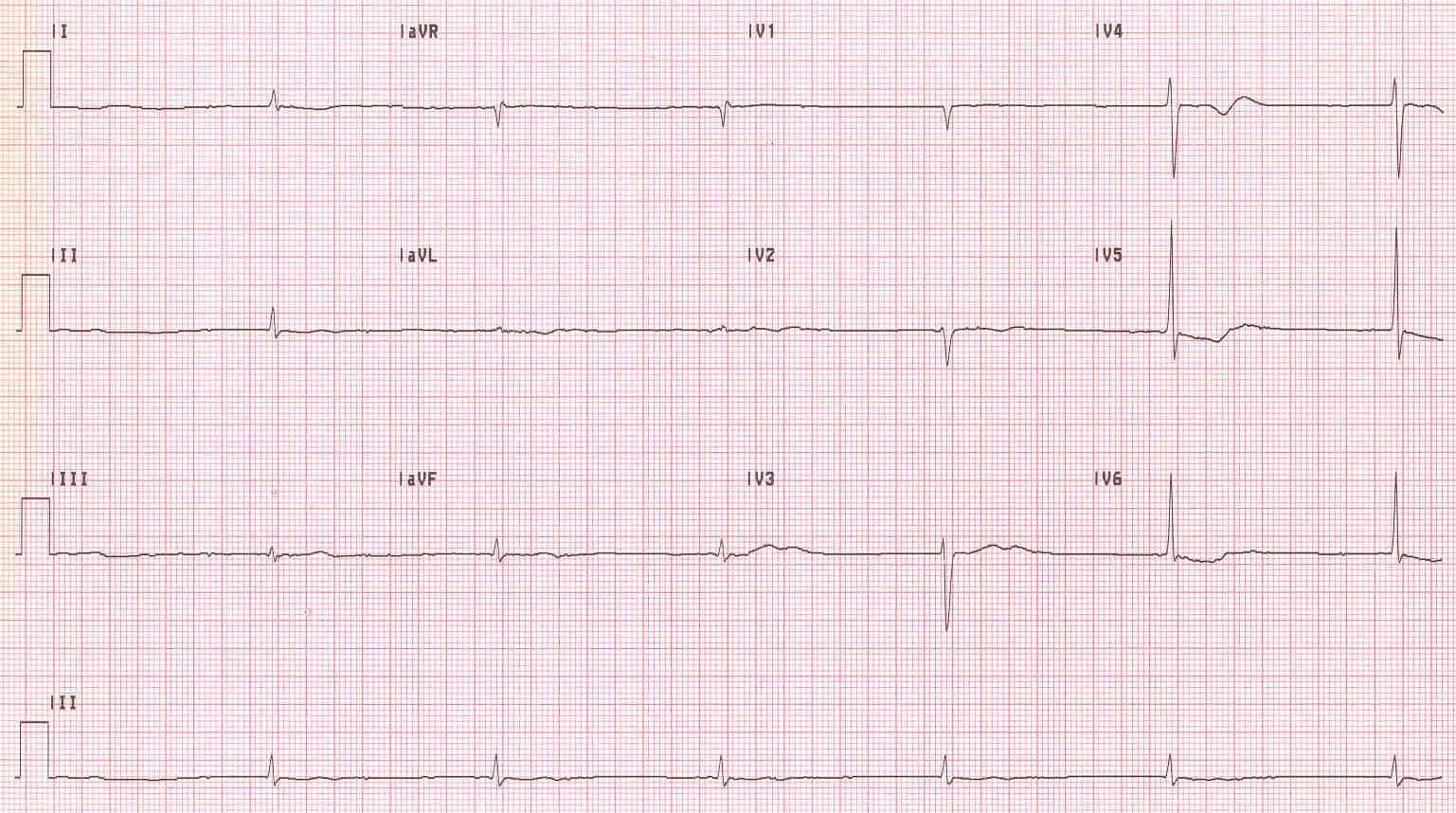
- Junctional bradycardia when the heart beats at a rate less than 40 beats per minute.
- Junctional escape rhythm when the heart beats at a rate between 40 and 60 beats per minute.
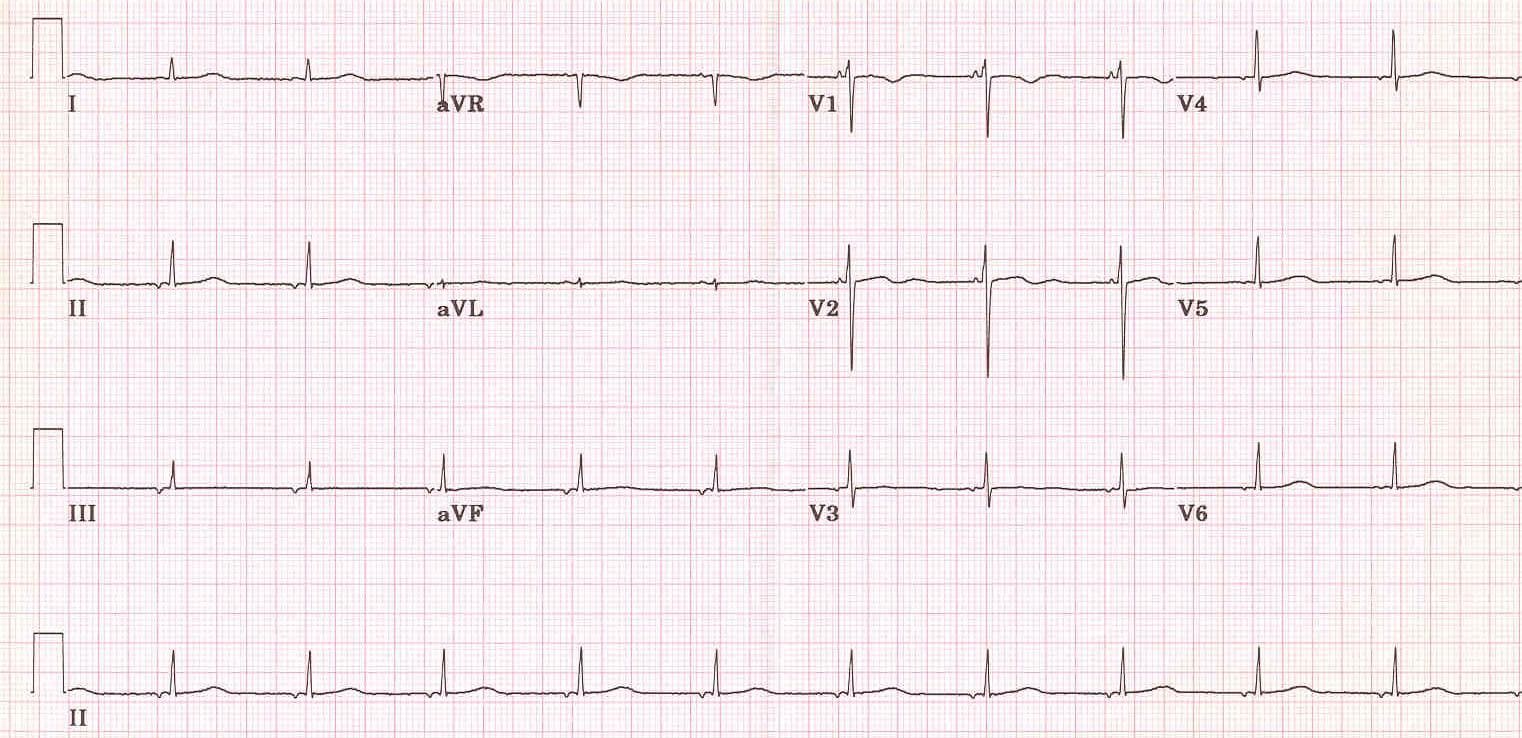
- Accelerated junctional rhythm when the heart beats a rate of between 60 and 100 bpm, common in digoxin toxicity
- Junctional tachycardia when the heart beats at a rate above 100 beats per minute.
Causes
Any disorder that impairs the SA node leading to decreased automaticity or less automaticity than AV node in cases of sinus bradycardia, SA node exit block, or AV block can potentially lead to a junctional rhythm. Some examples include:
- Chest trauma
- Ischemic heart disease
- Sick sinus syndrome
- Myocarditis
- Hypothyroidism
- Hyperkalemia
- Muscular dystrophy
- Other neuromuscular disorders
- Other examples
- Radiation therapy
- Collagen vascular disease
- Medications: clonidine, reserpine, adenosine, cimetidine, antiarrhythmic class I to IV, lithium amitriptyline, beta blockers, ivabradine, opioids and digoxin
- Vasovagal stimulation
- Carotid sinus hypersensitivity
- Inherited channelopathies
- Lyme disease
- Rheumatic fever
Notes
- If the ventricular rate is too slow, myocardial or cerebral ischemia may develop.
- When alternating rhythmically with the SA node, junctional escape beats may cause bigeminal or trigeminal rhythms.
Presentation
- Presentation varies according to underlying cause
- If patient is presenting with decompensated heart failure then symptoms include SOB, chest pian and peripheral edema
- Patient with rheumatic fever present with heart murmur due to damage of heart valves, fever, joint pain and rash
- Some patients present with generalized complains such as dizziness, fatigue, syncope and palpitations
Treatment
- Isolated, infrequent junctional escape beats usually do not require specific treatment.
- If junctional rhythm is producing symptoms, treat the underlying cause.
- In unstable patients with junctional rhythm causing bradycardia, give atropine 0.5 mg IV every 5 minutes to a total of 3 mg. This will accelerate the SA node discharge rate and enhance AV nodal conduction.
- Use transcutaneous or transvenous pacing in unstable patients not responsive to atropine.
Continue learning
Practice the topics covered in this lecture.