
Pharmacology
Levetiracetam Pharmacology: Mechanism of Action, Therapeutic Uses and Adverse Effects
Source presentation · 3 min read
Edits save on this browser. Download a copy for your records.
Antiepileptic drugs classification
| First generation (Classic) drugs | Second generation (newer) drugs |
|---|---|
| Phenytoin | Vigabatrin |
| Carbamazepine | Lamotrigine |
| Valproic acid | Topiramate |
| Ethosuximide | Levetiracetam |
| Phenobarbital | Gabapentin & pregabalin |
| Benzodiazepines | Tiagabine |
Overview
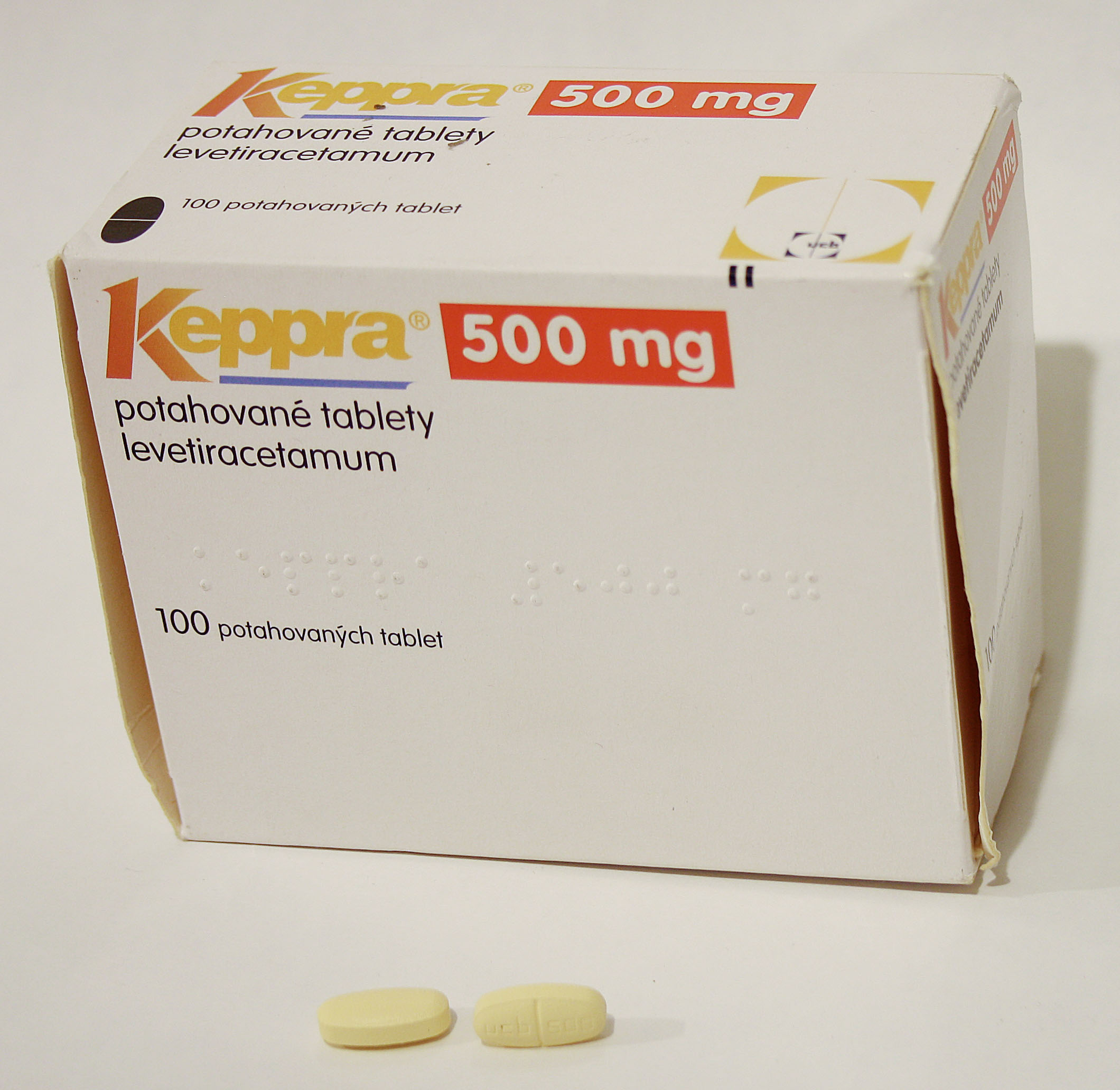
- Famous trade name: Keppra
- Broad spectrum antiepileptic and one of the most commonly prescribed antiepileptics because it has less adverse effects
- Levetiracetam was first approved for medical use in 1999 in US for treatment of epilepsy
Mechanism of action
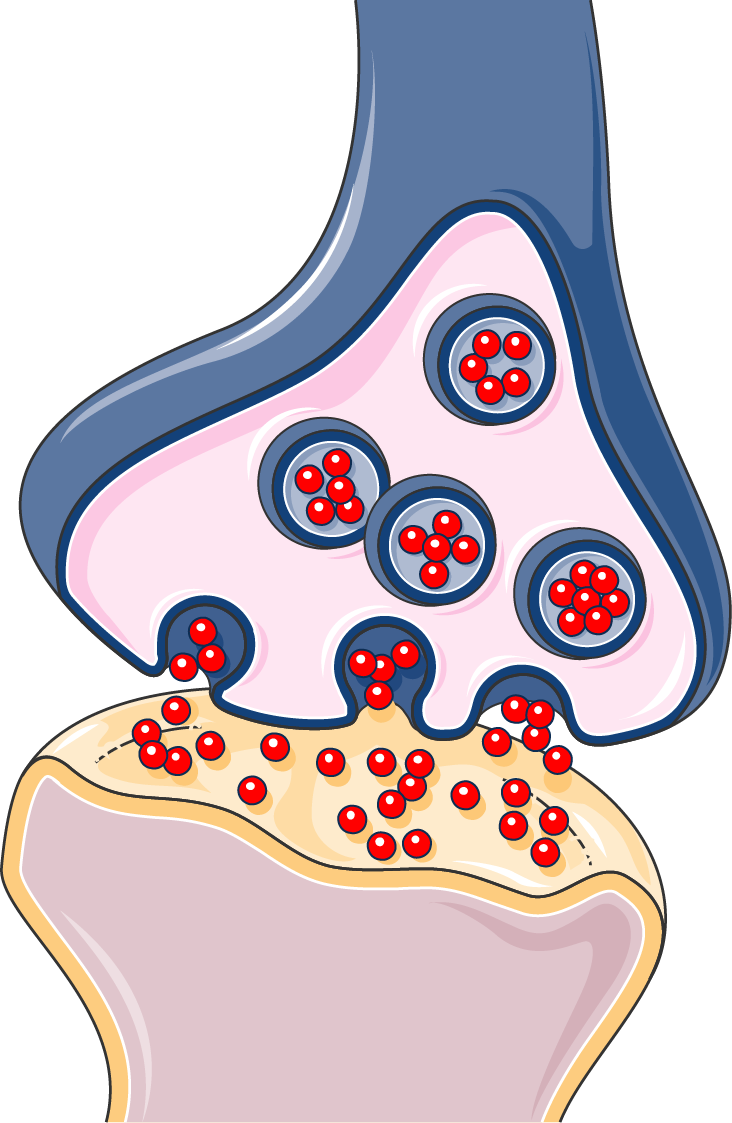
- Levetiracetam binds to SV2A protein and Inhibits it
- SV2A is a synaptic vesicle membrane proteins, SV2A function is to help in the process of exocytosis of the excitatory neurotransmitters into the synapse
- inhibiting SV2A by the levetiracetam lead to less excitatory neurotransmitters released to the synapse
Therapeutic uses
- Broad spectrum antiepileptic activity
- Can be used as monotherapy or as an add on
It’s FDA approved for:
- Focal seizures in adults and children
- Idiopathic generalized onset tonic clonic seizures
- Myoclonic seizures of juvenile myoclonic epilepsy in adolescents older than 12
It is used off label for:
- Status epilepticus
- For prophylaxis against seizures in subarachnoid hemorrhage, traumatic brain injury, palliative care
Adverse effects
- CNS: ataxia
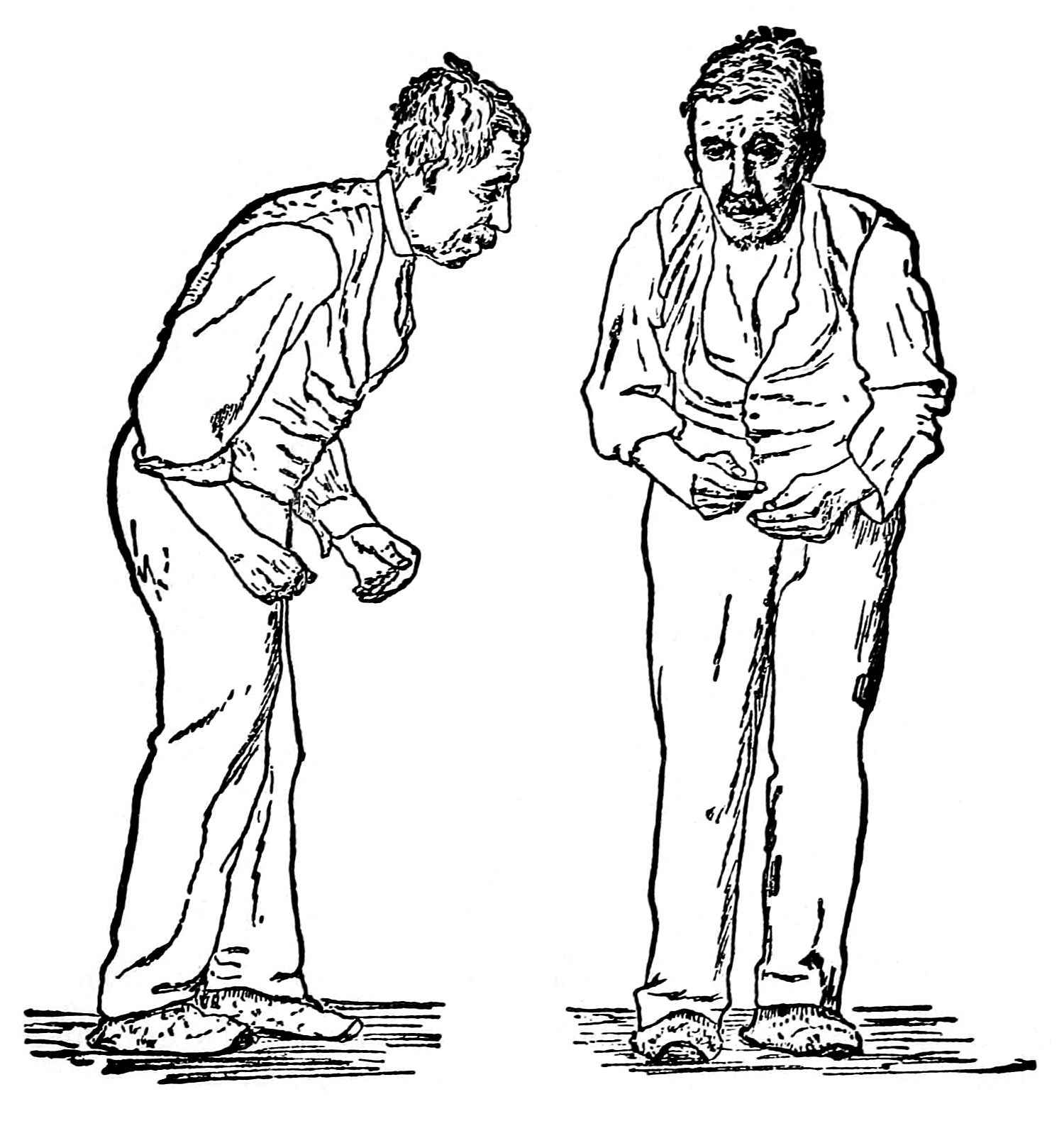
- Dizziness
- Lack of energy
- It also lead to leukopenia, eosinophilia and rarely pancytopenia
- Less commonly may lead to behavioral and mood changes such as irritability, aggression, agitation, anger, psychosis, anxiety, depression and emotional liability
- Rarely lead to hypersensitivity reactions in form of spreading rash progressing to SJS and TEN
Pharmacokinetics
- Available as oral and intravenous formulations
- Rapidly absorbed from the GI tract with 95% bioavailability, food slows absorption but doesn’t affect amount absorbed
- Distribution: the drug is protein bound by 10%, the rest is distributed to body tissues
- 30% of the drug is metabolized by enzymatic hydrolysis of acetamide group in the blood (the liver has minimal role) and the rest excreted unchanged in urine
- Plasma half life is around 7 hours
Dosing
- IV is the same as oral dose
- There is no loading dose
- Adult dosing: start with 500 mg twice daily and titrate up until response occur, titration every two weeks by 250-500 mg and max dose is 3000 mg
- Pediatrics: used in children older than 5 years, start with 20mg/kg per divided into 2 doses and titrate up by 20 mg/kg every 2 weeks, max dose is 60 mg/kg
Drug interactions
- Minimal drug interactions
Continue learning
Practice the topics covered in this lecture.