
Clinical medicine
Oxygen Therapy: Oxygen Delivery Devices, Indications, Adverse Effects, Monitoring and MORE
Source presentation · 5 min read
Edits save on this browser. Download a copy for your records.
In This Video
- Oxygen Therapy
- Oxygen Storage
- Oxygen delivery devices
- Indications of oxygen therapy
- Monitoring of oxygen therapy
- Adverse effects
- CO2 retention
- Hazards and risks
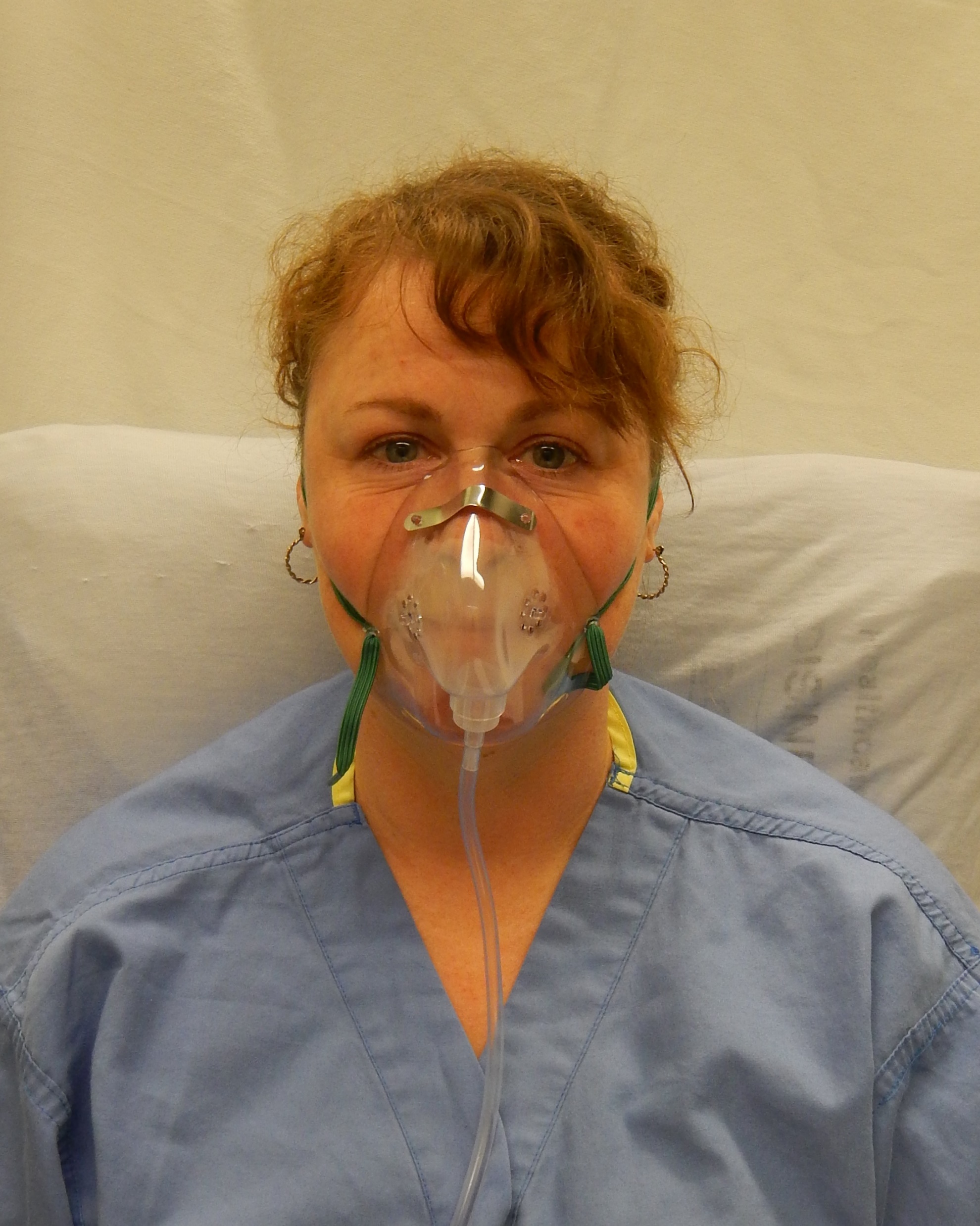
Definition
- Oxygen therapy means the use of supplemental oxygen for medical treatment
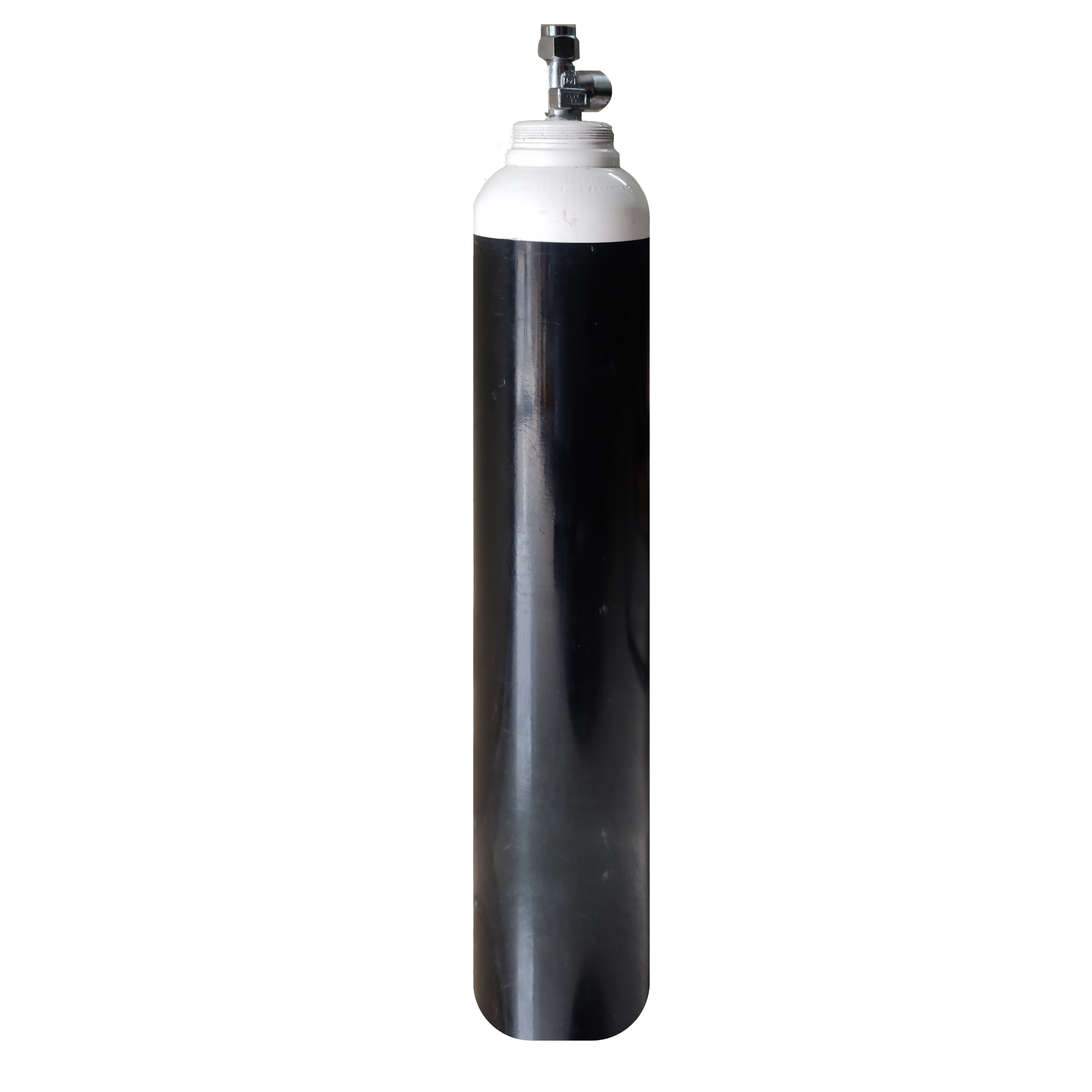
Oxygen storage
- Oxygen can be stored as a compressed gas in a high pressure oxygen storage cylinders
- Oxygen also stored as a liquid in dewar, cryogenic liquid cylinder
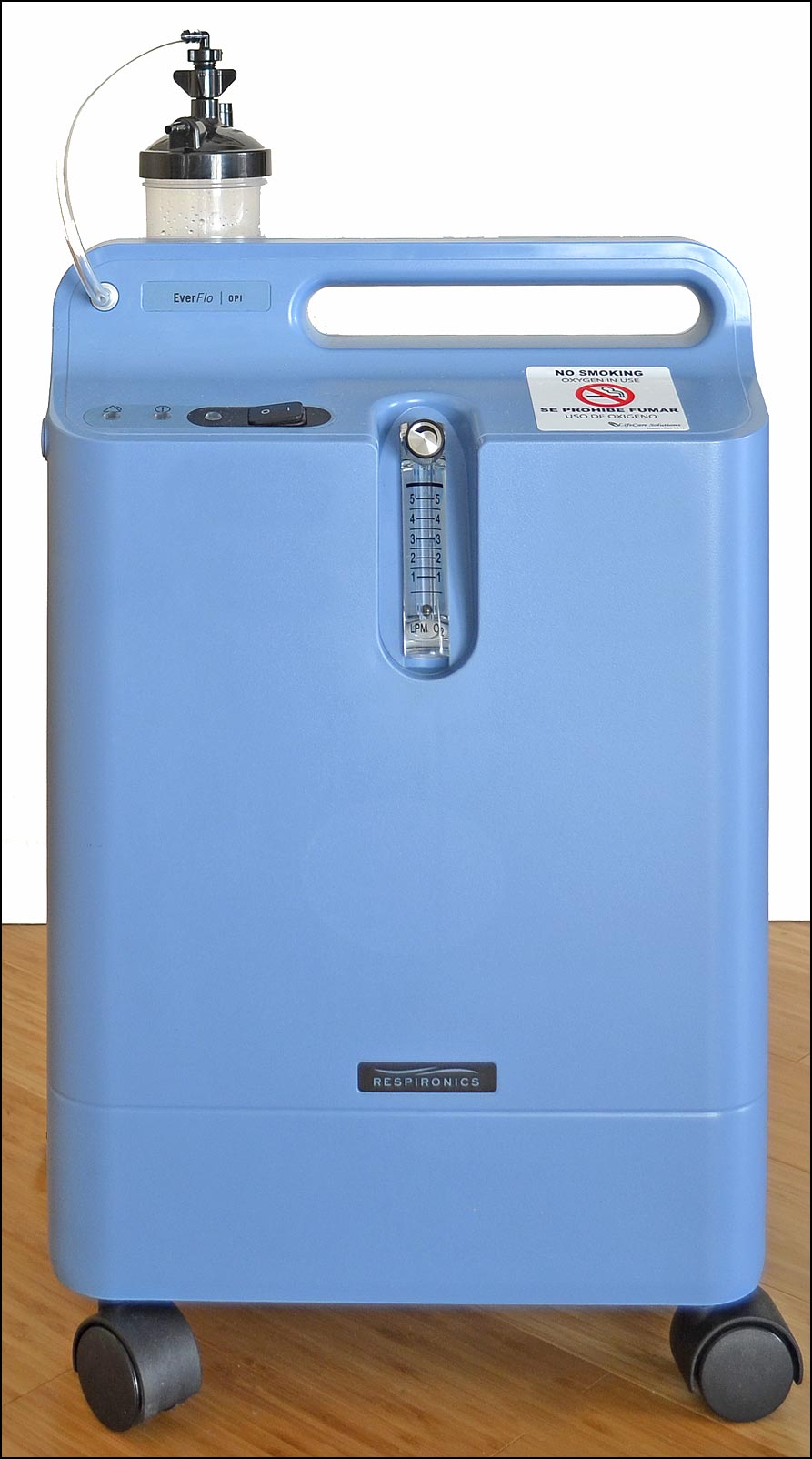
- Oxygen concentrators are also available for long term home use
- They work by concentrating the oxygen from the room air by selectively removing nitrogen using electricity
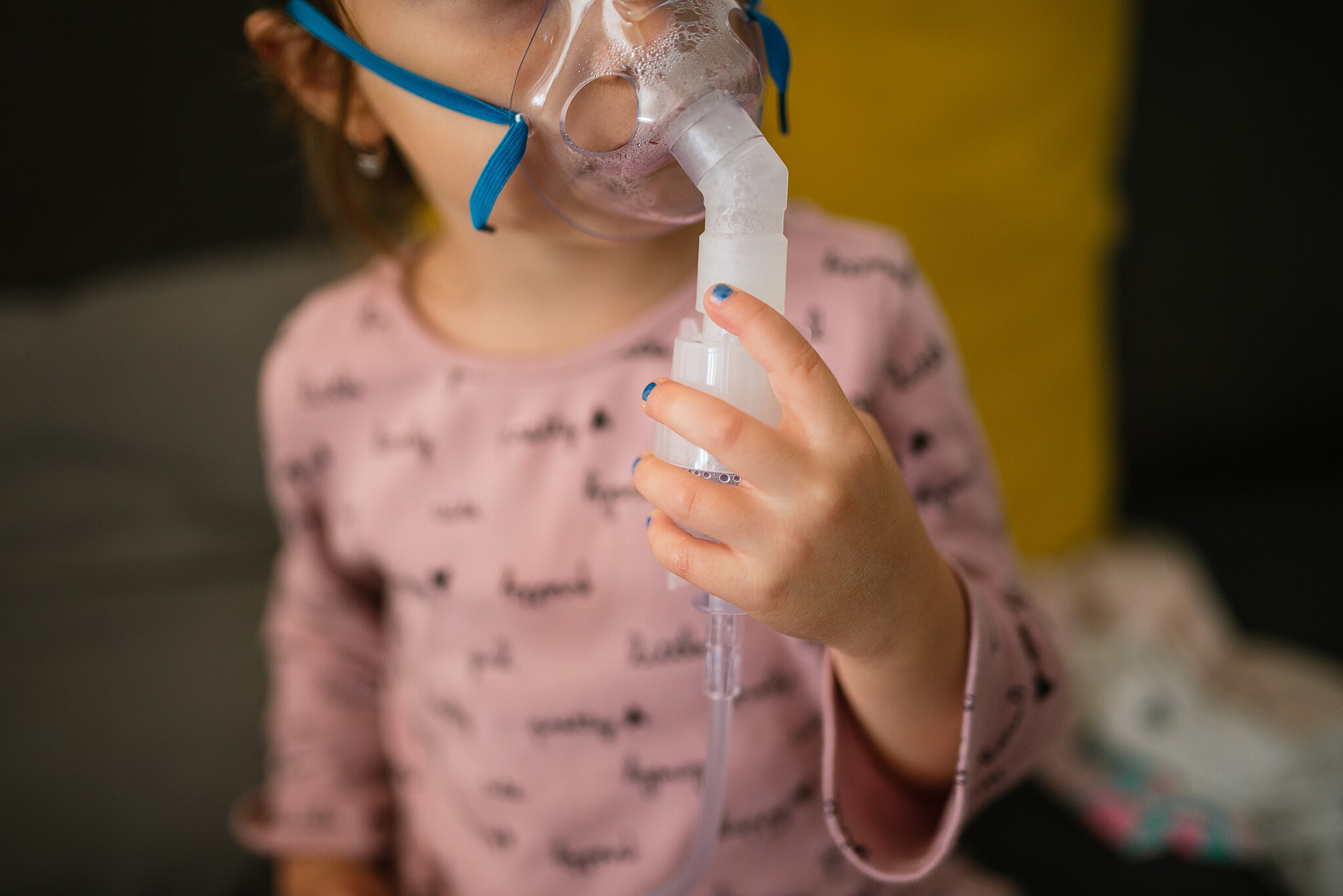
Oxygen delivery devices
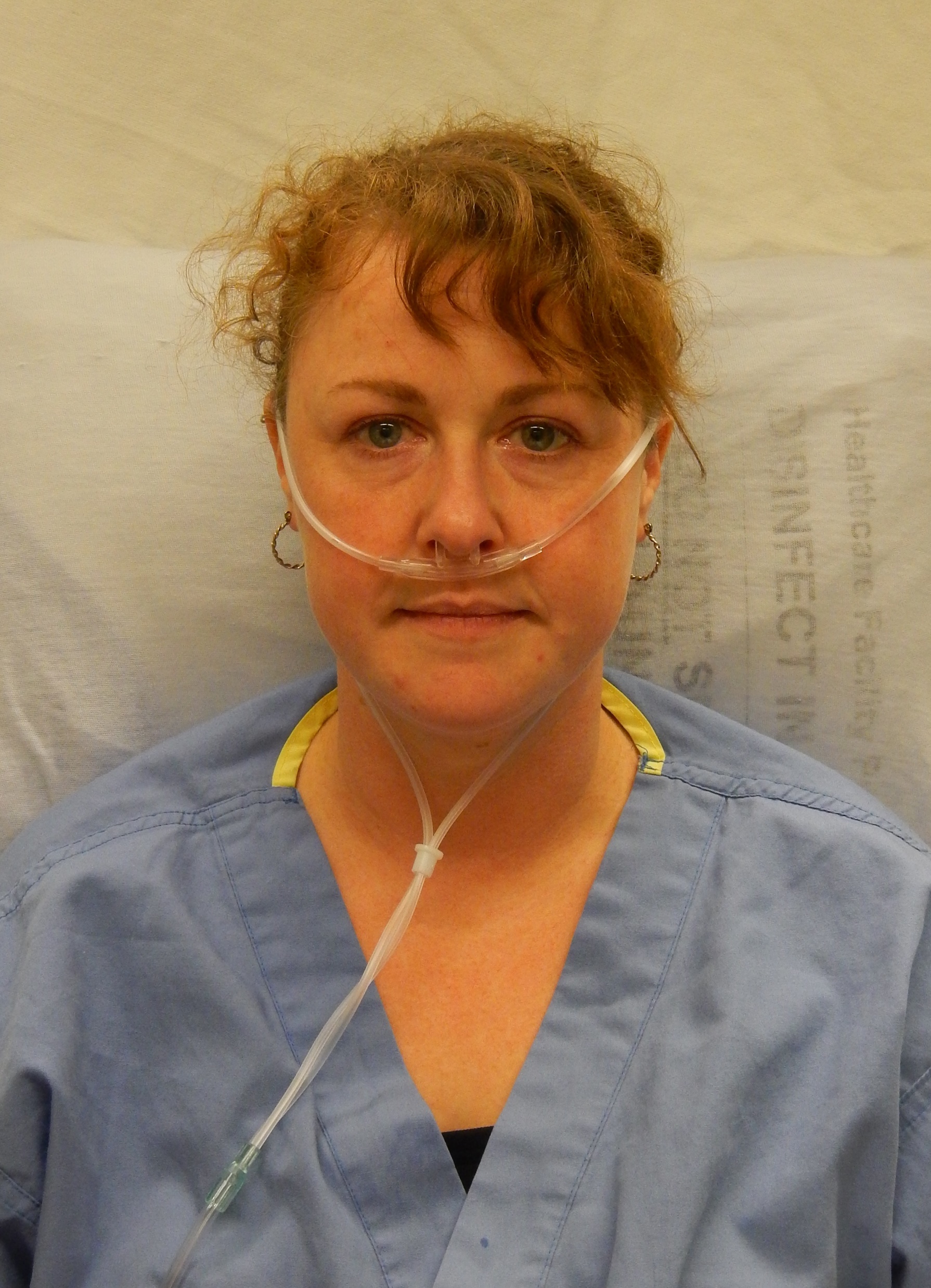
- Oxygen is commonly delivered to the patient through nasal cannula
- Nasal cannula can provide oxygen at low flow rates from 1-6 liters per minute, and capable of delivering oxygen concentration of 24-40%
- Oxygen is commonly delivered to the patient through simple face mask
- Simple face mask can provide oxygen at 5- 10 liters per minute, and capable of delivering oxygen concentration of 35-55%
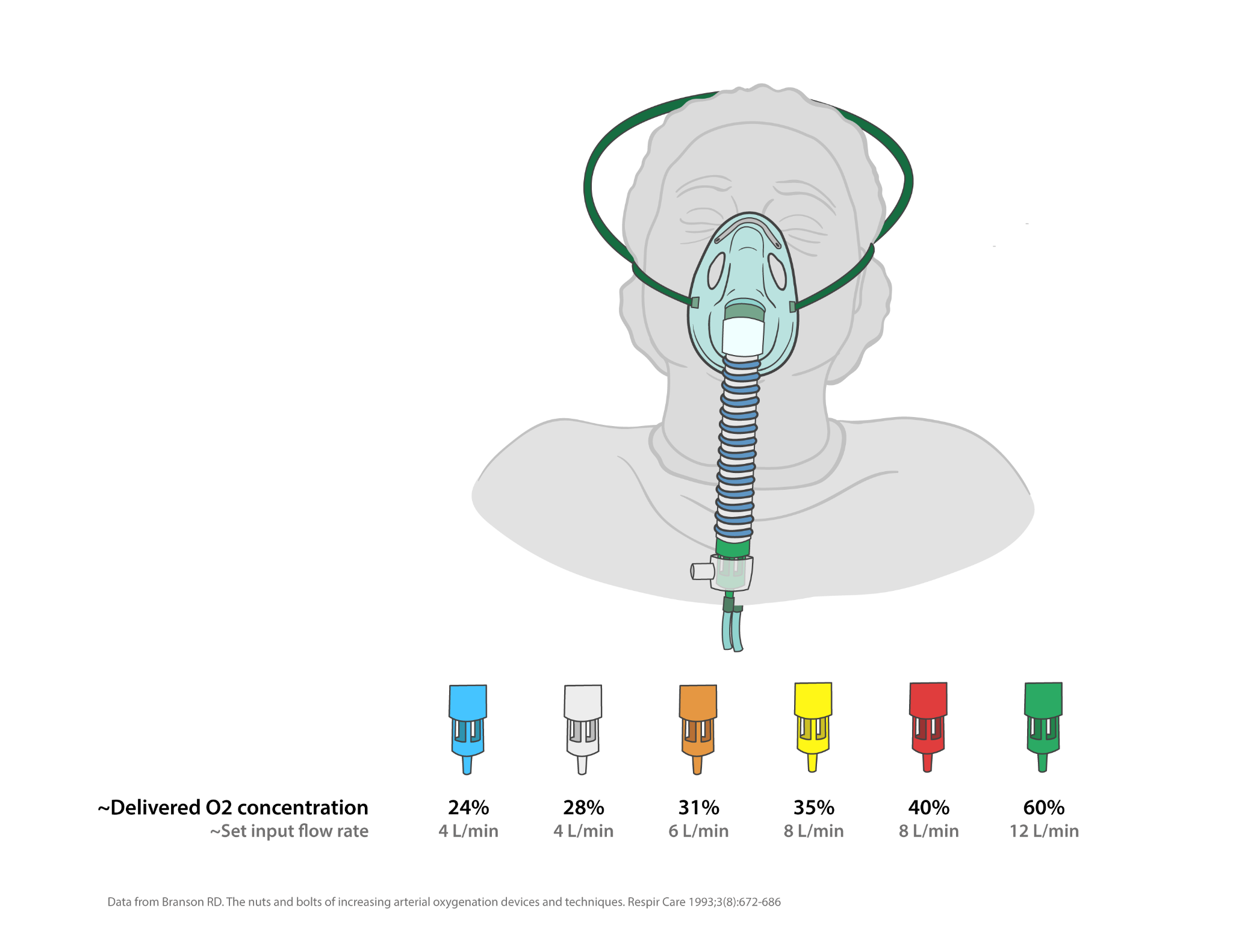
- Oxygen also can be delivered through venturi mask
- Venturi mask can accurately deliver a predetermined oxygen concentration of 24-50%
- Oxygen also can be delivered through a partial rebreather mask which based on a simple mask but with a reservoir bag
- Partial rebreather mask can provide oxygen at 5- 15 liters per minute, and capable of delivering oxygen concentration of 40-70%
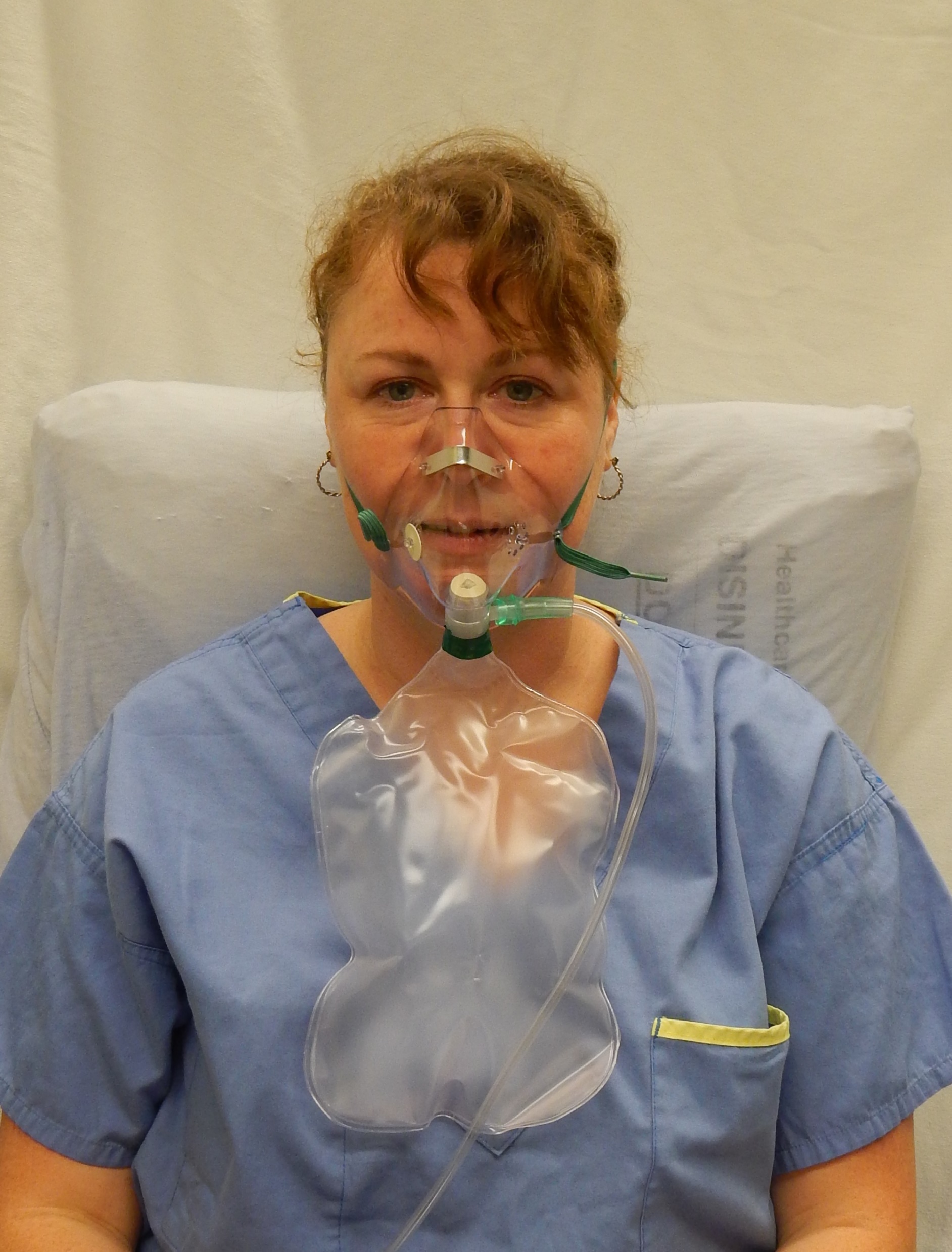
- Oxygen also can be delivered through a non rebreather mask (reservoir mask) which draws oxygen from attached reservoir bag with on way valves that direct exhaled air out of the mask
- Partial rebreather mask can provide oxygen at > 10 liters per minute, and capable of delivering oxygen concentration of 60-80%
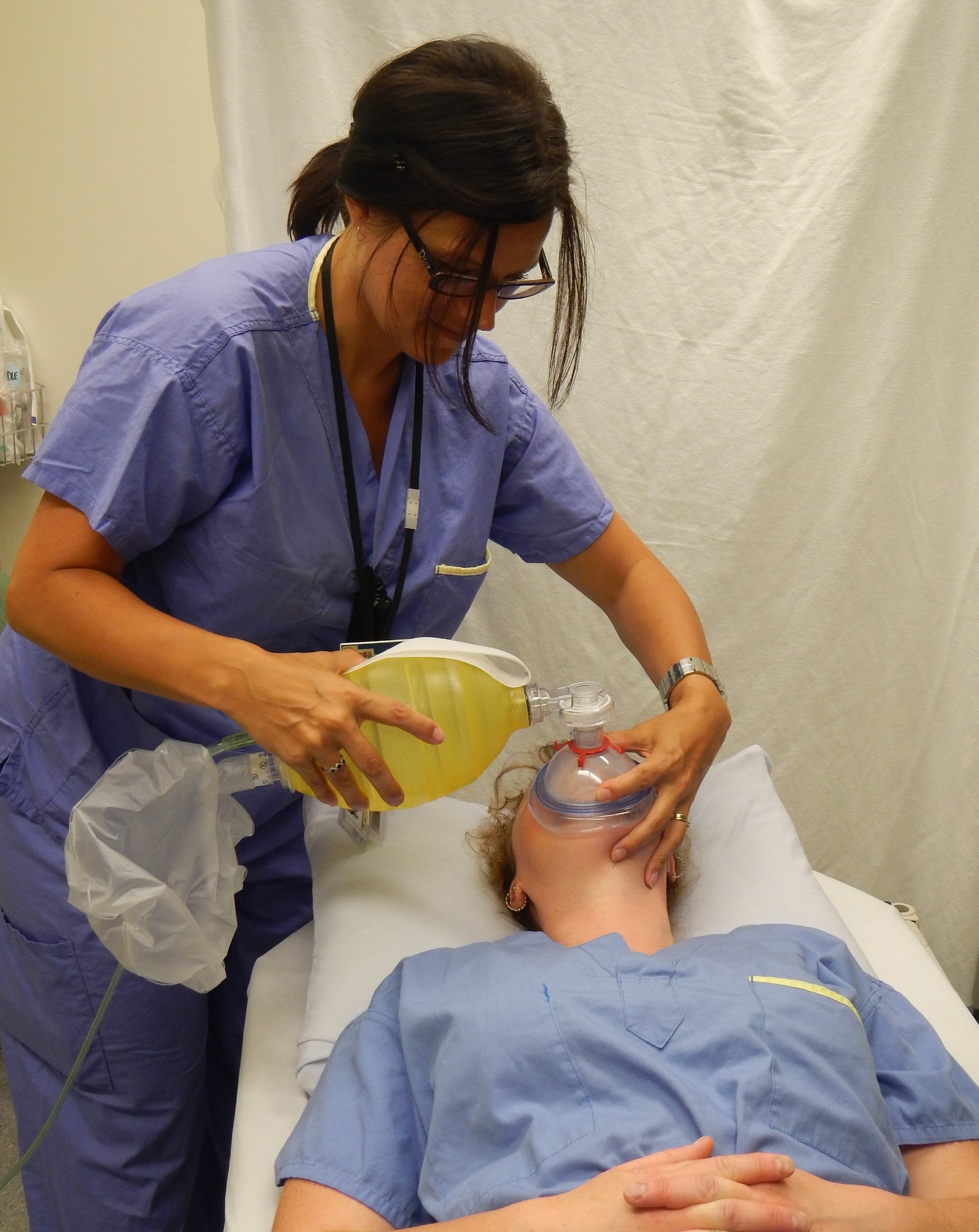
- Oxygen also can be delivered through the bag valve mask, endotracheal tube, laryngeal mask airway, it can be given through bypassing the airway in ECMO (extracorporeal membrane oxygenation) therapy
Indications of oxygen therapy
- Acute hypoxic conditions: acute MI, acute pulmonary edema, carbon monoxide poisoning, cardiac and respiratory arrest, major trauma, anaphylaxis, major bleeding, shock, active convulsions, hypothermia, metabolic acidosis ( bicarbonate < 18 mmol/l) and decompression sickness
- Chronic hypoxic conditions (long-term oxygen therapy): COPD, cystic fibrosis, chronic bronchitis, emphysema and heart failure
- It is also used in treatment of cluster headache and in induction of anesthesia
- British medical journal recommends that oxygen therapy is stopped for saturations > 96%; and it should not be started for saturations > 90% (there is association between excessive oxygenation and mortality)
- Exceptions for this rule is carbon monoxide poisoning, cluster headaches, sickle cell crisis and pneumothorax
- In cases of carbon monoxide toxicity or cardiac arrest, saturations should be as high as possible
Oxygen therapy monitoring
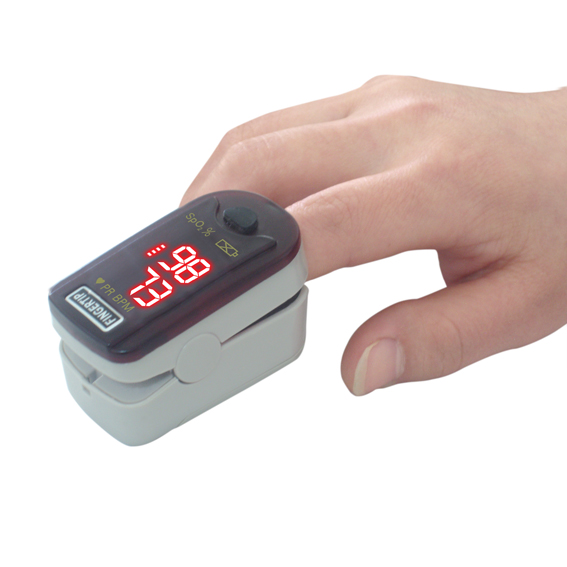
- Pulse oximetry or ABG analysis is what is used for monitory of oxygen therapy
- Oxygen should be titrated to a target level based on pulse oximetry of 94-96% in most patients or 88-92% in patients with COPD to avoid CO2 retention
Arterial blood gas normal values and interpretation
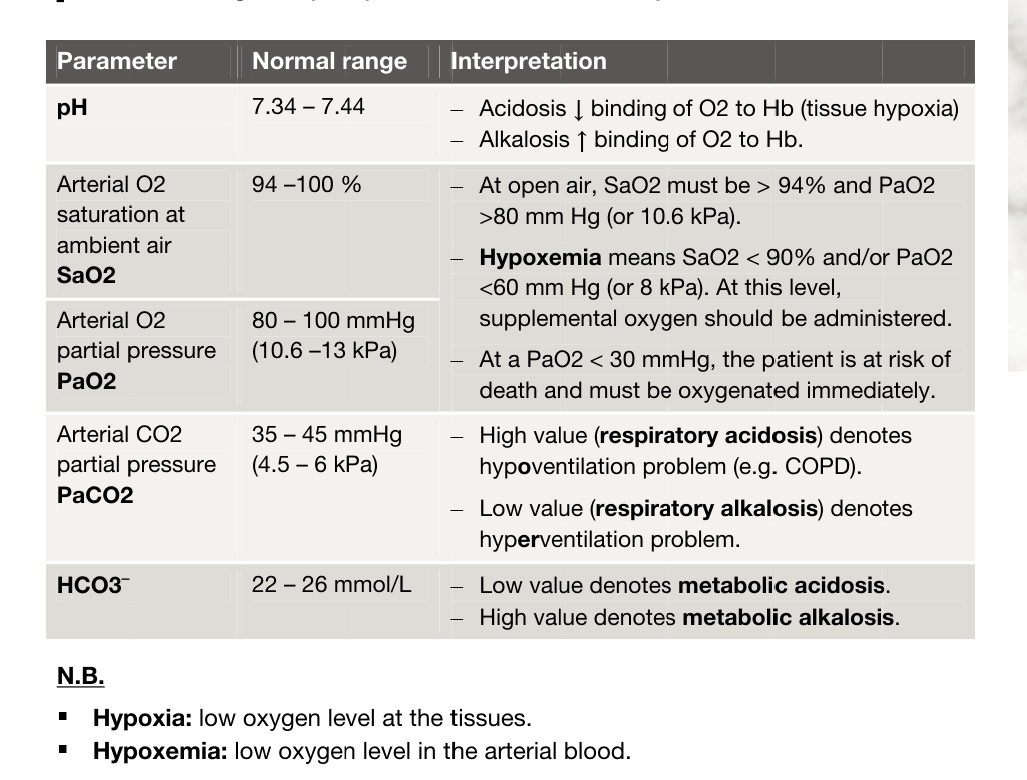
Arterial Blood Gas (ABG) Analysis
| Parameter | Normal range |
|---|---|
| pH | 7.35- 7.45 |
| Arterial O2 saturation (SaO2) | 94-100% |
| Arterial O2 partial pressure (PaO2) | 80- 100 mmHg 10.6- 13 kPa |
| Arterial CO2 partial pressure (PaCO2) | 35- 45 mmHg 4.5-6 kPa |
| HCO3 | 22-26 mmol/L |
Important notes
- Hypoxia means low oxygen level at the tissues while hypoxemia means low oxygen level in the arterial blood
- Dyspnea does not necessarily indicate hypoxemia. Severe hypoxemia can be present without dyspnea and vice versa
Oxygen therapy adverse effects
- Oxygen should not be used routinely unless there is evidence of hypoxia because when used in excessively high concentrations, it can result in oxygen toxicity (lung damage, CNS damage and eyes damage) leading to respiratory failure and death
- Oxygen can also dry out the airways if used without humidification leading to Irritation of nose, pharynx and trachea => mucus hypersecretion
- In infants with respiratory failure, administration of high levels of oxygen may promote overgrowth of new blood vessels in the retina of the eye leading to blindness; this condition is known as retinopathy of prematurity
- Oxygen therapy may also lead to CO2 retention; in those at risk (COPD patients), saturations of 88-92% are preferred
CO2 retention
In patients with COPD who receive supplementary O2, CO2 retention can occur through 2 mechanisms:
- Increase O2 saturation of blood reduces deoxygenated Hb which carries CO2 in blood (in the forms of bicarbonate) => higher CO2 levels => more retention
- In patients with COPD, hypoxia is the main drive of respiration, so If 100% O2 was administered, hypoxia is corrected and the hypoxic drive is lost leading to CO2 retention
- Co2 retention can lead to headache, drowsiness (narcosis) or death
- in people with COPD, CO2 toxicity can be prevented by maintaining oxygen saturation between 88-92%
Hazards and risks
- Oxygen itself is not flammable but the addition of concentrated oxygen to a fire greatly increases its intensity; and concentrated oxygen can aid the combustion of material that are relatively inert under normal conditions
Continue learning
Practice the topics covered in this lecture.