
Orthopedics
Bone Fracture Mechanisms: Traumatic Forces Types, Stress Fractures & Pathological Fractures
Source presentation · 2 min read
Edits save on this browser. Download a copy for your records.
Fracture mechanisms
- Fractures that are caused by traumatic forces
- Fractures caused due to stress (repetitive injury)
- Fractures caused because of certain pathology in the fractured bone
Traumatic forces types
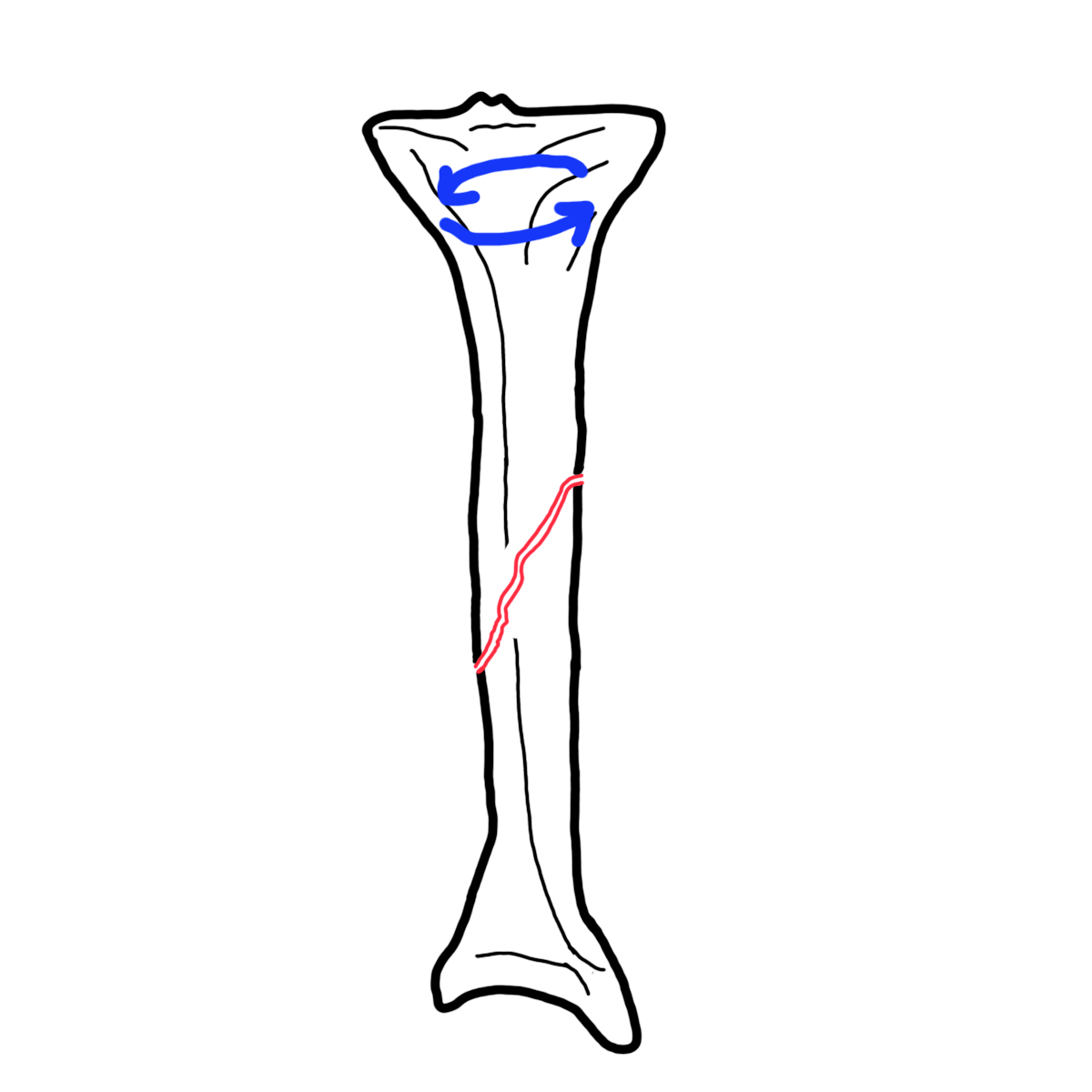
- Rotational force => Spiral fracture (long oblique fracture)
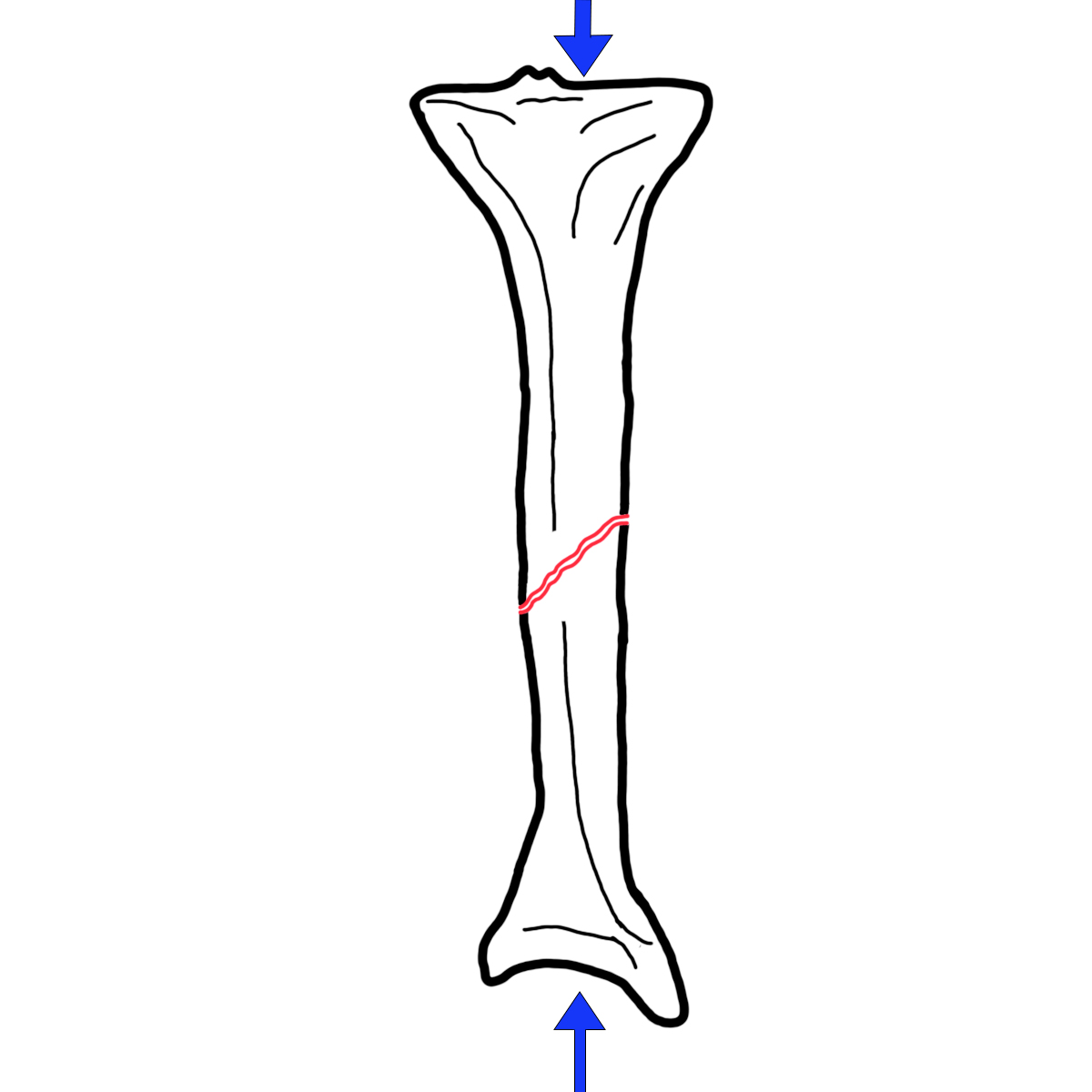
- Compressing force on long axis of the bone => short oblique fracture
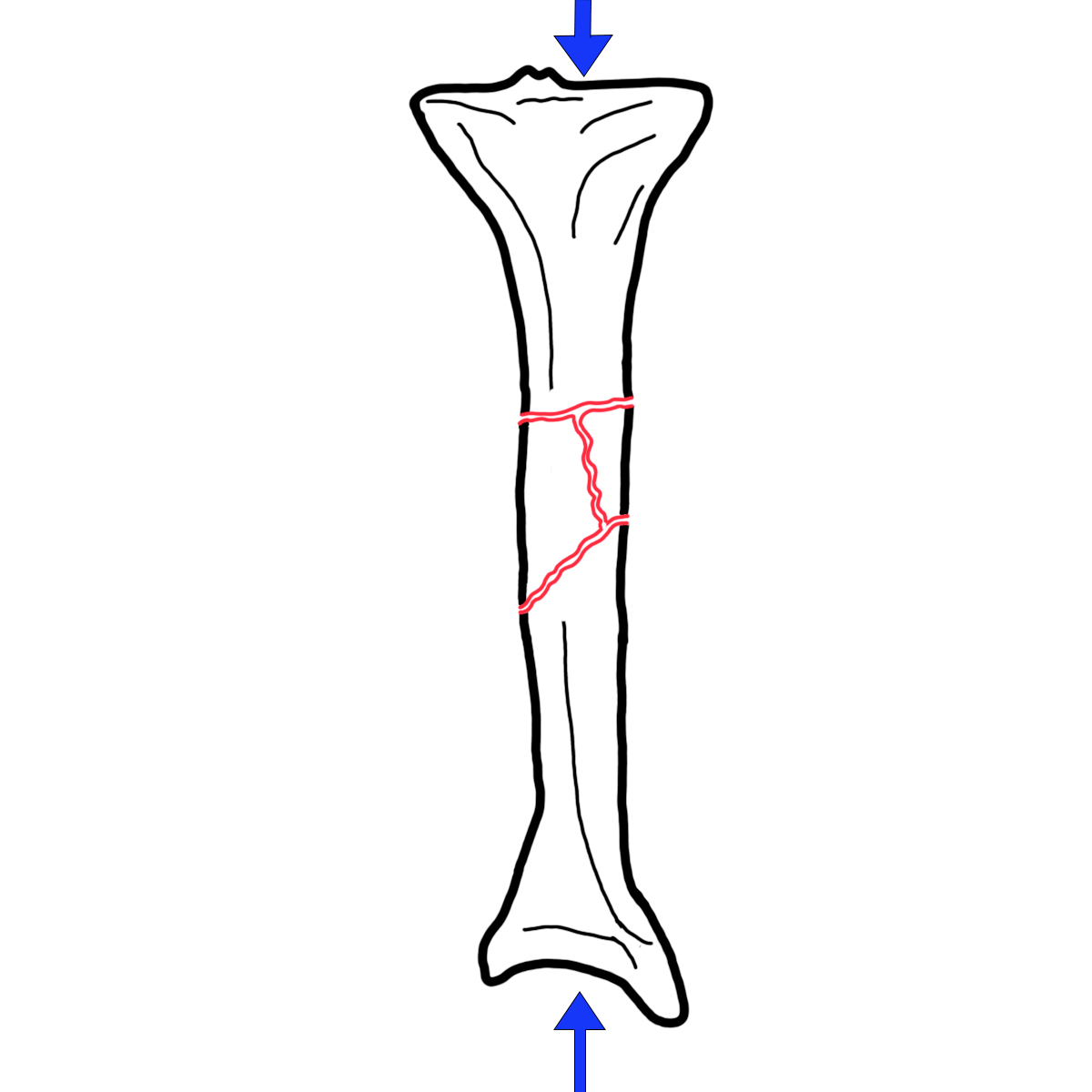
- Crushing force on long axis of the bone => comminuted fracture (multiple fragments)
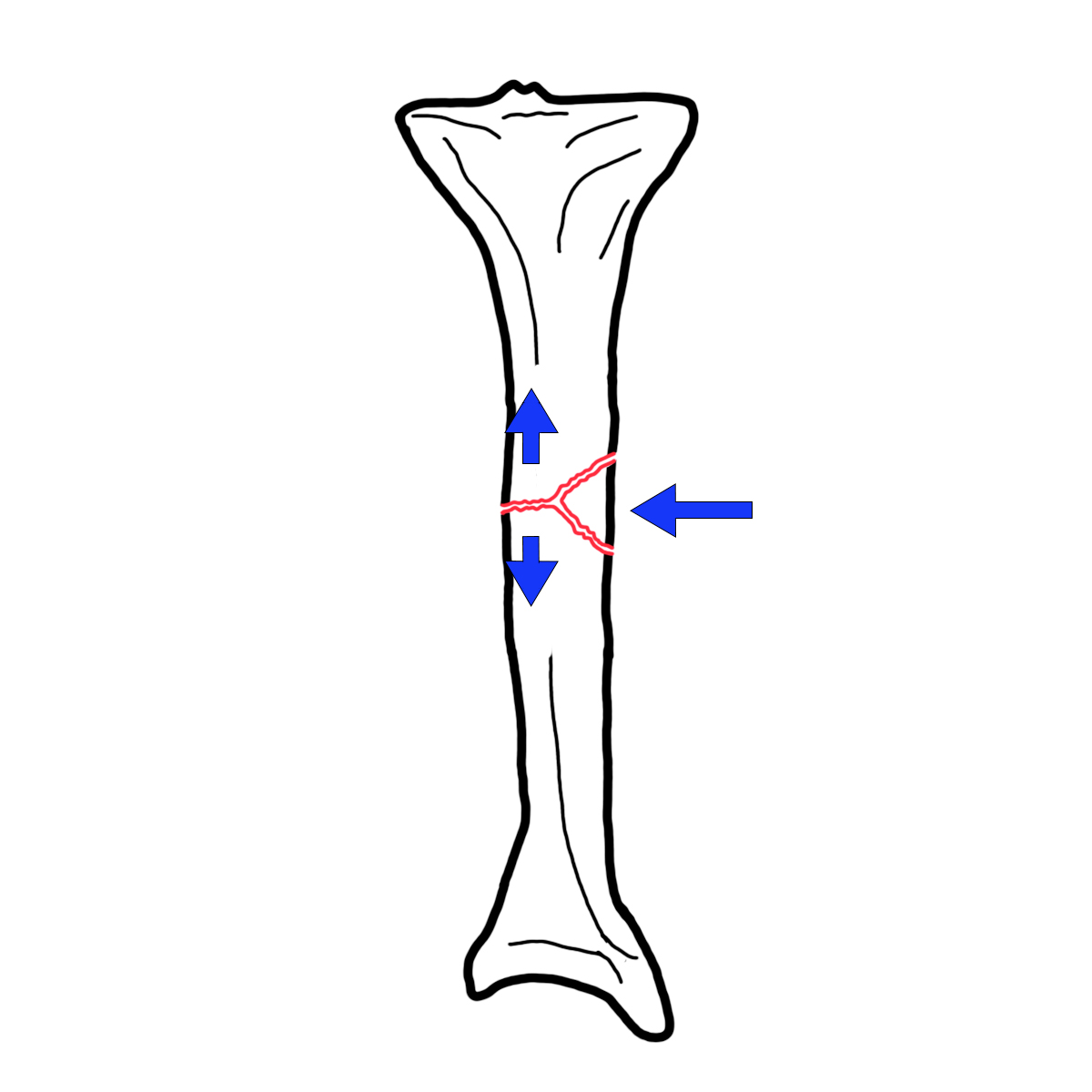
- Bending force on the horizontal axis of the bone => fracture with a butterfly fragment or oblique fracture
- Bone fragment looks like butterfly wing
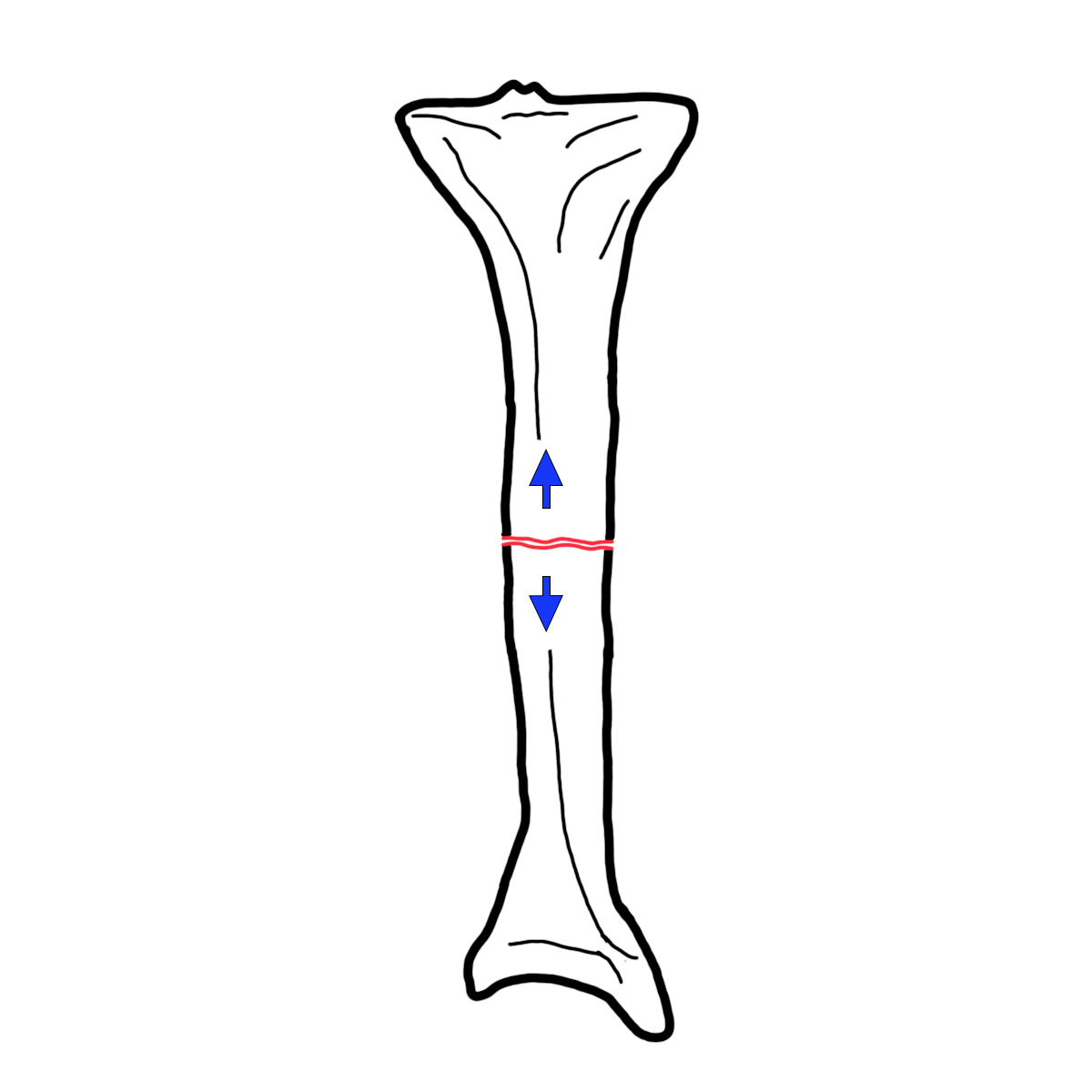
- Tension type of force => transverse fracture or avulse a small fragment of the bone at the point of ligament or tendon insertion.
Stress fractures
- Stress fracture is a small break in the bone that occur from repetitive injury or prolonged stress applied to the bone
- Occur in weight bearing bones: tibia, fibula, femur
- Mechanism: repetitive stress lead to bone resorption by osteoclasts happen faster than bone formation mediated by osteoblasts
- Occur in people that do heavy exercise such as runners, dancers, gymnasts.
- Also occur in nutritional deficiencies of calcium and vitamin D in elderly people
Pathological fractures
- Fractures that occur due to pathology in the fractured bone
- Pathologies include: osteoporosis, osteogenesis imperfecta, bisphosphonate therapy, lytic bone lesions in metastasis or multiple myeloma
Continue learning
Practice the topics covered in this lecture.