
Clinical medicine
Wound Healing by Primary and Secondary Intention
Source presentation · 2 min read
Edits save on this browser. Download a copy for your records.
Wound Healing by Primary and Secondary Intention
- Primary Healing
- Secondary Healing
- vs
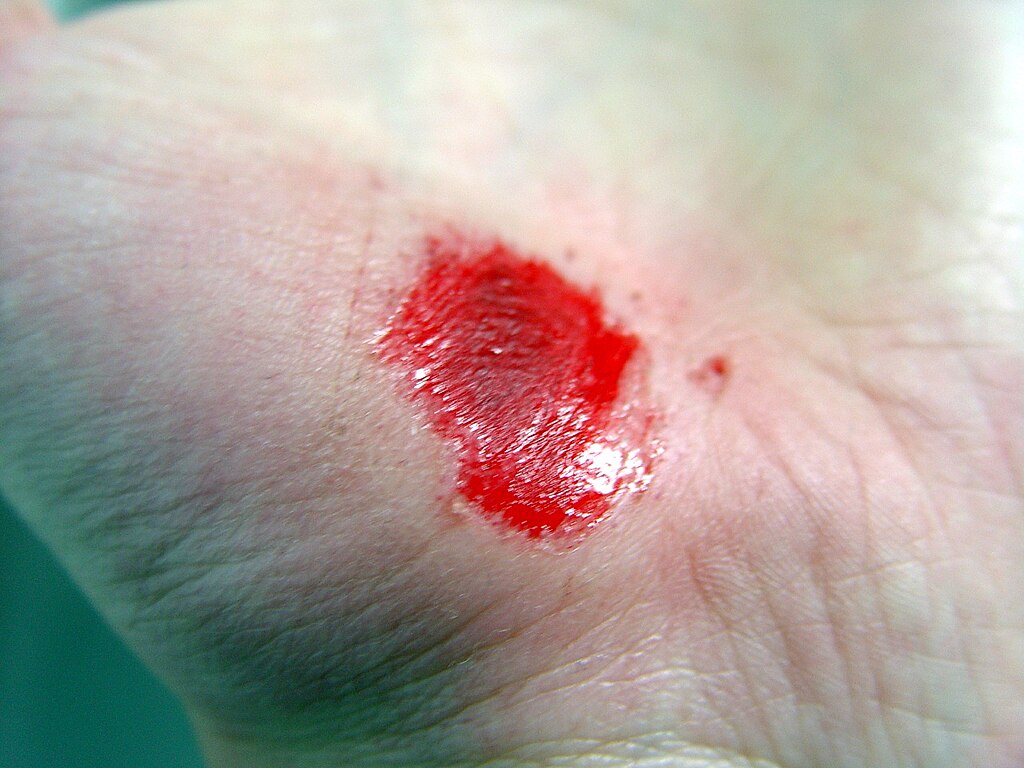
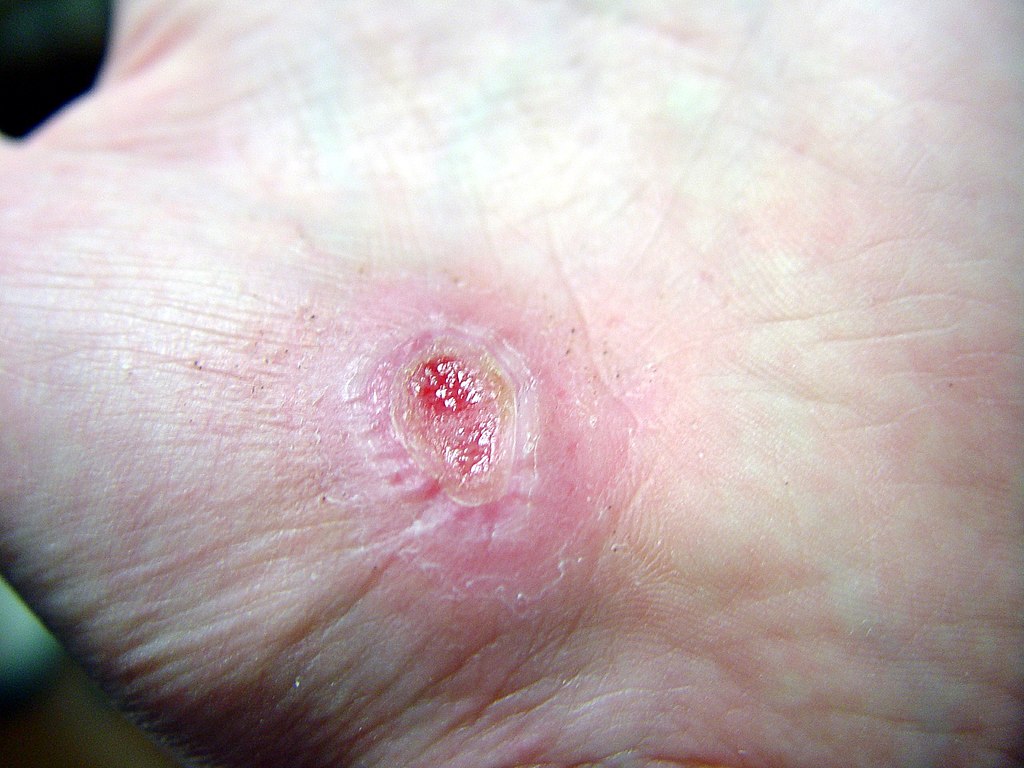
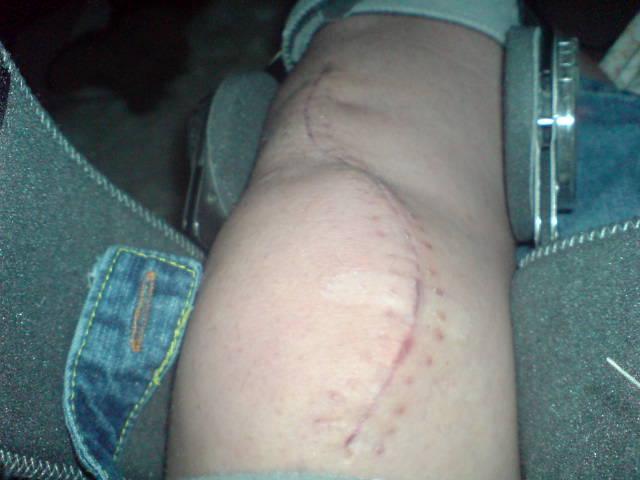
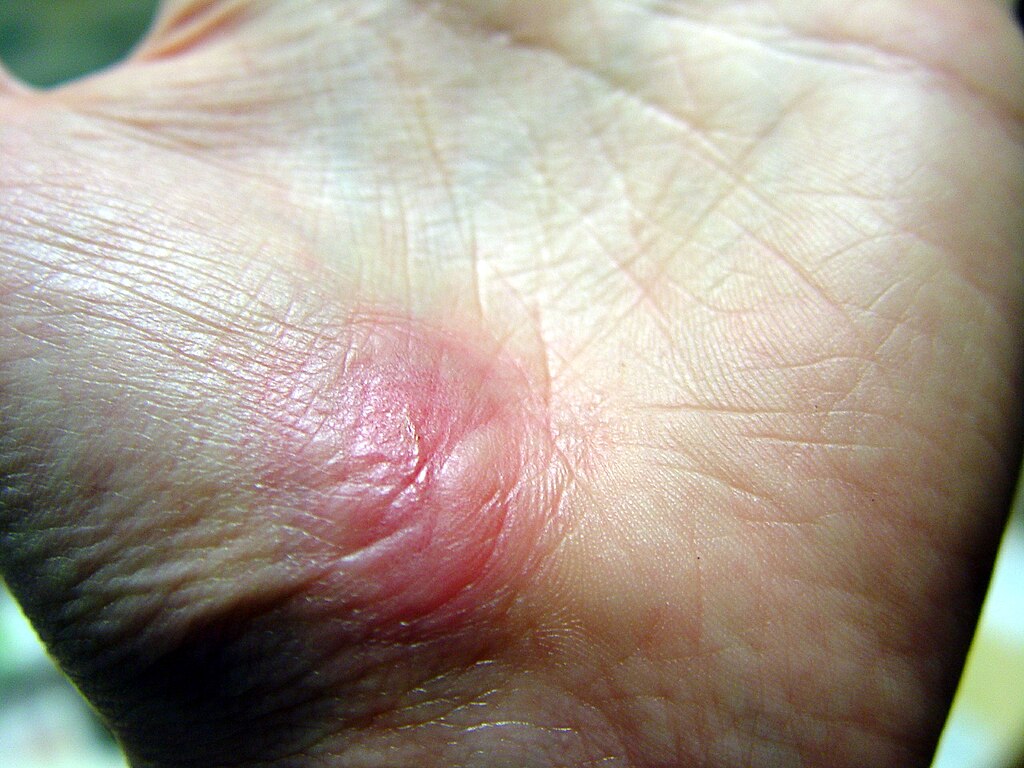
Primary wound healing
- Also called healing by primary intention
- The wound edges are brought together closely and held in place using sutures
- This method used for clean wounds and wounds with minimal tissue loss
- Wound looks good with minimal scar formed in this method
- Take about 10 days to heal depending on the body part affected
- Examples are surgical wounds
Secondary healing
- Also called healing by secondary intension
- Used for large wounds (cannot be sutured), wounds with a lot of tissue loss, contaminated wounds
- Wound left open without surgical closure, granulation tissue (consists of blood vessels and connective tissue) forms and fill up the wound with time and fibrous tissue forms finally
- Extensive scarring and ugly wound
- Takes weeks to heal
- Examples are injuries with a lot of contamination, injuries with a lot of tissue loss
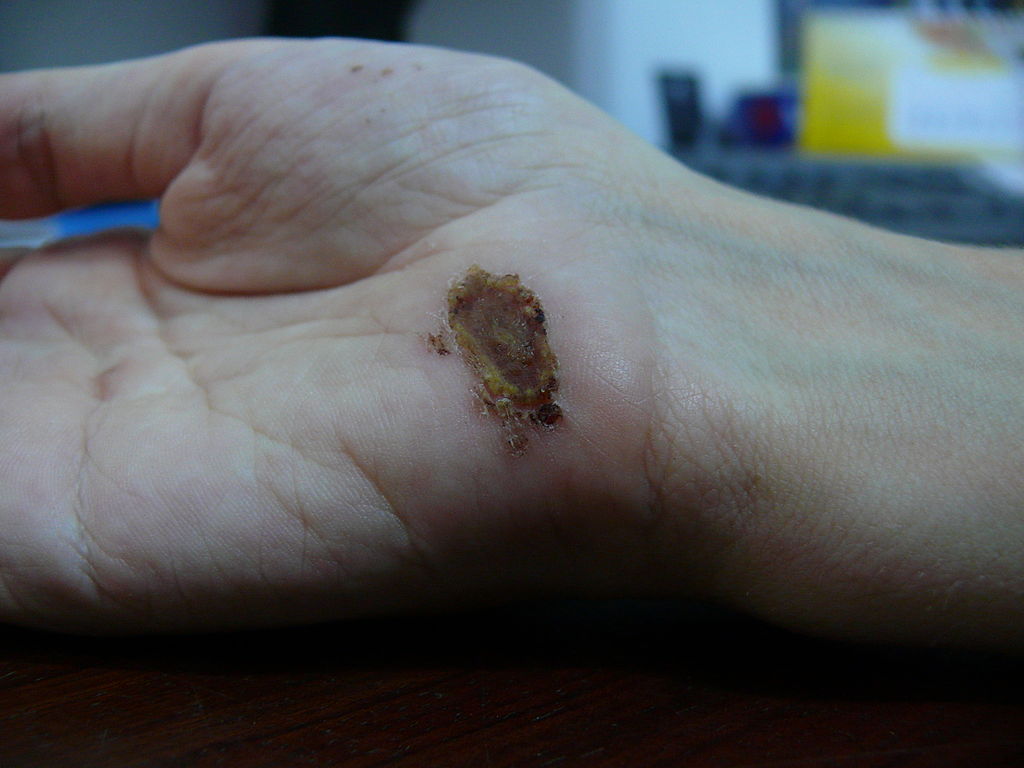
Delayed primary closure
- This method is done for contaminated wounds and wound with excessive tissue lost to heal by the primary healing method
- You clean and debride the wound and you wait two days and then re debridement and cleaning again of the wound and primary tissue closure is done or skin grafting if there is a lot of tissue lost
| Primary healing | Secondary healing |
|---|---|
| Small, clean wound with minimal tissue loss | Larger, irregular edges, significant tissue loss |
| Minimal contamination | Contaminated or infected |
| Heals in few weeks | Heals in weeks to months |
| Minimal granulation tissue | Granulation tissue fills the wound from bottom up |
| Minimal scarring, thin scar | More noticeable, raised thick scar |
Continue learning
Practice the topics covered in this lecture.